
Stock Sanat Specialized Magazine


Choosing the wrong coating can cost a vessel years of service. That is why marine paint types matter: each one is built for a different part of the hull.
This guide maps the main marine paint types to the underwater hull, boot-top, topsides and decks. It is written for shipyards, boat builders, contractors and industrial buyers.
Table of Contents
Marine Paint Types at a Glance
No single paint protects a whole vessel. Marine paint types work as a system, and each family has one main task. The table below gives a quick overview.
| Paint family | Typical use | Main job | Bajak product |
|---|---|---|---|
| Zinc-rich primer | Blasted steel, all zones | Corrosion protection | Bajak 65% Zinc-Rich Epoxy |
| Epoxy build coat | Hull, tanks, decks | Thick barrier against water and salts | Bajak Epoxy Polyamide Coating |
| Coal tar epoxy | Immersed steel | Heavy-duty water resistance | Bajak Coal Tar Epoxy |
| Antifouling | Underwater hull | Fouling control | Bajak Antifouling Paint |
| Alkyd and acrylic topcoats | Above the waterline | Colour and weather resistance | Bajak Alkyd Topcoat / Bajak Acrylic Topcoat |
You can browse the full range in our marine paint category. Read on to see where each family fits.
What Is Marine Paint Made Of?
To compare types of marine paint, it helps to know what is marine paint made of. Every coating has four basic parts.
- Binder (resin): forms the dry film and sticks it to the steel. Epoxy, polyurethane, acrylic and alkyd are examples.
- Pigments: give colour and hiding power. Some, such as zinc dust, also protect the metal.
- Solvents or thinners: keep the paint fluid so it can be applied, then leave the film as it dries or cures.
- Additives: adjust flow, drying, UV stability and other properties.
The binder decides most of the behaviour. That is why marine paint types are usually named after their resin, such as epoxy or polyurethane.
Marine Paint Types by Hull Zone
A ship sees four very different environments. Each zone needs its own finishing layer.
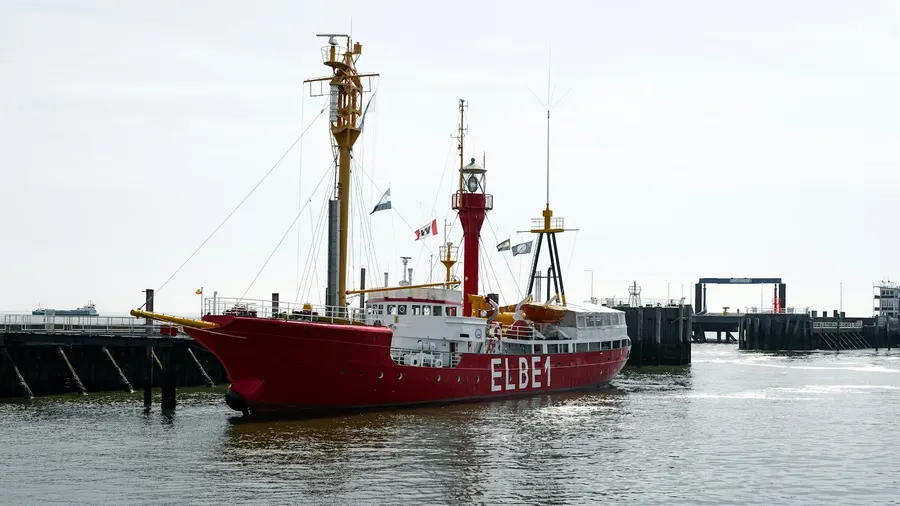
Underwater hull
The underwater hull stays wet all the time. It needs a corrosion-protective primer, epoxy build coats and an antifouling on top. Antifouling keeps barnacles, algae and slime from settling. See our guide to antifouling paint for details.
Boot-top and waterline
The boot-top is wet, then dry, again and again. It also suffers abrasion from fenders, tugs and quays. A tough epoxy system with a resistant finish is the common approach.
Topsides
The topsides face sun, spray and weather. Colour and gloss retention matter here, so a weather-resistant topcoat goes over the epoxy. Polyurethane, acrylic and alkyd finishes are the usual choices.
Decks and superstructure
Decks take foot traffic, equipment loads and sunlight. They are normally coated with epoxy and a durable topcoat. Walkways often get a non-slip finish, which we cover in the finish section below.
Types of Marine Paint by Chemistry
Now look at the types of marine paint by resin family. Most vessels use several of them together.
Zinc-rich primers
A zinc-rich primer is the first coat on blasted steel. The zinc gives sacrificial protection if the film is scratched. Learn more in our article on zinc-rich primer for marine steel. A product such as Bajak 65% Zinc-Rich Epoxy is made for this role.
Epoxy coatings
Epoxy is the workhorse of marine paint types. Two-pack epoxy builds a thick, hard barrier against water and salts. It is used on hulls, tanks and decks. See marine epoxy paint for steel and Bajak Epoxy Polyamide Coating.
Coal tar epoxy
Coal tar epoxy is a dark, heavy-duty coating for steel that stays immersed. It is common on piles, ballast areas and similar structures. Read more about coal tar epoxy for immersed steel, or view Bajak Coal Tar Epoxy.
Antifouling paints
Among marine paint types, antifouling is the only one designed to fight marine growth. It is applied below the waterline over the epoxy system. Rules on biocides differ by region, so check the local requirements and the data sheet. See also this overview of anti-fouling paint. For a Bajak option, see Bajak Antifouling Paint.
Polyurethane, acrylic and alkyd topcoats
Topcoats protect the system from sunlight and weather and set the final colour. Polyurethane is known for good gloss and colour retention. Acrylic and alkyd finishes suit lighter duty above the waterline, such as Bajak Acrylic Topcoat and Bajak Alkyd Topcoat.

A topcoat only looks good if the layers under it are sound. Choose the full system first, then the finish.
Marine paint range
Find the right type of marine paint for your vessel.
Explore Bajak marine paints by type, or tell us your vessel and area of use and we will guide you to the right product.
Marine Paint Finish: Gloss, Semi-Gloss and Non-Slip
The marine paint finish is the last visible layer. It affects looks, cleaning and wear.
| Finish | Where it is used | Note |
|---|---|---|
| High gloss | Topsides, superstructure | Good colour and easy to clean |
| Semi-gloss or satin | Interior and deck-house areas | Hides small surface marks better |
| Matt or flat | Areas where glare matters | Less common on exposed steel |
| Non-slip | Walkways, decks, ladders | Adds grip for crew safety |
Check the data sheet for the gloss level available in each product. A different marine paint finish does not change the primer and build coats below it.
Boat Paint Types vs Ship Paint Types
Boat paint types follow the same logic as ship coatings: primer, barrier coat, antifouling and topcoat. The difference is scale and conditions.
- Ships: larger areas, longer docking cycles, heavier abrasion and strict specifications.
- Boats: smaller hulls, often brush or roller application, and different hull materials.
- Both: need a compatible system and good surface preparation.
For a step-by-step process, see our guide on how to paint a ship hull. To understand how regular products differ, read marine paint vs regular paint.
Compatibility and Overcoating Between Layers
Even the right marine paint types fail if the layers do not bond. Compatibility and timing are the two things to control.
Keep the system from one manufacturer
Primer, build coat, antifouling and topcoat are developed to work together. A different brand in the middle of the system can cause poor adhesion, blistering or peeling. Ask the supplier to confirm the full system in writing.
Respect the overcoat window
Each product has a minimum and a maximum time before the next coat. Apply too early and solvent is trapped. Apply too late and the hard film may need abrading first. Temperature changes these intervals, so check them for the conditions on the day.
- Measure steel temperature and dew point before each coat.
- Keep the surface clean, dry and free of salts between coats.
- Record batch numbers and film thickness by zone.
This discipline matters as much as the choice among marine paint types. A well-chosen system that is badly applied will not last the docking cycle.
How to Choose Among Marine Paint Types
Use this short checklist before you order.
- Identify the zone: underwater, boot-top, topsides or deck.
- Check the substrate and its surface preparation.
- Select one compatible system from a single manufacturer.
- Match the topcoat finish to the conditions.
- Read the data sheet for thickness and overcoat intervals.
- Confirm the specification, class or marine paint standards that apply.
Our guide to the marine coating system shows how the layers fit together.
Common Mistakes When Picking Marine Paint Types
- Choosing a topcoat first and the primer later.
- Mixing unrelated brands in one system.
- Using the same paint above and below the waterline.
- Ignoring overcoat intervals on the data sheet.
- Skipping surface preparation.
Most of these errors are easy to avoid with a written system plan.
Frequently Asked Questions
What are the main marine paint types?
The main marine paint types are primers (often zinc-rich), epoxy build coats, coal tar epoxy for immersed steel, antifouling paints for the underwater hull, and topcoats such as polyurethane, acrylic or alkyd. Each family has a different job, so a hull normally receives several of them in one system.
What is marine paint made of?
Marine paint is made of a binder (the resin that forms the film), pigments for colour and protection, solvents or thinners that make it workable, and additives. The binder, such as epoxy or polyurethane, largely decides how the coating resists water, abrasion and sunlight.
Which paint is used on a ship hull below the waterline?
Below the waterline a hull normally has a corrosion-protective primer, epoxy build coats and an antifouling paint on top. In some immersed areas coal tar epoxy is also used. The exact system depends on the vessel, its trading area and the docking cycle in the owner’s specification.
What paint is used on ship decks?
Decks need coatings that resist wear, impact, chemicals and sunlight. A typical system uses an epoxy primer and build coat with a hard-wearing topcoat. Walkways often get a non-slip finish. Always check the data sheet and the vessel specification before choosing.
What are the main boat paint types for small craft?
Boat paint types for small craft follow the same logic as for ships: a primer, a build or barrier coat, antifouling below the waterline and a topcoat above it. The right system also depends on the hull material, whether steel, aluminium, fibreglass or wood.
Can I use regular paint on a ship?
Regular paint is not designed for constant water contact, salt, abrasion and strong UV light, so it usually fails early on a vessel. Marine coatings are formulated for these conditions and tested for them. Use a marine system from one manufacturer instead of mixing unrelated products.
Conclusion: Match the Paint to the Zone
Marine paint types are not interchangeable. Pick a primer, an epoxy system, an antifouling and a topcoat that belong together, and match them to each hull zone.
Need help choosing? Request data sheets for Bajak 65% Zinc-Rich Epoxy and Bajak Epoxy Polyamide Coating, or contact the Stock Sanaat team with your vessel details. We will help you match the right system.
Recent Posts