
Stock Sanat Specialized Magazine

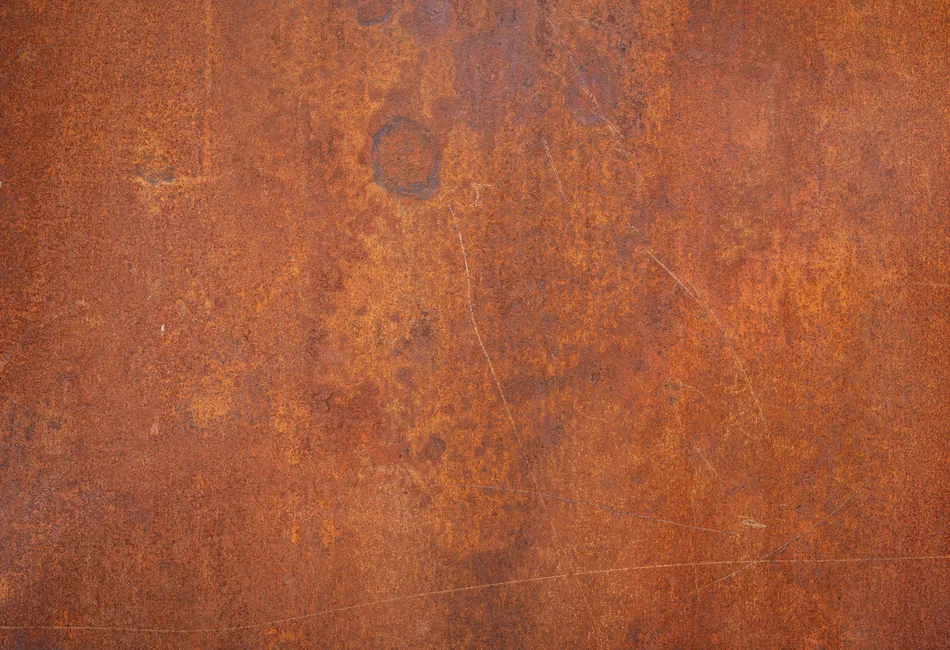
You hydroblasted the hull and the steel looked clean. A few hours later it is covered in orange haze. Now the dock master asks: can we coat it, or must we blast again?
This guide explains flash rust after hydroblasting: why it forms, how it is graded as light, moderate or heavy, and when painting over it is acceptable. It is written for shipowners, superintendents and dry-dock contractors who plan the coating window.
Table of Contents
What Is Flash Rust After Hydroblasting?
Flash rust after hydroblasting is a thin layer of fresh rust that appears on bare steel soon after water jetting. It forms because the steel is clean, active and wet. Nothing protects it yet.
Flash rust after hydroblasting is not the same as the old, deep rust you just removed. It is new, shallow and often yellow-brown to orange. On ship steel it can show up on a hull side, a tank top or a deck within hours. It is also called rust bloom or rust-back.
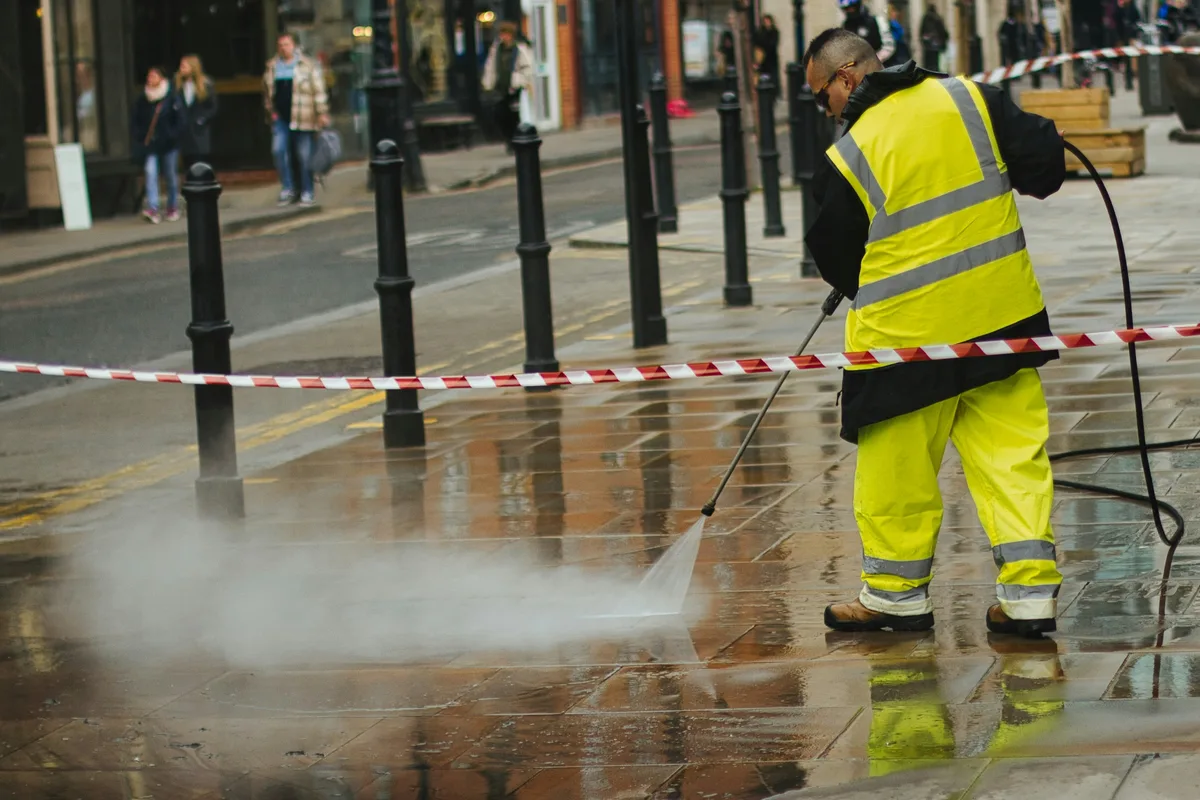
Hydroblasting is popular in dry docks because it removes soluble salts better than dry blasting and creates no abrasive waste. The price is that you must manage the wet surface. For the wider picture, read our guide on marine paint surface preparation.
Why Flash Rust After Hydroblasting Forms on Ship Steel
Three things drive flash rust after hydroblasting on ship steel. Knowing them helps you control it.
- Water on bare steel. Clean steel and moisture start corroding quickly. A wet or damp surface is all the rust needs.
- Soluble salts. Chlorides left in pits and on the surface attract moisture and speed up rust. Seawater-contaminated steel is the worst case.
- Humid air and the dew point. If the steel is cold and the air is humid, moisture condenses on it, even when the surface looks dry.
That last point is why weather matters on a dock. Our guide to dew point in marine painting explains how to check steel temperature before you coat.
Wind, sun and shelter also change the result. A hull in a closed dock behaves differently from a deck in open air. Plan the sequence of work around the conditions on the day, not around the calendar.
Flash Rust Grades: Light, Moderate and Heavy
Standards group flash rust after hydroblasting into three grades. The names are the same in most documents, but always use the exact wording of the standard in your contract.
| Grade | What you see | Typical decision |
|---|---|---|
| Light | Thin yellow-brown haze. The steel is still visible through it. A cloth wipe leaves only a light mark. | Often acceptable for suitable coatings, if the paint data sheet agrees. |
| Moderate | A tan to red-brown layer hides the steel. It is fairly adherent. A cloth wipe leaves clear marks. | Often limited to tolerant coatings or removed. Check the data sheet. |
| Heavy | A thick red-brown layer fully hides the steel. It is loose and leaves heavy marks on a cloth. | Remove it before coating. |
The decision column is general guidance, not a rule. The coating maker, the owner specification and the class society make the final call.
Two documents matter most. The SSPC-SP 12 / NACE No. 5 family and the related NACE WJ cleanliness levels define water-jetting cleanliness and flash rust. ISO 8501-4 covers surfaces prepared by high-pressure water jetting, including flash rust grades. For an overview, see the AMPP page on waterjet and wet abrasive blast cleaning methods.
Use the printed standard or its reference photographs for grading. Do not grade by memory. A different inspector on a different day can see a different grade.
How to check the grade
- Look at the whole area in good light and compare it with the reference photographs.
- Wipe a small area with a clean, dry cloth and note how much rust comes off.
- Record the grade, the location and the time in the inspection log.
- Repeat after any rain, condensation or long wait.
Can You Paint Over Flash Rust After Hydroblasting?
The short answer: sometimes. Whether you can paint over flash rust after hydroblasting depends on the grade, the coating and the specification.
- Light flash rust after hydroblasting: many owner specifications and many coatings allow it. Confirm in writing.
- Moderate flash rust: usually allowed only for products that state they tolerate it, and only if the specification agrees.
- Heavy flash rust: do not coat. It is loose and will not hold paint. Remove it by wiping, brushing or re-jetting, as the specification says.
The paint data sheet is the deciding document. The technical data sheet (TDS) states the surface condition the maker accepts. If the sheet is silent, ask the paint maker before you coat. Do not rely on what worked on another ship.
We cannot give you a single time or film figure that suits every product. Read the numbers from the final data sheet of the system you will use. If you need the data sheet for a Bajak product, ask us and we will send it with your quote.
Dry-dock coating support
Planning to recoat after hydroblasting?
Send us your vessel, areas and docking date. We will suggest a Bajak epoxy and primer system and send the technical data sheets with your quotation.
How Long After Hydroblasting Can You Paint?
There is no fixed number that works for every job. Flash rust after hydroblasting forms faster when the steel is salty, the air is humid or the surface stays wet. It forms slower on dry, warm, clean steel.
So treat time as a limit to manage, not a target. A good plan looks like this:
- Finish washing and testing the area.
- Let the surface dry fully, using the conditions on the dock.
- Inspect the grade straight before coating.
- Coat as soon as the surface is dry and within the limits of the specification.
Large hulls are blasted in sections for this reason. Work in areas you can coat in the same shift, so the steel does not wait long.
Why Surface-Tolerant Epoxy Mastic Suits Repair Work
In a dry dock, a perfect surface is not always possible. Weather turns, sections are late, and flash rust after hydroblasting appears. In these cases a surface-tolerant coating is often chosen.
An epoxy mastic coating is made to bond to imperfect steel, including lightly rusted and damp-prepared surfaces. Its film is thick and it wets the surface well, so it works for repairs and touch-ups.
But tolerant does not mean careless. Mastic still needs the grade of surface the data sheet describes. It does not replace salt removal or heavy rust removal. For full-blasted steel, a primer system is usually the right choice, such as the zinc-rich primer for marine steel covered in our guide.
Compare options in our epoxy paints and primers ranges. Each product page links its technical data.
Rust Inhibitors and Flash Rust Preventers
Some jobs add a rust inhibitor to the final wash water. The idea is to slow flash rust after hydroblasting while the steel dries. These products are sold as flash rust preventers or inhibitors.
- Use only products that the coating maker approves for use under its paint.
- Check for residues. Some inhibitors leave a film that harms adhesion if they are not compatible.
- Follow the dosing and rinsing instructions of the inhibitor maker.
- Test on a small area and ask the paint maker to confirm the result.
Do not assume that any inhibitor is safe under any paint. If the data sheet does not name it, ask in writing before the dock date.
Hydroblasting vs Abrasive Blasting: Which Gives Less Flash Rust?
Abrasive blasting leaves dry steel with a profile, and it can be coated quickly. Hydroblasting leaves wet steel, usually without the same profile, but it washes out salts well. Flash rust after hydroblasting is the price of that wet surface.
Neither method is better in every case. Choose by the existing coating, the profile the system needs, the dock rules and the schedule. Often the answer is a mix: hydroblast for salt removal and old coating, then blast or tool-clean where a profile is needed.
For the full repair sequence in a yard, see our dry dock coatings checklist and the step-by-step guide to painting a ship hull.
Checklist Before You Coat After Hydroblasting
Use this list before every coating step. It keeps flash rust after hydroblasting from becoming a repair job later.
- Read the data sheet and the owner specification for the accepted surface condition.
- Confirm the surface is free of soluble salts to the limit set in the specification.
- Check the steel temperature against the dew point.
- Grade the flash rust after hydroblasting by the standard and record it.
- Remove any heavy flash rust and loose rust.
- Confirm that any inhibitor used is approved by the paint maker.
- Coat within the time limit allowed in the specification, and keep the surface dry.
Common Mistakes With Flash Rust After Hydroblasting
- Painting over damp steel because the schedule is tight.
- Ignoring soluble salts and focusing only on the colour of the surface.
- Using flash rust grades from memory instead of from the standard.
- Using an inhibitor that was not approved for the coating.
- Blasting too large an area to coat in one go.
- Assuming a tolerant epoxy removes the need for a data sheet check.
Get the Right Coating System for Your Dock Repair
Stock Sanat Caspian is the exclusive Bajak representative since 2020. When you plan a coating window after hydroblasting, tell us your vessel, the areas, the expected surface condition and the docking date. We will propose a suitable epoxy and primer system and send the technical data sheets with your quote.
- Contact us to request a quote for dock repair coatings
- Browse epoxy paints for prepared steel
- See all marine coatings in the shop
We do not have a published numeric data set for every Bajak product. If your project needs exact film thickness or recoat times, we will confirm them from the data sheet before you order.
Frequently Asked Questions
What is flash rust after hydroblasting?
Flash rust after hydroblasting is a thin layer of new rust that forms on bare steel soon after water jetting. It appears because the clean steel is wet and unprotected, and soluble salts or humid air speed it up. It is graded as light, moderate or heavy.
Can you paint over flash rust on ship steel?
Sometimes. Light flash rust is often accepted, moderate only for tolerant coatings, and heavy must be removed. The final decision belongs to the paint maker, the owner specification and the technical data sheet, so confirm the accepted surface condition in writing before you coat.
What are the flash rust grades after water jetting?
Standards describe three grades: light, moderate and heavy. Light is a thin haze through which steel shows. Moderate hides the steel and leaves marks on a cloth. Heavy is a thick, loose layer that fully hides the steel. Grade it with the standard and its reference photographs.
Why does steel rust so fast after hydroblasting?
Bare, clean steel reacts quickly with water and air. Soluble salts left on the surface attract moisture, and cold steel in humid air collects condensation. Together these start flash rust after hydroblasting within hours. Drying the surface, removing salts and watching the dew point all slow it.
Is epoxy mastic good for coating over flash rust after hydroblasting?
A surface-tolerant epoxy mastic is made for imperfect surfaces and is often used for repairs. It does not remove the need to follow the data sheet. Heavy rust and salts must still be removed, and the maker must confirm the grade of flash rust it accepts.
Do rust inhibitors prevent flash rust?
Rust inhibitors added to the final rinse can slow flash rust while the steel dries. They must be approved by the coating maker, because some leave residues that harm adhesion. Follow the inhibitor instructions, test a small area and get written confirmation from the paint maker.
Recent Posts