
Stock Sanat Specialized Magazine

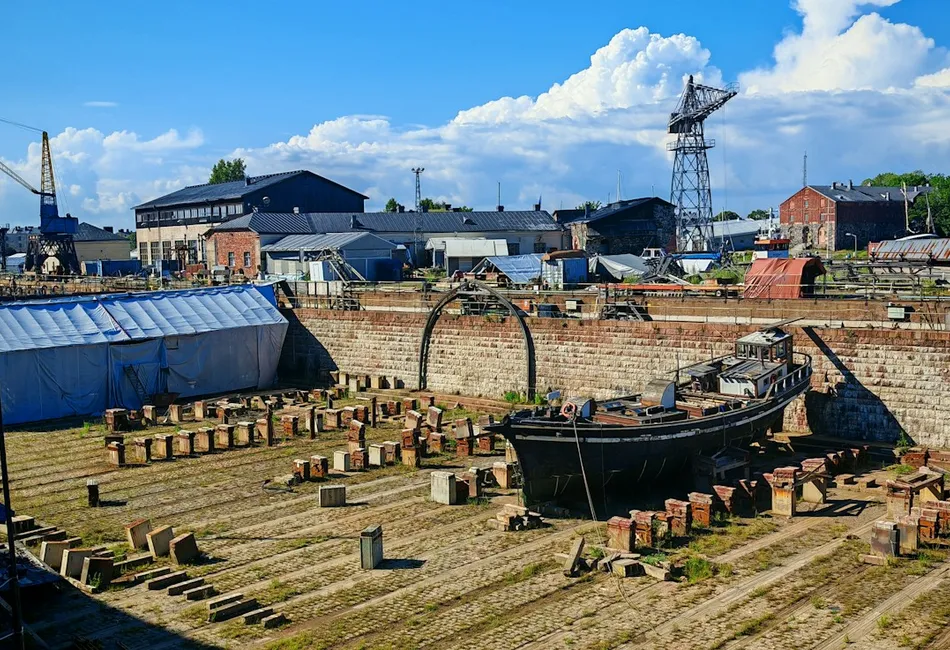
A ship in service cannot always go to a blast bay. Time is short, access is poor, and the old paint is still partly sound. In this situation, epoxy mastic coating is often the practical choice for the repair job.
This guide is for ship repair contractors and owners planning in-service repairs. It explains what the product is, when it fits, where it stops working, and a simple 7-step workflow that a yard crew can follow.
Table of Contents
What Is Epoxy Mastic Coating?
Epoxy mastic coating is a two-component, high-build epoxy paint made for surfaces that are not perfectly prepared. It is also called surface tolerant epoxy. The name “mastic” points to its thick, heavy-bodied film.
A normal marine epoxy expects a blasted, clean steel surface. A mastic type accepts a lower standard of preparation. It can be applied over steel that was cleaned by hand tools or power tools, and often over old coatings that are still firmly bonded.
That is why yards use it for maintenance and repair work, not for new building.
Why Surface Tolerant Epoxy Suits Ship Repairs
Full blasting is the best preparation, but it is not always possible. Abrasive blasting needs containment, waste handling and time. On a vessel in service, it can also disturb neighbouring work.
Surface tolerant epoxy gives the repair crew another option. These are the usual reasons it is chosen:
- Spot repairs: small damaged areas can be treated without blasting the whole hull or deck.
- Limited access: corners, tank edges and congested areas are hard to blast but easy to clean with hand and power tools.
- Short docking windows: less preparation means the coating can start earlier.
- Ageing coatings: sound old paint can stay in place, so you remove only what has failed.
- High build: a thick film in fewer coats saves labour on larger repair areas.
Note that “tolerant” does not mean “careless”. The product forgives a lower standard of cleaning, but it still needs a clean, dry and sound base.
Epoxy Mastic Coating vs Blasting-Grade Epoxy Systems
The choice depends on the condition of the steel and the expected life of the repair. The table gives a simple comparison.
| Point | Epoxy mastic | Blasting-grade epoxy |
|---|---|---|
| Surface preparation | Hand or power tool cleaned steel; sound old coating | Abrasive blasted steel to the specified standard |
| Best use | Spot repair, touch-up, in-service maintenance | New building, full recoating, tank linings |
| Film build | High build per coat | Usually lower build per coat |
| Preparation time | Shorter | Longer |
| Expected life | Good for repair work; follow the data sheet | Best long-term performance on clean steel |
If the steel will be blasted anyway, a conventional system is the better path. Our guide to marine epoxy paint for steel explains those full systems.
Hand-Tool Cleaned Steel: What Surface Preparation Is Enough?
Hand-tool cleaned steel is steel that has been wire brushed, scraped or sanded to remove loose rust, loose paint and scale. Power tools do the same job faster. Common standards describe these grades, such as St 2 and St 3 in ISO 8501-1, or SSPC-SP 2 and SP 3.
For a repair with epoxy mastic coating, the crew should always:
- Remove oil, grease and salts first with a suitable cleaner and fresh-water washing.
- Remove loose rust, flaking paint and any coating that is not firmly bonded.
- Feather the edges of the old paint so the new film does not leave a sharp step.
- Keep the surface dry and above the dew point while painting.
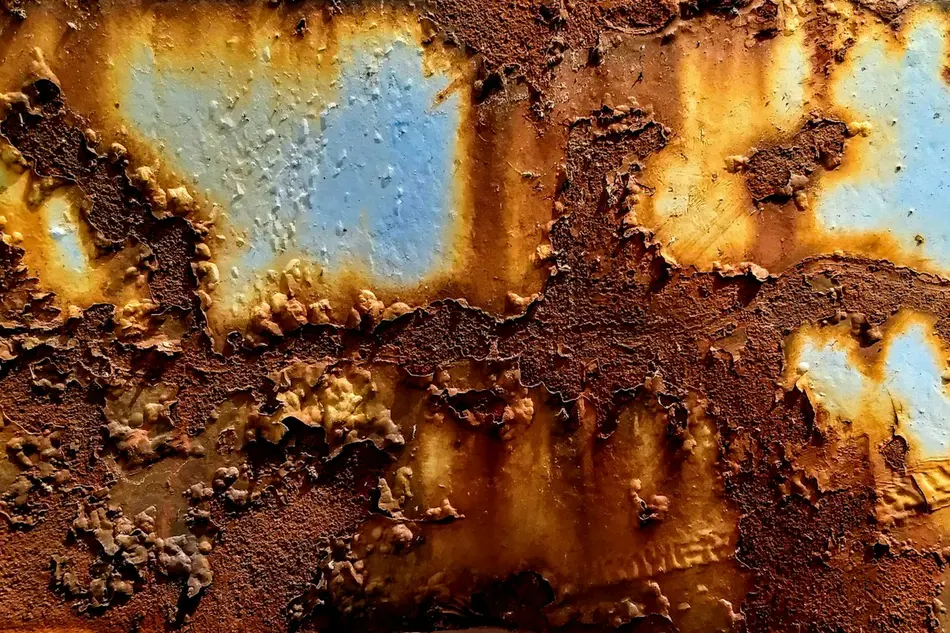
Salt and moisture cause more repair failures than the choice of paint. Our guide on marine paint surface preparation covers the cleaning steps in more detail.
Limits of Epoxy Mastic Coating
A good repair starts with knowing what the product cannot do. Read the technical data sheet before you order, because each product has its own limits.
Film thickness
High build is a strength, but too much thickness is a risk. A very thick film can trap solvent, sag, or crack. Measure the wet film while you paint and the dry film after curing, and keep both within the range on the data sheet.
Curing at low temperature
Most two-component epoxies cure slowly when the steel is cold, and some stop curing below a minimum temperature. Cold steel also tends to be damp. In winter repairs, check the minimum application temperature and the overcoating interval for your product.
Topcoat choice
Epoxy films usually chalk and fade under sunlight. Where the repair is exposed above the waterline, plan a suitable topcoat. A polyurethane or alkyd finish is a common route. You can see the Bajak alkyd topcoat as one option for this step. Always confirm compatibility with the data sheet first.
Underwater service
Not every epoxy mastic coating is designed for permanent immersion or for the underwater hull. Check the stated service area of the product before you use it below the waterline.
Surface-tolerant coatings
Need epoxy mastic for difficult steel surfaces?
Send us your surface condition and area. We will recommend a suitable Bajak epoxy and prepare a quotation.
Simple Repair Workflow for Yard Crews
Follow this workflow for an in-service repair with epoxy mastic coating. It is a general guide, so the product data sheet and the owner specification always come first.
- Inspect and mark: find the failed areas, rust, blisters and weak paint. Mark the repair boundaries.
- Wash: remove salt, oil and dirt with a suitable cleaner and fresh water, then let the surface dry.
- Clean the steel: use hand or power tools to remove loose rust, scale and failed paint down to sound material.
- Feather the edges: sand the edge of the old coating to a smooth transition.
- Check conditions: measure steel temperature, air temperature and humidity, and confirm the steel is above the dew point.
- Mix and apply: mix the two components fully, respect the pot life, and apply by brush, roller or airless spray. Brush the first coat well into rough areas and pitting.
- Cure, inspect and topcoat: respect the overcoating interval, check the dry film thickness, then apply the specified topcoat.
If you want a bigger view of the repair job, our article on marine paint peeling, blistering and rust helps you find the cause of failure before you recoat.
How to Choose the Right Product for Your Repair
When you select an epoxy mastic coating, compare these points on the data sheet:
- Approved surface preparation grades and compatible old coatings.
- Recommended dry film thickness per coat.
- Minimum application and curing temperature.
- Overcoating interval and approved topcoats.
- Allowed service area, such as topsides, decks, tanks or immersion.
Stock Sanat Caspian supplies the Bajak Epoxy Mastic Coating as an exclusive Bajak representative. You can also browse the full epoxies category and the marine paint category to compare systems for the whole vessel.
For further background on this resin family, see the general overview of epoxy resins.
Request a Quote for Your Next Ship Repair
Tell us the vessel type, the area to repair, the surface condition and the docking dates. The Stock Sanat team can help you match an epoxy mastic coating to your repair plan. Request a quote on the contact page and our team will reply with details.
What is epoxy mastic coating?
Epoxy mastic coating is a two-component, high-build epoxy paint that tolerates less perfect surface preparation. It can be applied over hand or power tool cleaned steel and sound old coatings, which makes it a common choice for maintenance and repair work on ships.
Is epoxy mastic coating suitable for hand-tool cleaned steel?
Yes, this is its main use. Surface tolerant epoxy is made for steel cleaned by hand or power tools instead of blasting. The steel must still be free of oil, salts, loose rust and loose paint, and it must be dry before application.
Can epoxy mastic be applied over old paint?
Often yes, but only over old coatings that are sound and firmly bonded. Remove flaking or blistered paint, clean the surface and feather the edges. Check the data sheet for compatibility, because some old coatings may lift or react with the new paint.
Does epoxy mastic cure at low temperature?
Curing becomes slow in cold conditions, and many epoxies have a minimum application temperature. Cold steel is also often damp. Check the data sheet for the lowest temperature, the dew point margin and the overcoating interval before you start the repair.
Does epoxy mastic need a topcoat?
Usually yes where the surface is exposed to sunlight. Epoxy films tend to chalk and fade outdoors. A topcoat such as polyurethane or alkyd protects the appearance and the film. Confirm the compatible topcoat and the recoating interval on the data sheet.
When should you blast instead of using epoxy mastic?
Choose blasting when the old coating has failed over a large area, when steel is heavily pitted, or when the specification asks for a blasted standard. Full blasting gives the best long-term base for tank linings, immersion service and new building.
Recent Posts