
Stock Sanat Specialized Magazine

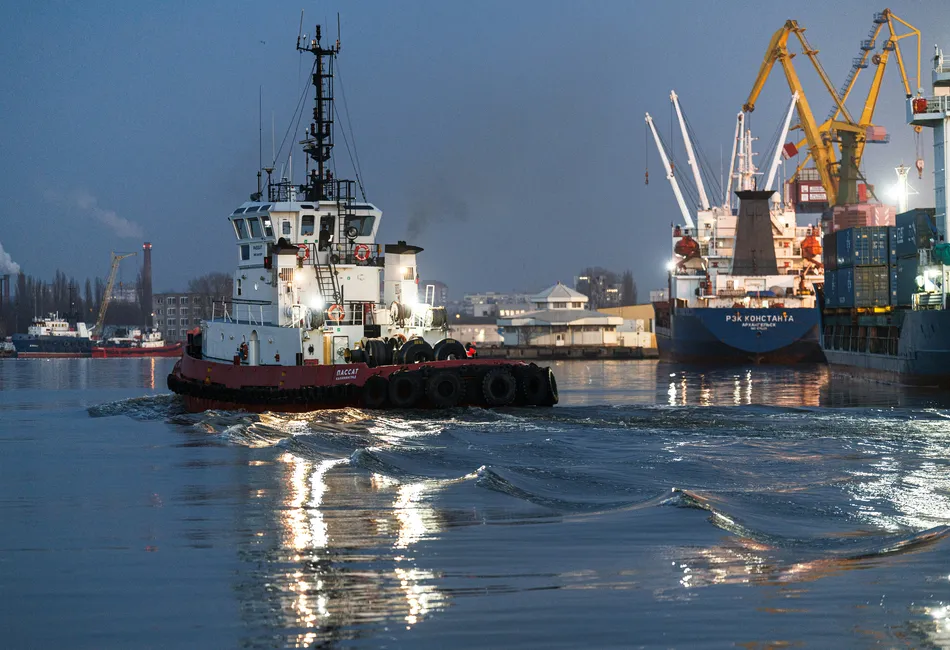
A hull that works in a river mouth sees two kinds of water in one day. Fresh river flow pushes down, and the tide pushes salt back up. Most antifouling advice ignores this and is written for open-sea yachts.
This guide explains how to choose antifouling paint for brackish water for river, estuary and port vessels. It is written for shipping companies, vessel owners and dry dock contractors who buy by the drum, not by the can.
Table of Contents
Why Brackish Water Changes the Antifouling Question
Brackish water sits between fresh water and seawater. Its salt content is not fixed. It changes with the tide, the season and the amount of river discharge.
That moving salinity is the core problem. A coating that is chosen for full-strength seawater may behave differently in a river. Antifouling paint for brackish water has to be judged against the real conditions of your route, not a generic sea chart.
For general background on this type of water, see the overview of brackish water.

What Grows on Hulls in Low Salinity Water
In antifouling paint for brackish water projects, low salinity fouling is not the same as open-sea fouling. Hard marine growth such as barnacles is mostly linked to higher salinity. In rivers and estuaries the problem is more often soft growth.
- Slime films: a thin biofilm that forms first on any wet surface.
- Algae and weed: green growth that likes light, warmth and nutrients.
- Silt and sediment: muddy water leaves deposits that hold other growth in place.
- Mixed growth: in the middle zone of an estuary, fresh and salt species can both appear.
Fouling adds drag, raises fuel use and hides coating damage. Slow river traffic and long waits at berth make it worse, because a still hull collects growth faster than a moving one. This is why antifouling paint for brackish water must work on a slow or idle hull.
If you want the basics of how the coating releases its protection, read our guide on how antifouling paint works.
Salinity Swings, Tides and Port Idle Time
River and estuary vessels face three conditions that a sea-going ship may not, and each one affects antifouling paint for brackish water.
Changing Salinity With the Tide
Near a tidal river mouth, the same berth can hold fresher water at low tide and saltier water at high tide. The Arvand (Shatt al-Arab) and the Karun, around Khorramshahr and Abadan, are typical tidal river settings. Coatings in these zones are exposed to a wide range, not one value.
Silt and Turbid Water
Muddy water can scuff the film and leave sediment on it. Some paints depend on a clean, active surface to release their biocide, so heavy silt matters when you compare products.
Long Stays at Berth
Port service craft, barges and pontoons often sit still for days. A stationary hull is the easiest to foul. When you select antifouling paint for brackish water, plan around idle time as well as sailing time.
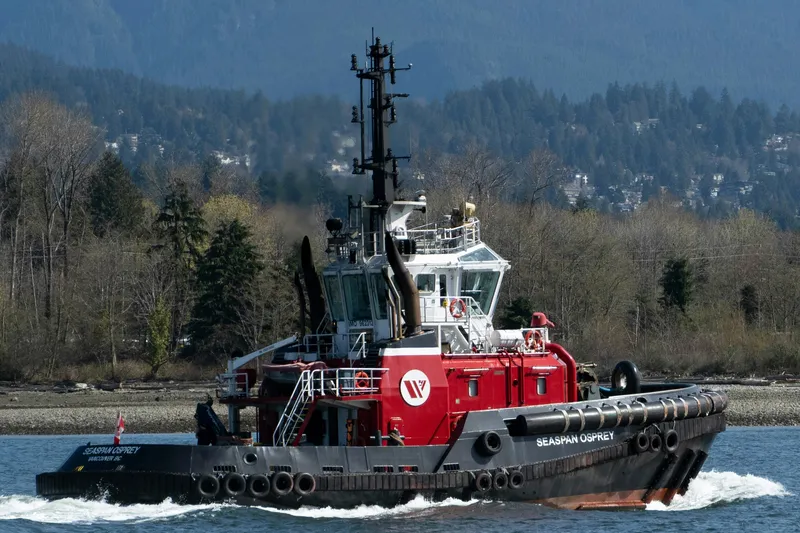
Antifouling Paint for Brackish Water: What to Look For
When you compare antifouling paint for brackish water, check five things before you compare price.
- Stated water conditions: ask the maker whether the data sheet covers low and changing salinity.
- Biocide system: confirm what the paint releases and whether it is tin-free.
- Film behaviour: hard, ablative and self-polishing films wear differently.
- Suitability for idle time: check how the paint handles long stops at berth.
- Compatibility with the system below: the primer or anticorrosive layer must accept the antifouling.
Tin-free matters. The International Maritime Organization restricts harmful antifouling systems, including organotin (TBT) compounds. You can read the background on the IMO anti-fouling systems page.
Antifouling Types Compared for River and Estuary Use
For antifouling paint for brackish water there is no single winner. The table gives a general view of common antifouling film types. Final suitability always comes from the product data sheet.
| Type | How it works | General note for low salinity |
|---|---|---|
| Contact leaching (hard) | Releases biocide from a hard matrix | Simple and low cost; check the repaint window |
| Ablative or eroding | Wears away slowly to expose fresh paint | Needs enough water movement; idle time matters |
| Self-polishing | Controlled polishing in moving water | Best judged by the maker for your speed and route |
| Foul-release (non-biocide) | Slippery surface releases growth | Often needs speed to work; ask for route data |
For vessels that stay in rivers and ports for long periods, ask the supplier which type of antifouling paint for brackish water fits your idle time and speed. Then confirm it in writing against the data sheet.
Choosing by Vessel Type
Different craft need different questions about antifouling paint for brackish water. Use this table as a starting point for antifouling for port and river traffic.
| Vessel type | Main fouling risk | Question to ask |
|---|---|---|
| River barges and pushers | Slime, algae, silt | How does the film cope with low speed? |
| Port tugs and pilot boats | Frequent stops, mixed salinity | How does it cope with tide changes? |
| Ferries and passenger craft | Regular timetable, clean look | What is the repaint interval target? |
| Dredgers and work vessels | Silt, abrasion, long idle time | How tough is the film in turbid water? |
| Pontoons, jetties and floating docks | Always wet, never moving | Is it suitable for permanently static surfaces? |
Brackish water protection
Antifouling for brackish water, supplied directly.
Tell us the salinity, speed and docking interval of your vessel and we will suggest a suitable Bajak antifouling paint.
Dock Cycle Planning for River and Estuary Vessels
A dock visit is the only time you can recoat below the waterline. So the choice of antifouling paint for brackish water should follow your dock plan, not the other way round.
- Match the life of the antifouling paint for brackish water to the planned time between docks.
- Use a service-life figure from the data sheet, not from a brochure.
- Plan hull inspections between docks where a diver or survey is possible.
- Do not extend a dock interval just because the hull looks clean from above.
Our guide on how often a ship hull should be repainted explains dock cycles in more detail. The step-by-step dry dock coatings checklist helps you plan the work.
Application Basics for Any Brackish Water Antifouling System
A good coat of antifouling paint for brackish water on a bad base still fails. Follow the full system.
- Remove old loose paint, rust and marine growth.
- Prepare the steel to the standard stated by the paint maker.
- Apply the anticorrosive layers first and let them reach the stated recoat window.
- Apply the antifouling within the recoat window stated on the data sheet.
- Apply the stated number of coats to reach the specified dry film thickness.
- Keep the surface dry and clean, and avoid applying in damp or condensing conditions.
Read antifouling vs anticorrosive paint to see why the layers below the antifouling are as important as the top coat.
What the Bajak Antifouling Data Sheet Says
Stock Sanat Caspian is the exclusive Bajak representative since 2020. The Bajak Antifouling Paint page lists these details, which you can use when you compare products.
| Property | Listed specification |
|---|---|
| Product type | Single-component, tin-free antifouling coating |
| Active protection | High copper oxide content with active organic biocides, released gradually |
| Application area | Ship hulls, boats and marine structures below the waterline |
| Finish | Matt |
| Standard dry film thickness (DFT) | 100 microns |
| Touch-dry time | 4 to 5 hours at 20 °C |
| Minimum recoating interval | 8 hours at 20 °C |
| Application methods | Brush, roller or spray |
| Pack size and colours | 20 litres; beige, black, blue, brown, yellow |
The product page does not publish a salinity range. For a river or estuary project, ask our team to confirm that it works as antifouling paint for brackish water and give you the current technical data sheet before you order. Always follow the data sheet for your batch.
Common Mistakes When Choosing Antifouling Paint for Brackish Water
- Copying the paint choice of a sea-going sister ship without checking the route.
- Ignoring idle time at berth and judging only by sailing speed.
- Skipping the anticorrosive and tie layers to save cost.
- Missing the recoat window and applying over a dry, unready surface.
- Buying by price per litre instead of cost over a full dock cycle.
7 Essential Checks Before You Order
- Measure the real salinity range along your route, in different seasons.
- List how long the vessel sits still each month.
- Confirm the antifouling paint for brackish water is tin-free and meets the rules that apply to your flag and port.
- Ask the supplier for the technical data sheet and the stated water conditions.
- Check compatibility with the existing system below the antifouling.
- Plan the quantity from hull area and the stated coverage, and add a margin.
- Match the paint life to the date of your next dock visit.
Browse our full range of marine paint to see which products suit each layer of the system. Pair them with the right antifouling paint for brackish water for the hull below the waterline.
Frequently Asked Questions
Can I use normal marine antifouling paint in brackish water?
Often yes, but it depends on the product. Some data sheets state the water conditions they were tested for. Ask the maker whether the paint suits low and changing salinity, and check the data sheet before you order for a river or estuary vessel.
What is brackish water antifouling?
Brackish water antifouling is a hull coating chosen for water that is part fresh and part salt, such as river mouths and estuaries. It must control slime and algae while salinity rises and falls with the tide. The exact suitability comes from the product data sheet.
What fouls hulls in rivers and estuaries?
Soft growth is the main issue: slime films, algae, weed and silt. Hard fouling such as barnacles is mostly linked to higher salinity. Mixed zones in an estuary can show both. Slow speed and long stays at berth make any fouling worse.
How often should river and estuary vessels be recoated?
It depends on the paint, the route and the idle time. Follow the service life on the data sheet and plan the coat around your dock cycle. Inspect the hull between dockings so that you do not extend the interval only because the hull looks clean from above.
Does antifouling paint need an anticorrosive layer under it?
Yes, on steel hulls the anticorrosive system under the antifouling protects the steel. The antifouling only controls growth. The layers must be compatible and applied within the recoat windows. Read the data sheets for the whole system before you start.
Is Bajak Antifouling Paint tin-free?
Yes. The product page describes Bajak Antifouling Paint as a single-component, tin-free coating with high copper oxide content and active organic biocides. Contact us for the current technical data sheet and confirmation for your river or estuary route.
Request a Quote for Brackish Water Antifouling
Tell us the vessel type, the route, the hull area and the planned dock date. We will recommend antifouling paint for brackish water as part of a coating system and send the technical data sheets with your quote.
Recent Posts