
Stock Sanat Specialized Magazine

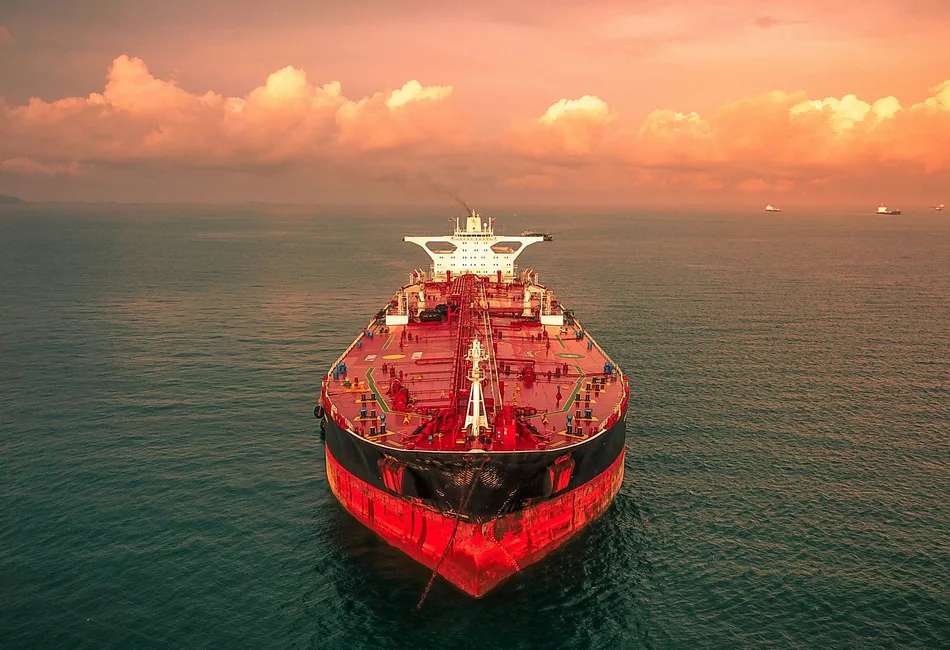
A tanker and a bulk carrier can both be 180 metres long and both sit in the same dry dock. Their hulls still live very different lives.
This guide compares tanker hull paint with bulk carrier hull paint, zone by zone. It is written for shipowners, technical managers and dock contractors in Iran and the Gulf who must choose a coating system for a specific vessel type.
Table of Contents
Tanker Hull Paint vs Bulk Carrier: The Short Answer
Both ships need the same basic layers: an anticorrosive coat on blasted steel, tie-coat or sealer where the system needs one, and antifouling below the waterline. The difference is in what each hull suffers.
Tanker hull paint is mostly judged on large, flat surfaces, big changes in draft and long idle time at terminals. Bulk carrier hull paint is mostly judged on impact, scraping and rough cargo handling.
That is why one product list can be right for tanker hull paint and wrong for a bulk carrier. The paint itself matters, but the way you match it to the zone and the trade matters more.
If you need the full background first, read our guide to the marine coating system and the overview of marine paint types.
The Four Hull Zones Both Vessels Share
Every ship hull is split into zones, and each zone gets its own coating. A ship hull coating system is never one paint from keel to deck.
- Underwater hull: always wet. It needs an anticorrosive system plus antifouling.
- Boot top: the band between light and loaded waterlines. It is wet, then dry, then wet again.
- Topsides: the hull side above the waterline. It sees sun, spray and berthing contact.
- Deck and superstructure: exposed to weather, foot traffic and cargo gear.
For a deeper look at the first two zones, see how antifouling and anticorrosive paint differ in function.
The zones are the same on both ship types. What changes is the load on each zone.
How a Tanker Hull Is Used, and What It Means for Paint
A tanker spends its life moving between heavy loaded and light ballast conditions. It may also wait at anchor or at a terminal for long periods. These habits drive every choice in tanker hull paint.
Large Draft Changes and the Boot Top
When a tanker is loaded it sits deep. In ballast it rides high. The hull side between those two lines goes through constant wetting and drying.
That makes the boot top the hardest zone on a tanker. Good tanker hull paint here must resist water, light, and the abrasion from fenders, tugs and mooring lines.
Long Idle Time and Fouling Risk
Tankers often wait for a berth, and a ship at rest is exposed to fouling. Growth settles more easily on a hull that is not moving.
So the tanker antifouling choice should consider how much time the vessel spends at slow speed or idle. It should not be based only on the trading route.
Large Flat Surfaces and Temperature
Tanker sides are wide and flat. They show every weakness in surface preparation and film thickness. Where the hull side is next to heated cargo or cold ballast, the steel temperature also changes, and the paint film is stressed by it.
Cargo tanks inside the ship use a completely different coating system. Do not mix up the tank lining with the outer tanker hull paint. This article covers only the outside of the hull and the deck.
How a Bulk Carrier Hull Is Used, and What It Means for Paint
A bulk carrier carries dry cargo such as grain, ore or coal. The ship is loaded and unloaded fast, and often with heavy equipment next to the hull.
Impact, Scraping and Cargo Handling
Barges, grabs and fenders touch the side of the ship during loading. Mechanical damage is common, and bare steel appears early.
For that reason, bulk carrier hull paint needs a tough, damage-tolerant coat, and good touch-up discipline. A small scrape that stays unrepaired becomes a rust spot by the next docking.
Bulk Carrier Cargo Hold vs Hull
The cargo hold is a separate coating job. It faces cargo abrasion and cleaning chemicals, and it is specified apart from the outer hull. When people ask about bulk carrier cargo hold vs hull coatings, the answer is simple: different surface, different exposure, different system.
Do not copy a hold specification onto the shell, or the shell specification into the hold.
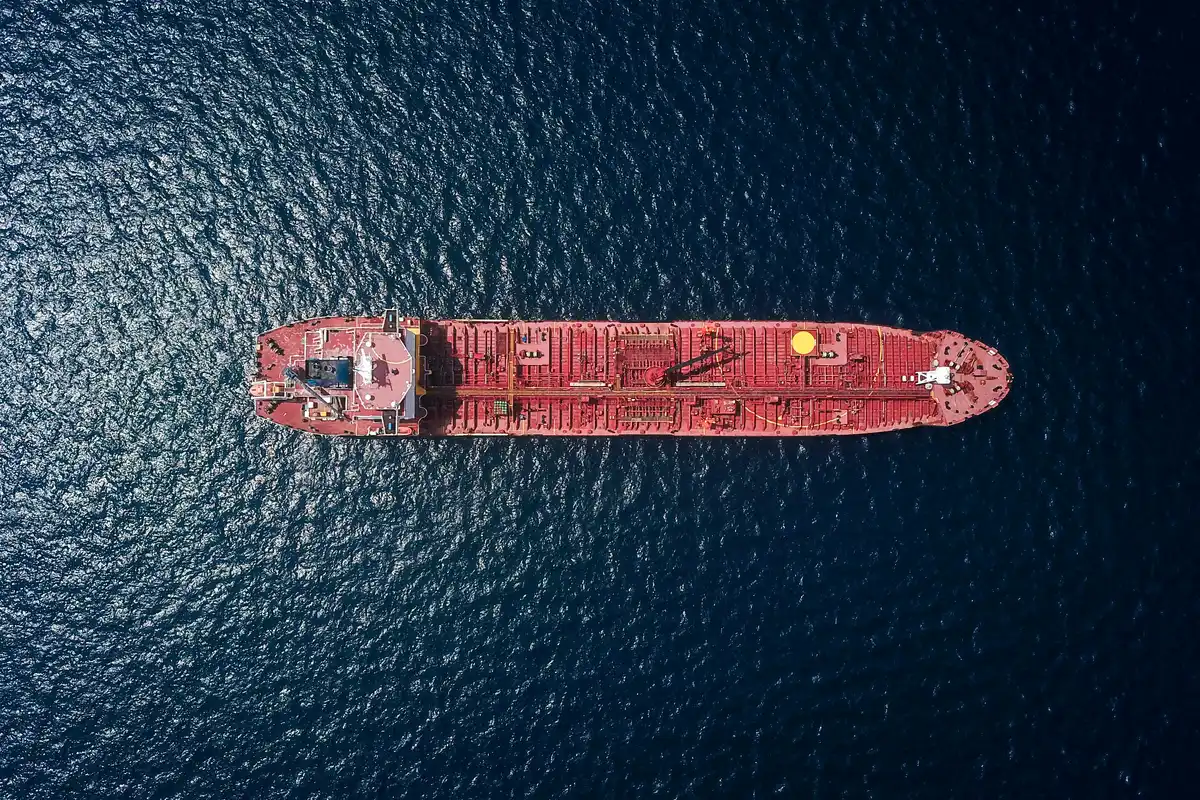
Tanker Hull Paint Below the Waterline: Antifouling and Anticorrosive Layers
The underwater hull coating is the biggest paint area on both ships. It has two jobs: stop corrosion and stop growth.
The anticorrosive layers are usually epoxy based. They form a barrier on the steel. Antifouling goes on top and releases its active ingredient or its smooth surface effect to keep growth off. Read how this works in our guide on how antifouling paint works.
On a tanker, plan the system around the large flat area and the idle time. A good tanker hull paint scheme needs a uniform, even film. On a bulk carrier, plan around damage: the anticorrosive layer must survive contact, because antifouling over a damaged base fails quickly.
For general background on the topic, see this IMO page on anti-fouling systems, which explains the rules that apply to antifouling coatings.
- Tanker: prioritise even coverage, a compatible antifouling and enough protection for long idle periods.
- Bulk carrier: prioritise a tough anticorrosive base and easy spot repair.
Hull coating selection
Choosing a hull system for a tanker or bulk carrier?
Bajak epoxy systems cover the anticorrosive base of both vessel types. Send your vessel type, hull areas and docking date for a tailored quotation.
Boot Top Paint: Where Tanker Hull Paint and Bulk Carrier Paint Differ Most
Boot top paint must resist alternate wetting and drying, sun, and physical contact. It is a different job from the antifouling below it and the topside paint above it.
On a tanker, the boot top band is tall because the draft range is large. Any weakness shows up as a wide stripe of rust or paint loss. Tanker hull paint for this band should favour abrasion resistance and a firm bond to the layers beneath.
On a bulk carrier, the boot top is narrower in most cases, but it takes more hits from barges and fenders. Here the damage tolerance of the coat is the key point.
Whatever the ship type, the boot top coat must be compatible with the antifouling below and the topside finish above. Mixing paint makers without checking the data sheets is a common cause of early failure.
Topsides and Deck Paint Compared
Topsides are the visible part of the ship, so appearance matters too. Gloss and colour retention come from a polyurethane or similar finish over an epoxy base. See our polyurethane range for the finishing layer: polyurethane coatings.
With tanker hull paint on the topsides, the sides are large and uniform, so any patchy touch-up shows. On bulk carriers, the sides take frequent contact, so the finish needs regular repair.
The deck is a different case. A tanker deck is wide and often walked on, and it needs a durable system with grip in working areas. A bulk carrier deck carries hatch covers and cargo gear, so mechanical wear and corrosion at edges and weld seams matter more.
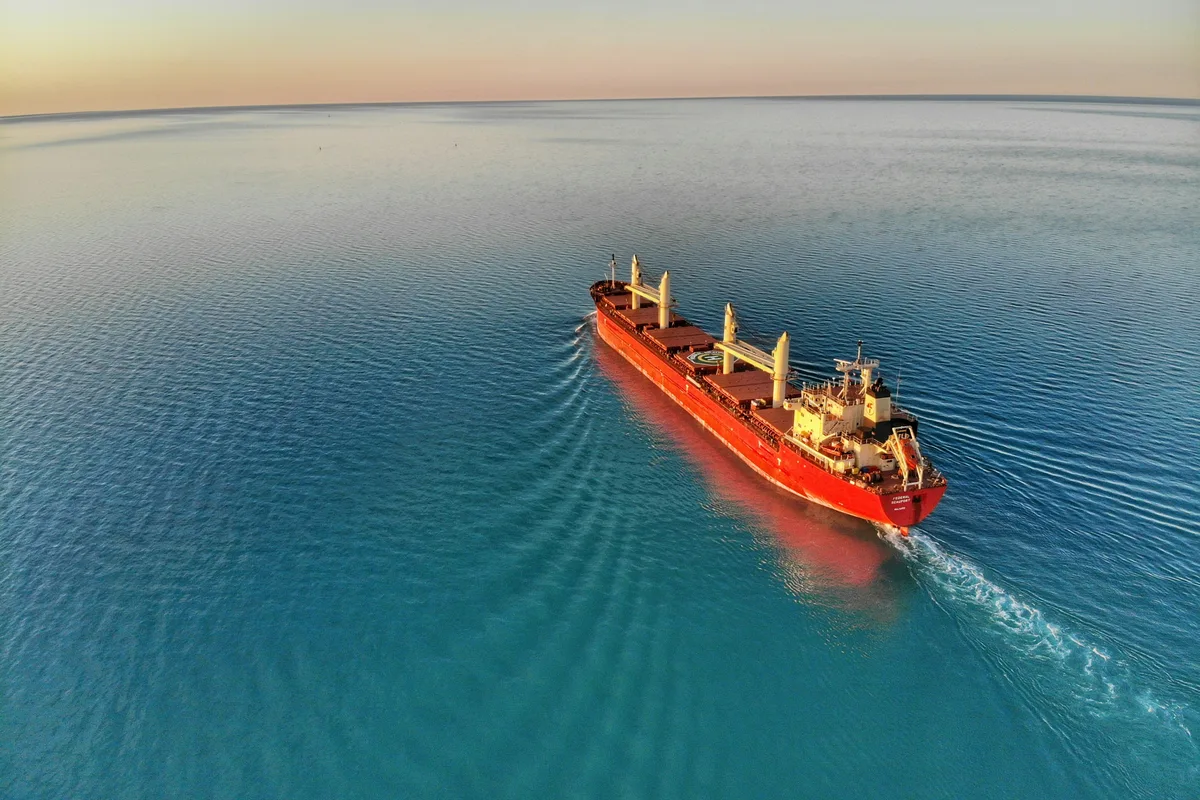
Film Thickness, Number of Coats and Docking Interval
Many owners ask for a fixed number of coats or a fixed thickness for each ship type. We cannot give such numbers without the technical data sheet (TDS) of the exact product and system.
The thickness, number of coats, overcoating times and docking interval all depend on the product, the surface preparation and the trade. Always take these from the paint maker data sheet and the project specification.
What we can say in general is this. Tanker hull paint is typically specified for even, full coverage on large areas. Bulk carrier hull paint is typically specified with extra attention to damage-prone areas. For planning the docking cycle, read how often a ship hull should be repainted and use our dry dock coatings checklist.
Tanker Hull Paint vs Bulk Carrier Hull Paint: Comparison Table
This table summarises the differences between tanker hull paint and bulk carrier hull paint by zone. It is a selection guide, not a specification.
| Zone | Tanker | Bulk carrier |
|---|---|---|
| Underwater hull | Large flat area; plan for even film and for idle time at terminals | Damage-prone; strong anticorrosive base and easy spot repair |
| Boot top | Tall band from big draft changes; abrasion and wet/dry cycling | Narrower band; frequent contact from barges and fenders |
| Topsides | Wide uniform sides; touch-up patches show | Scraping at the side during cargo work; regular repair |
| Deck | Wide working area; durable system with grip | Hatch covers, edges and welds; wear and corrosion |
| Antifouling focus | Idle and slow-speed fouling risk | Compatibility with a base that is often damaged |
| Main hull threat | Wetting cycles and long idle time | Impact and abrasion |
How to Choose a Coating System for Your Vessel Type
Use this short method to pick a system. It works for both ship types.
- Start with the vessel type and the real trade: tanker hull paint and bulk carrier paint are chosen from idle time and berthing habits.
- Split the hull into zones and note the main threat in each one.
- Choose an anticorrosive system that matches the surface preparation you can actually achieve.
- Choose antifouling to match the speed, idle time and docking interval.
- Check every layer for compatibility on the data sheets, ideally from one maker.
- Ask a supplier to confirm the system for your specific ship, not for a generic one.
In short, tanker hull paint is about wide surfaces, draft changes and waiting time. Bulk carrier hull paint is about toughness and damage repair. Match the zone first and the product second.
Looking for a supplier? See our marine paint supplier page, browse epoxy paints for steel hulls and marine paint, or read about marine epoxy paint for steel. For a quotation, contact us with your vessel type and hull areas.
Frequently Asked Questions
What is tanker hull paint?
Tanker hull paint is the coating system applied to the outside of a tanker hull: anticorrosive layers on the steel, antifouling underwater, boot top paint and a topside finish. It does not include the cargo tank lining, which is a separate system with its own specification.
How is tanker hull paint different from bulk carrier hull paint?
The zones are the same, but the stress is different. A tanker has large flat sides, big draft changes and long idle time, so tanker hull paint focuses on even coverage and boot top durability. A bulk carrier takes more impact and scraping, so its system focuses on toughness and easy repair.
Why is the boot top harder on a tanker?
A tanker changes draft a lot between loaded and ballast. That makes the boot top band tall, and it is repeatedly wet and dry. Any weakness in the tanker hull paint there shows as a wide stripe of damage, so abrasion resistance and compatibility with the layers around it are key.
Can I use the same antifouling on a tanker and a bulk carrier?
Sometimes, but do not assume it. Tanker antifouling should fit idle time and slow speed. A bulk carrier needs one that works with its trade and docking interval. Check the data sheet for each product and ask the maker or supplier to confirm it for your vessel.
Is a bulk carrier cargo hold coated like the hull?
No. The cargo hold faces abrasion from cargo and cleaning chemicals, so it has its own system and specification. The outer hull faces water, sun and contact. Do not copy one specification onto the other surface, and always follow the data sheets.
How many coats and how much thickness does tanker hull paint need?
There is no single answer. The number of coats, film thickness and recoat times come from the technical data sheet of the exact system and from the project specification. Ask your supplier for the data sheets of the products you plan to use.
Recent Posts