
Stock Sanat Specialized Magazine

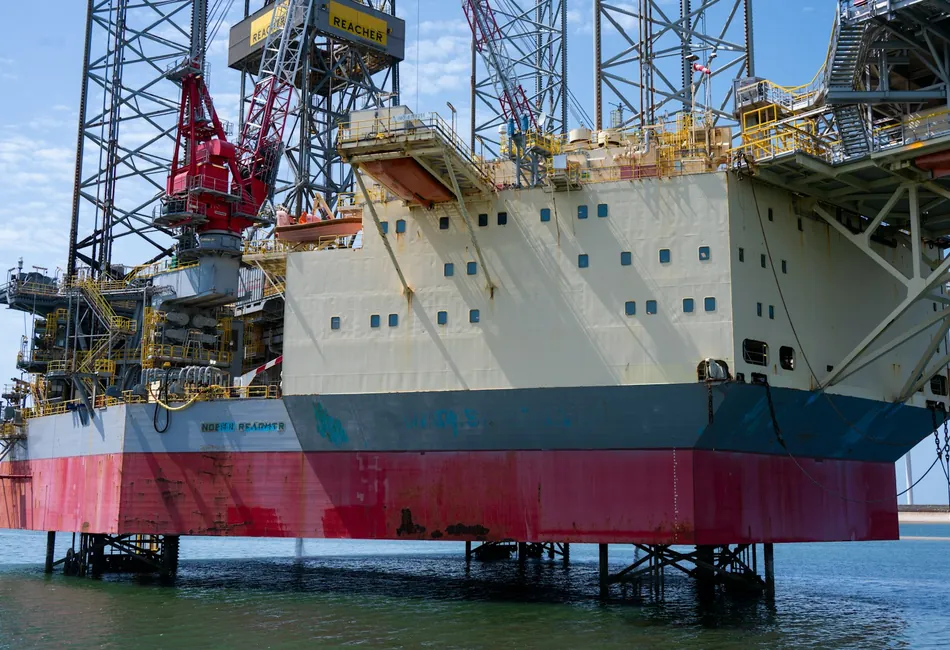
Bare steel at sea starts to rust within hours. Salt, moisture and wet-dry cycles do the rest. A zinc-rich primer for marine steel is one of the most proven first layers against that attack, but only when it is chosen and applied correctly.
This guide explains how the primer works, where it belongs, how to prepare the steel and which epoxy overcoats suit it. It is written for shipyards, boat builders, contractors and industrial buyers.
Table of Contents
How a Zinc-Rich Primer for Marine Steel Protects the Surface
A zinc-rich primer for marine steel is a coating with a very high load of fine zinc dust in a resin binder. The zinc particles touch each other and the steel underneath. That contact is what makes the film work.
Zinc is less noble than steel. If moisture reaches a scratch or a pinhole, the zinc corrodes first and the steel is spared. This is galvanic, or sacrificial, protection. It is the same principle used by galvanising and by anodes in cathodic protection.
Over time the zinc corrosion products fill the pores of the film. They add a barrier effect to the sacrificial effect. This is why a good zinc-rich primer for marine steel can protect steel at small damaged areas, where a plain barrier coat would let rust creep under the film.
The zinc must touch the steel. If it does not, it cannot protect it.
A zinc-rich primer for marine steel is only the first layer. In a marine system it is covered by one or more epoxy coats and a topcoat, which keep water and salt away from the zinc so that it lasts for years.
When to Use a Zinc-Rich Primer for Marine Steel
A zinc-rich primer for marine steel earns its cost where steel is exposed to salt and where small coating damage is likely. Typical examples are listed below. The exact scheme for each zone should always come from the paint specification and the technical data sheet.
Where it is usually a good fit
- Decks and superstructure: constant exposure to salt spray, foot traffic and mooring damage.
- Ballast tanks and voids: wet-dry cycles that quickly attack bare steel.
- Offshore structures and jetties: platforms, walkways, piles above the water and splash zones.
- Workboats, barges and boat-yard steelwork: where repairs are frequent.
- Fabricated steel and pipework: structures built ashore and shipped to the coast.

Where to think twice
- Constant immersion: many underwater schemes use an epoxy barrier coat with antifouling and anodes instead. See our guide to antifouling and anticorrosive layers.
- Poorly prepared steel: if you cannot blast to the required grade, a zinc-rich primer for marine steel will not perform.
- Chemical or very high-temperature service: check the data sheet limits first.
In short, use a zinc-rich primer for marine steel where corrosion damage is likely and where you can prepare the surface properly. Where those two conditions are not met, ask the supplier for an alternative.
Zinc-Rich Epoxy vs Inorganic Zinc Silicate
Two families of zinc-rich primer for marine steel are common in marine work. A zinc rich epoxy primer uses an organic binder. An inorganic zinc silicate uses a silicate binder. The table compares them in general terms. Product data sheets always take priority.
| Feature | Zinc-rich epoxy | Inorganic zinc silicate |
|---|---|---|
| Binder | Two-pack epoxy | Silicate |
| Surface tolerance | More tolerant of site conditions | Needs excellent blast cleaning |
| Overcoating | Easier, with a wide choice of epoxies | Needs care, often a mist coat |
| Cure | Chemical cure with hardener | Cures with moisture and humidity |
| Typical use | Maintenance, repairs, fabricated steel | Shop-applied primer on new steel |
For yard repairs, maintenance and mixed jobs, a Bajak 65% Zinc-Rich Epoxy is usually the practical choice. It is a two-component product with 65% zinc content, designed as a sacrificial primer for steel in structures, tanks, pipelines and marine and offshore service.
Surface Preparation Before the Primer
Surface preparation decides the life of the whole system. A zinc-rich primer for marine steel needs bare, clean, slightly rough steel. Our guide to marine paint surface preparation covers the full process. The key points are these.
- Abrasive blasting to the grade on the data sheet, usually Sa 2.5 (near-white metal) under ISO 8501-1.
- Surface profile within the range the manufacturer states, so the film keys into the steel.
- Remove oil, grease and soluble salts before and after blasting. Chlorides trapped on steel cause blisters later.
- Remove dust from the blasted surface with clean air or a vacuum.
- Prime quickly before flash rust forms, normally within hours of blasting in humid coastal air.
Check the weather as well. Steel temperature should be above the dew point by the margin on the data sheet. A common requirement is 3 °C. Coating damp steel is one of the most frequent causes of early failure.
Zinc-rich primers
Protect marine steel with the right zinc-rich primer.
Ask us about Bajak primers for steel, and receive a quotation that matches your surface area and topcoat system.
How to Apply a Zinc-Rich Primer for Marine Steel

- Check the data sheet. Note the mixing ratio, pot life, film thickness and overcoating interval.
- Mix the components exactly as instructed, using a mechanical mixer. Zinc is heavy and settles fast.
- Keep it agitated during application, especially with a spray pot.
- Stripe-coat edges, welds, bolts and corners first, so these weak points get full thickness.
- Apply the full coat evenly, using a wet film gauge to stay on target.
- Avoid over-thick film. Too much zinc primer in one pass can crack or trap solvent.
- Let it cure for the stated time, then inspect for runs, dry spray and pinholes.
- Measure dry film thickness and record it before overcoating.
Good housekeeping on site helps a zinc-rich primer for marine steel perform. Close each mixed batch within its pot life, discard anything that has thickened and keep thinner types consistent with the product.
Epoxy Overcoats and Topcoats That Work With Zinc-Rich Primer
The usual marine scheme builds in layers: zinc-rich primer, an epoxy barrier or intermediate coat and then a topcoat for colour and weather resistance. Each layer has a job.
| Layer | Typical role | Common choice |
|---|---|---|
| Primer | Sacrificial protection of the steel | Zinc-rich epoxy primer |
| Intermediate | Barrier against water and salt | Epoxy or epoxy polyamide |
| Topcoat | UV, gloss and colour retention | Polyurethane or acrylic |
Before overcoating the zinc-rich primer for marine steel, remove dust and any white zinc salts from the primer surface. Respect the minimum and maximum overcoating intervals. A light mist coat of the epoxy helps release air from the porous zinc film and reduces bubbles and pinholes.
Our guide to antifouling and anticorrosive layers explains how these layers fit together on a hull. For lighter-duty areas, or where zinc protection is not specified, an alternative such as Bajak Acrylic Primer may be used. It is a different primer for a different job, not a substitute for zinc where sacrificial protection is required.
You can compare other products in our Primers category and in the wider marine paint range.
5 Mistakes That Shorten the Life of a Zinc-Rich Primer for Marine Steel
- Skipping salt and oil removal. Blasting alone does not remove soluble salts.
- Coating over flash rust. The zinc loses contact with clean metal.
- Letting zinc settle. A thin, zinc-poor film protects poorly.
- Ignoring overcoating intervals. Too early traps solvent. Too late may need abrasion.
- Leaving edges and welds thin. These fail first, and rust then spreads under the paint.
Each of these mistakes is easy to prevent with a short inspection plan. Many specifications follow recognised marine paint standards such as ISO 12944, which sets corrosion protection classes for steel structures.
Inspection and Quality Checks After Priming
A short inspection plan catches problems while they are cheap to fix. Record the results for each coat, so the owner has a clear history of the work.
- Visual check: look for runs, dry spray, missed areas and contamination.
- Dry film thickness: measure at the points the specification requires and compare with the target range.
- Cure and adhesion: confirm the cure time before overcoating and test adhesion where specified.
- Repair of damage: touch up scratches in the primer before the next coat goes on.
These checks apply to every job, from a small repair to a full deck. Consistent records also make it easier to plan the next maintenance cycle.
Frequently Asked Questions
What does a zinc-rich primer do on marine steel?
It protects steel in two ways. The zinc dust in the film acts as a sacrificial metal, so zinc corrodes before the steel does. As the zinc products build up, they also seal the film and add barrier protection. Overcoats then protect the primer from the marine environment.
Can I apply a zinc-rich primer over rust?
No. A zinc-rich primer needs clean, blasted steel, because the zinc must stay in electrical contact with the metal. Rust, mill scale, oil, salts and old paint all break that contact. Blast to the grade on the data sheet, usually near-white metal, and coat before flash rust forms.
What is the difference between zinc-rich epoxy and zinc silicate?
Zinc-rich epoxy uses an organic epoxy binder and is easier to overcoat and more tolerant of site conditions. Inorganic zinc silicate uses a silicate binder, cures with moisture and resists higher heat, but it demands better surface preparation and careful overcoating. Choose by the system specification.
Which topcoats can go over a zinc-rich epoxy primer?
Epoxy intermediate coats are the usual next layer, followed by a polyurethane or acrylic topcoat where UV resistance and colour matter. Always confirm the overcoating interval and compatibility on the technical data sheets, and test a small area first if the primer has aged or weathered.
Should a zinc-rich primer be used below the waterline?
It depends on the system. Many hull schemes rely on an epoxy barrier coat plus antifouling, with anodes for cathodic protection. Zinc-rich primers are more common on decks, superstructure, tanks and offshore steel. Follow the paint maker’s specification for each zone instead of assuming one primer fits all.
How do I apply a zinc-rich primer without pinholes or bubbles?
Keep the paint agitated so the heavy zinc does not settle, and apply within the pot life. Use the recommended film thickness, not more. Spray a light mist coat before the full coat on rough or porous areas, and stripe-coat edges and welds first so the film wets the surface properly.
Conclusion: Choose the Right Primer, Then Apply It Right
A zinc-rich primer for marine steel works when four things come together: the right product for the zone, a blasted and clean surface, correct application and compatible epoxy overcoats. Miss one and the system loses years of service life.
Ready to specify a zinc-rich primer for marine steel? Browse the Marine Paint category in our Primers category, review the Bajak 65% Zinc-Rich Epoxy or contact the Stock Sanaat team with your steel type, area and delivery location. We will help you match the primer to the overcoats.
Recent Posts