
Stock Sanat Specialized Magazine

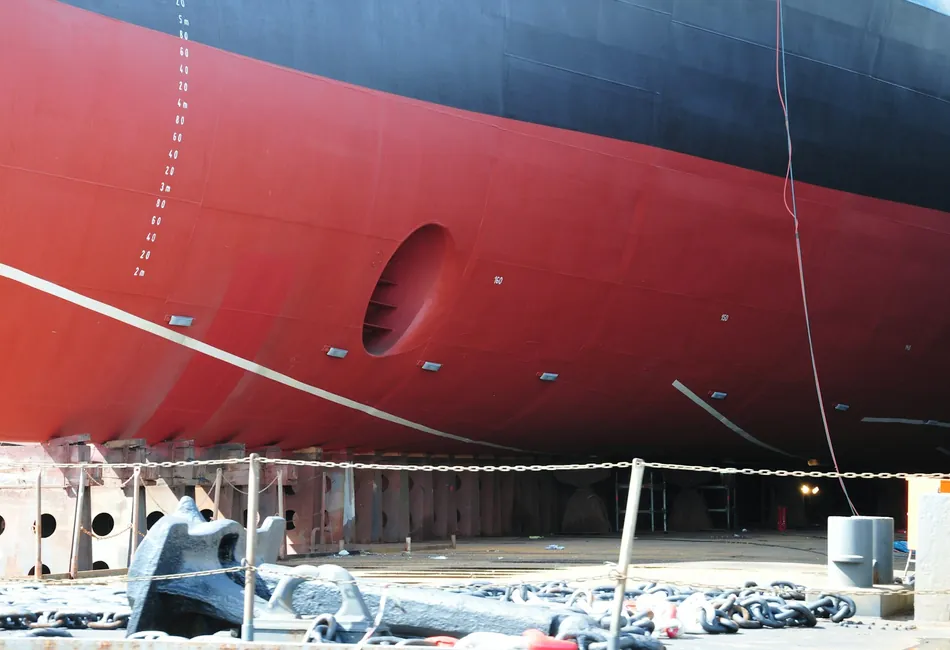
Many buyers ask the same question when they plan a refit: marine paint vs regular paint, is there really a difference? There is, and it decides how long steel survives at sea.
This guide explains seven practical differences. It is written for shipyards, boat builders, contractors and industrial buyers who coat steel vessels and structures, not for household projects.
Table of Contents
Marine Paint vs Regular Paint: The Short Answer
Regular paint is made for dry, mild conditions on land. Marine paint is made for salt, water, sun and movement. The two may look similar in the can. Once applied, they behave very differently.
In any marine paint vs regular paint comparison, the gap shows up in resin chemistry, pigment, film thickness and primer systems. These are the seven marine paint vs regular paint differences that matter most.
| # | Difference | Marine paint | Regular paint |
|---|---|---|---|
| 1 | Salt resistance | Built to resist chlorides and salt spray | Salt can attack the film and the steel |
| 2 | UV and weathering | UV-stable topcoats keep colour and gloss | Chalks and fades faster at sea |
| 3 | Flexibility | Handles hull movement and thermal cycling | Cracks on moving steel |
| 4 | Immersion | Epoxy barrier systems for wet service | Blisters and softens in water |
| 5 | Antifouling | Special systems stop marine growth | No protection from fouling |
| 6 | Curing and application | Specified film thickness, intervals, conditions | Simple, forgiving application |
| 7 | Cost over life | Higher price, longer service life | Lower price, short life at sea |
1. Salt Resistance
Salt is the first reason marine paint vs regular paint is not a fair fight. Chlorides in sea air and spray work through weak films and reach the steel, especially at damaged spots, edges and welds. Once they are under the paint, rust spreads quickly.
In the marine paint vs regular paint contest, marine primers and barrier coats are built to slow that process. They use dense, low-permeability resins and a controlled film thickness. Regular paint is porous by comparison.
A coating that is fine on a warehouse wall can fail in months on a ship’s deck.
Good results also depend on clean steel. Salts left on the surface are a common cause of blisters. Our guide to marine paint surface preparation explains how to remove them before coating.
2. UV and Weather Resistance
At sea, sunlight is stronger and reflects off the water. Heat, rain and spray add to the load. On the question of marine paint vs regular paint, regular paint often chalks, fades and loses gloss in a short time at sea.
Marine topcoats use UV-stable resins and pigments chosen for colour and gloss retention. On decks and superstructure, a finishing coat such as Bajak Alkyd Topcoat helps keep the surface protected and presentable on steel structures, machinery and equipment.
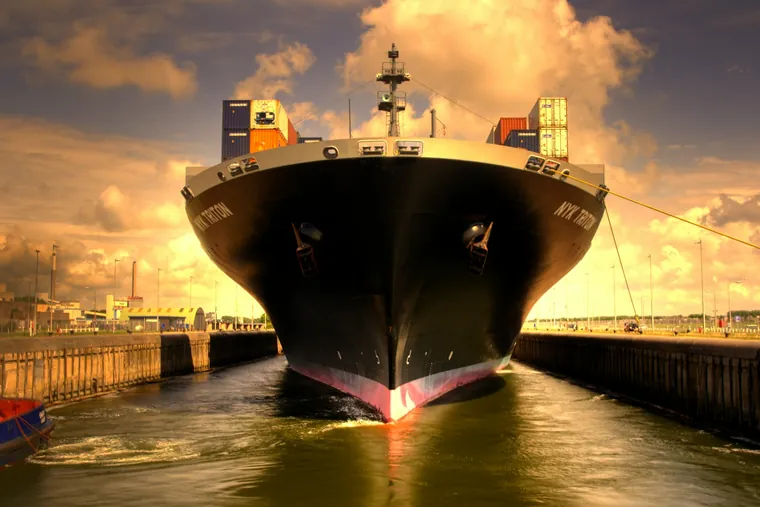
When you compare marine paint vs regular paint for outdoor steel, check UV and weathering data on the technical data sheet, not only the colour card.
3. Flexibility and Movement
A ship’s hull is never still. Steel flexes with waves, loading and temperature changes. Decks take heavy impacts and foot traffic.
The marine paint vs regular paint gap is also about movement. Marine systems are designed to keep adhesion while the steel moves. Regular paint tends to be harder and less tolerant, so it cracks and flakes at edges, welds and corners.
- Edges and welds: need stripe coats for full thickness.
- Decks: need abrasion resistance as well as flexibility.
- Tank interiors: face wet-dry cycles and temperature swings.
Cracking is one cause of early failure. Read more in our guide on why marine paint peels.
4. Immersion and Water Resistance
Rain on a wall is not the same as water on a hull. Below the waterline, paint is in contact with water all the time. Water pushes into weak films and forms blisters.
Marine systems for immersed steel use epoxy coatings as primers and barrier coats. They are chosen for low water absorption and strong adhesion.
This is where marine paint vs epoxy paint often confuses buyers. Epoxy is a resin family, not a full marine scheme. A complete system usually adds a topcoat or antifouling above the epoxy.
| Zone | Typical exposure | Typical system |
|---|---|---|
| Underwater hull | Constant immersion | Epoxy primer and barrier coat, then antifouling |
| Boot-top | Wet-dry cycles | Epoxy system with tougher topcoat |
| Topsides | Spray and UV | Epoxy primer, then polyurethane or alkyd topcoat |
| Deck | Traffic and impact | Epoxy system with abrasion-resistant finish |
The table is a general guide to marine paint vs regular paint choices by zone. The paint maker’s specification always decides the final system.
Marine-grade protection
Regular paint will not survive at sea. Use marine-grade coatings.
Discover Bajak marine paints made for salt water, immersion and heavy fouling.
5. Antifouling Protection
Barnacles, algae and shells grow on any surface left in the sea. Fouling adds drag, increases fuel use and damages coatings. Regular paint has no answer to it.
Marine systems solve this with antifouling paint, which release or control biocides to discourage growth, or with fouling-release coatings. Our guide to antifouling and anticorrosive paint explains how antifouling and anticorrosive layers work together.
For hulls, docks and submerged structures, a product such as Bajak Antifouling Paint is designed to prevent algae, barnacles and other marine organisms from growing on the surface.
Antifouling is the clearest line in the marine paint vs regular paint debate: only one of them has a product category for it. For a working vessel, that alone can settle the choice.
6. Curing, Application and Standards
In marine paint vs regular paint terms, marine coatings are far less forgiving to apply. Most are two-component products with a mixing ratio, pot life, film thickness and overcoating interval.
Application conditions matter as well. Steel must be dry, clean and above the dew point by the stated margin. Damp steel or a missed overcoating window can ruin a good paint.
- Prepare steel to the grade on the data sheet.
- Mix components exactly as instructed.
- Apply to the specified wet film thickness.
- Respect minimum and maximum overcoating intervals.
- Measure dry film thickness and record it.
Many projects follow recognised marine paint standards, which set surface preparation, coating tests and corrosion classes. A marine paint vs regular paint decision should always be checked against the project specification.
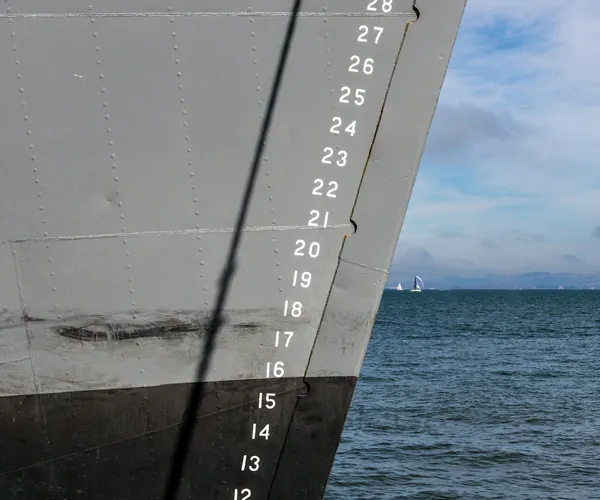
7. Cost Over the Life of the Vessel
Marine paint costs more per liter. That is true of almost every marine paint vs regular paint comparison. But the paint is a small part of the real cost of a coating job, so marine paint vs regular paint is really a lifecycle question.
Repainting a ship means dry-docking, access, blasting, preparation, labor and downtime. If a cheap coating fails early, you repeat all of that. A longer-lasting system usually lowers total cost over the life of the vessel.
- Material cost: higher for marine-grade systems.
- Labor and docking: usually the largest part of the job.
- Downtime: every extra repaint cycle takes the vessel out of service.
- Fuel and maintenance: a clean, smooth hull helps keep running costs down.
To compare real numbers for your project, read our guide to marine paint cost per liter.
How to Choose the Right Marine Paint
Before you settle the marine paint vs regular paint question for a project, start with the zone, the steel condition and the service life you need. Then work through a simple checklist.
- Zone: hull, boot-top, deck, tanks or superstructure.
- Surface: new steel, blasted steel or old coating.
- Exposure: immersion, splash zone or atmospheric.
- System: primer, intermediate and topcoat from one maker.
- Documents: data sheets and specification to match.
Marine paint vs regular paint is rarely a close call for steel vessels. The question that matters is which marine system fits each zone. You can compare options in our marine paint range.
Frequently Asked Questions
What is the difference in marine paint vs regular paint?
Marine paint is formulated for salt, constant moisture, strong UV and hull movement. Regular paint is designed for dry, mild, land-based conditions. In marine service, regular paint usually blisters, chalks, rusts through or peels early, because its resin and pigment system was never designed for that exposure.
Can you use house paint on a boat?
It is not recommended for any vessel that works in the sea. House paint lacks the salt, UV and immersion resistance that marine paint is built for. For commercial and industrial vessels, use a marine-grade system chosen for each zone: hull, deck, tanks and superstructure, with a compatible primer.
Is marine paint the same as exterior paint?
No. Exterior paint handles rain and sun on buildings, but not salt spray, immersion or constant flexing of steel. Marine paint vs exterior paint differs in resin choice, film thickness and primer system, so exterior paint on a hull will usually fail much sooner than a proper marine-grade coating.
Is marine paint the same as epoxy paint?
Not exactly. Epoxy is one resin type, and many marine systems use epoxy primers and barrier coats. But a full marine scheme also needs topcoats and often antifouling. So marine paint vs epoxy paint is not a one-or-the-other choice: epoxy is usually one layer inside the marine system.
Why is marine paint more expensive than regular paint?
Marine paint uses higher-grade resins, more pigment and additives, and is tested for harsher service. Its price per liter is higher, but the cost over the life of the vessel can be lower, because repainting a ship needs dry-docking, blasting and labor, which are far larger costs than the paint itself.
Do all parts of a ship need the same marine paint?
No. Underwater hulls, boot-top areas, decks, tanks and superstructure each face different conditions. A hull needs an anticorrosive system with antifouling. A deck needs abrasion resistance and grip. A superstructure needs colour and gloss retention. Follow the paint maker’s specification for each area.
Conclusion: Use Marine-Grade Paint Where the Sea Is Involved
The seven differences show why marine paint vs regular paint is not about brand or colour. It is about salt, sun, movement, water, fouling, application and long-term cost.
Ready to choose a marine-grade system? Browse the Marine Paint category, or contact the Stock Sanaat team with your vessel type, zone and delivery location. We will help you match the right primer, barrier coat and topcoat.
Recent Posts