
Stock Sanat Specialized Magazine


A ship hull faces salt, sun, water and constant movement. One can of paint cannot handle all of that. A marine coating system solves the problem by using several layers, each doing one job.
This guide explains the three core layers: primer, epoxy and topcoat. It also gives an example scheme for each part of a vessel. It is written for shipyards, boat builders, contractors and industrial buyers.
Table of Contents
What Is a Marine Coating System?
A marine coating system is a planned stack of compatible layers. The layers are chosen together, applied in a set order and cured within set time limits. The coats are not independent products. They work as one protective skin.
Many buyers still think of a marine paint system as a single product with a colour. In practice, the colour is only the last layer. Most of the protection sits underneath it.
Marine paint is not one coat of one product. It is a system, and the system is only as strong as its weakest or least compatible layer.
Each layer has a clear role:
- Primer: bonds to steel and stops corrosion at the surface.
- Epoxy intermediate coat: builds thickness and blocks water and salt.
- Topcoat: resists sunlight, weather and wear, and gives the final colour.
- Antifouling coat: prevents marine growth below the waterline.
Why One Coat Is Never Enough
A single coat cannot carry every property at once. A film hard enough to block salt water is often too brittle to hold gloss in the sun. A film that holds colour in the sun is often too thin to stop moisture.
Splitting the job across layers lets each product do what it does best. That is why every protective marine coating relies on stacked layers rather than one thick coat.
Think of a ship in service. The hull sits in water, the deck takes foot traffic, and the tanks hold cargo or ballast. A good marine coating system treats each of these as a different problem.
Layer 1: The Primer
The primer is the first coat on bare, blasted steel. It must grip the metal and slow corrosion at the point where rust starts. Without a sound primer, every layer above it can fail.
Zinc-Rich Epoxy Primer
Zinc-rich primers hold a high share of zinc dust in an epoxy binder. The zinc acts as a sacrificial layer, so it corrodes before the steel does. This gives protection even if the film is scratched.
For heavy-duty steel, Bajak 65% Zinc-Rich Epoxy is a typical choice. It is a two-component product with 65% zinc content, designed as a primer for demanding industrial systems. Our guide to zinc-rich primer for marine steel explains where it fits best.
Why Surface Preparation Comes First
Even the best primer needs clean steel. Rust, oil, salt and old coatings block adhesion. Most manufacturers ask for abrasive blasting to a stated cleanliness grade and surface profile.
Our article on marine paint surface preparation covers the steps in detail. Treat preparation as part of the system, not as a separate job.
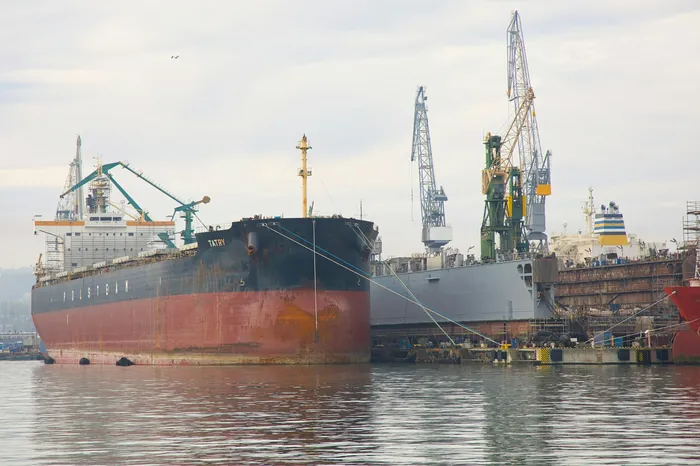
Layer 2: The Epoxy Intermediate Coat
The epoxy coat sits between primer and topcoat. It adds film thickness and works as a barrier. Water, oxygen and salts need to pass through the film to reach steel, and a thick epoxy layer slows that path.
Epoxy also bonds well to most primers. That is why the primer, epoxy and topcoat sequence is so common in industrial and marine work. It is a proven base for most steel schemes.
What the Epoxy Layer Does
- Builds up dry film thickness with fewer coats.
- Resists water, salt and many chemicals.
- Gives a strong surface for the topcoat to grip.
- Adds impact and abrasion resistance.
The Limit of Epoxy
Epoxy has one weakness. Sunlight breaks down the surface, and the film chalks and fades. For this reason, epoxy is rarely left as the final coat on exposed areas. A UV-stable topcoat goes over it.
Because many layers are epoxy, they share the same chemistry. That is one reason a marine paint system from one maker works so reliably. The layers were developed to bond to each other.
Layer 3: The Topcoat
The topcoat faces the weather. It resists UV light, keeps colour and gloss, and takes scuffs and washing. It also carries the visible finish of the vessel or structure.
Topside and superstructure areas often use an acrylic or alkyd finish. Bajak Acrylic Topcoat offers weather resistance, colour retention and strong adhesion. Bajak Alkyd Topcoat is another option for steel areas with milder service needs.
Always check which topcoat the primer and epoxy are approved to carry. Some topcoats need a fixed recoat window to bond. Missing that window can mean sanding before the next coat.
Antifouling Paint Below the Waterline
Underwater, a decorative topcoat is not enough. Algae, barnacles and shells attach to bare hulls and increase drag. antifouling paints are applied as the last coat on the submerged hull to release biocide or resist fouling over time.
Bajak Antifouling Paint is made to prevent growth of algae, barnacles and other marine organisms on hulls, docks and submerged structures. For the difference between this layer and the corrosion layers, see antifouling and anticorrosive paint.
Coating systems
Build a complete marine coating system with one supplier.
From primer to topcoat and antifouling, Stock Sanat Caspian supplies matched Bajak products. Tell us your project to get started.
Example Marine Coating System by Zone
A vessel is not one environment. The table below shows a typical marine coating system scheme for each zone. Treat it as a starting point and always confirm the layers and thickness with the manufacturer’s technical data sheets.
| Zone | Primer | Intermediate coat | Final coat |
|---|---|---|---|
| Underwater hull | Zinc-rich or epoxy anticorrosive primer | Epoxy barrier coats | Antifouling paint |
| Waterline and boot-top | Epoxy primer | Epoxy build coat | Wear-resistant topcoat or antifouling |
| Topsides and superstructure | Epoxy or zinc-rich primer | Epoxy build coat | Acrylic, alkyd or polyurethane topcoat |
| Decks | Epoxy primer | Epoxy build coat | Hard-wearing topcoat, often non-slip |
| Ballast and cargo tanks | Epoxy primer | Tank-grade epoxy coats | Tank-grade epoxy finish |
Tank coatings follow a different logic because of immersion and cargo chemistry. Read about the main types of tank coatings to see how those schemes differ.

Why Use One Manufacturer for Every Layer
Compatibility is the hidden risk in any marine paint system. Resins, solvents and hardeners from different brands may not bond well. The result can be lifting, wrinkling, poor adhesion or early blistering.
Choosing one manufacturer for all layers brings clear advantages:
- Tested compatibility: the layers were designed and tested together.
- Clear recoat times: one data sheet set covers the whole scheme.
- One point of responsibility: if there is a problem, it is clear who answers.
- Simpler purchasing: one supplier, one delivery, one technical contact.
This is the logic behind the Bajak range. You can match primer, epoxy and finish products from a single marine paint range instead of testing combinations yourself.
Common Mistakes in a Marine Coating System
- Skipping surface preparation. Paint over rust or salt will fail early.
- Missing the overcoating window. Too long or too short a wait weakens the bond.
- Mixing brands without approval. Incompatible layers can lift or blister.
- Applying too thin a film. Thin coats lose the barrier effect.
- Using epoxy as the final coat outdoors. It chalks and fades in sunlight.
- Ignoring the weather. Damp steel and cold surfaces harm adhesion and cure.
Most failures trace back to one of these points, not to the paint itself.
How to Choose a Marine Coating System
Use these steps to select a marine coating system for a new project or a refit:
- List the zones: hull, waterline, topsides, deck, tanks.
- Note the exposure for each zone: immersion, splash, sun, traffic or cargo.
- Choose a primer that suits the prepared steel.
- Select an epoxy build coat approved for that primer.
- Pick a topcoat or antifouling coat for the final exposure.
- Check that all layers come from one manufacturer.
- Confirm recoat times and film thickness on the data sheets.
If you are unsure, send us the vessel type, zones and location. A short brief is enough to start a recommendation.
Marine Coating System FAQ
What is a marine coating system?
A marine coating system is a set of compatible paint layers applied in order: primer, one or more intermediate epoxy coats, and a topcoat. Each layer has a separate job, from corrosion protection to UV resistance. Together they protect steel from salt water, moisture, sunlight and mechanical damage.
How many coats does a marine paint system need?
Most marine paint systems use three to five coats, depending on the zone. A typical scheme has a primer, one or two epoxy build coats and a topcoat. Underwater areas add an antifouling coat. Always follow the manufacturer’s data sheet for the exact number of coats and film thickness.
What is the correct order of primer, epoxy and topcoat?
Apply the primer first, directly on prepared steel. Next comes the epoxy intermediate or barrier coat, which builds film thickness and blocks moisture. The topcoat goes on last and resists sunlight, weather and abrasion. Observe the overcoating window between layers so each coat bonds properly.
Can I mix paint brands in one marine coating system?
It is risky. Different brands use different resins, solvents and curing agents, so layers may not bond or may lift and blister. Using one manufacturer for every layer keeps the compatibility, overcoating times and warranty clear. If mixing is unavoidable, get written compatibility approval first.
Why is surface preparation part of the system?
Paint can only perform as well as the surface beneath it. Rust, salt, oil and mill scale stop adhesion and cause early failure under the best primer. Abrasive blasting to the specified cleanliness and profile is usually the first step of any marine coating system and often decides its service life.
Does the topcoat need to be epoxy?
Usually not. Epoxy gives excellent barrier protection but chalks and fades in sunlight, so exposed areas normally get an acrylic, alkyd or polyurethane topcoat instead. Below the waterline, an antifouling coat takes the place of a decorative topcoat. The right choice depends on the zone.
Conclusion: Build the System, Not Just the Coat
A good marine coating system is a set of compatible layers: primer for adhesion and corrosion control, epoxy for the barrier, and a topcoat or antifouling coat for the final exposure. Choosing one manufacturer keeps those layers working together.
Ready to specify a system? Browse the Marine Paint category, or contact the Stock Sanaat team with your vessel type and zones. We will help you match the primer, epoxy and topcoat.
Recent Posts