
Stock Sanat Specialized Magazine

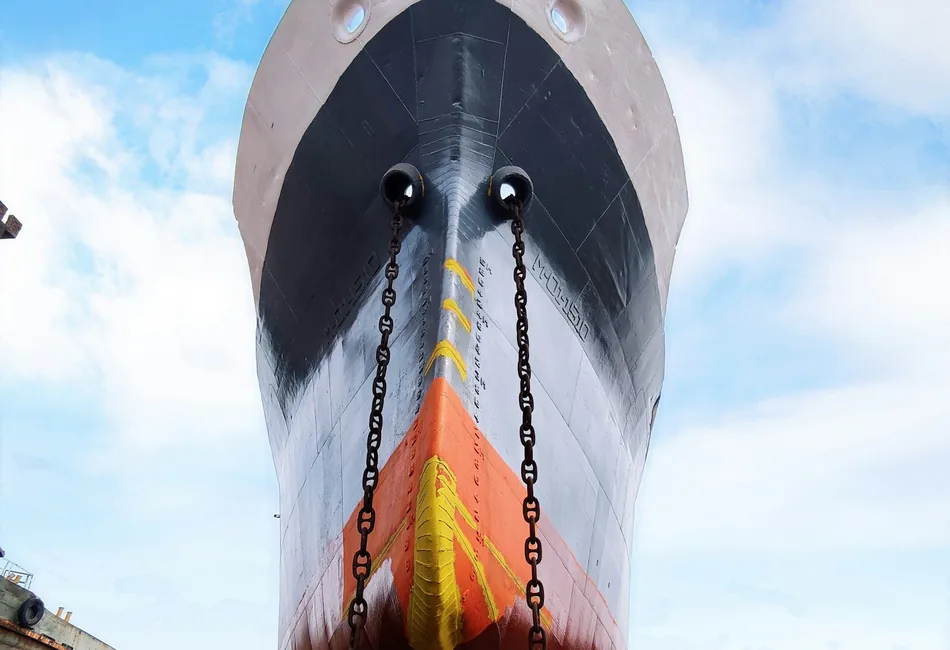
A hull coating failure is expensive. It means another dry-docking, lost days and rework. Knowing how to paint a ship hull correctly, in the right order, is what prevents it.
This guide shows how to paint a ship hull in the full coating process for a steel hull, step by step. It is written for yard managers, boat builders and contractors.
Table of Contents
How to Paint a Ship Hull: Overview of the Process
The ship hull painting procedure is never about one paint. A ship hull is protected by layers. It is protected by a system of layers. Each layer has a job, and each depends on the one below it.
The usual order for a steel hull is simple:
- Prepare the steel and the conditions.
- Apply a corrosion-protective primer.
- Build film thickness with epoxy coats.
- Apply antifouling below the waterline.
- Apply a topcoat on the topsides and above.
- Inspect and record film thickness.
Skipping or rushing any step of how to paint a ship hull shortens the life of the whole system. For the bigger picture, read our guide to the marine coating system.
Step 1: Plan the System Before You Paint a Ship Hull
Start on paper, not with a brush. How to paint a ship hull begins with the plan. Choose the full system before the first coat goes on, and keep every layer compatible. Mixing unrelated brands is a common cause of peeling.
Choose a compatible system
Ask the paint supplier for a system recommendation for your vessel type, trading area and docking cycle. Confirm that primer, build coat, antifouling and topcoat are approved to be used together. Our marine paint category helps you compare options.
Check the weather and the steel
The conditions decide how to paint a ship hull successfully. Coatings need good conditions to cure. Check these before every coat:
- Steel temperature: keep it above the minimum on the data sheet.
- Dew point: the steel should be at least 3 °C above it, so no moisture forms on the surface.
- Humidity and wind: avoid rain, fog and strong wind carrying dust.
- Surface: it must be dry and clean at the moment of application.
Condensation you cannot see can still ruin adhesion. If in doubt, measure the steel and dew point and delay the coat.
Step 2: Clean the Hull and Prepare the Steel Surface
Surface preparation decides how long the coating lasts, whatever your method of how to paint a ship hull. Most early failures start here, not in the paint itself.
Wash, degrease and remove salts
The first task in how to paint a ship hull is cleaning. Pressure-wash the hull with fresh water to remove marine growth, dirt and soluble salts. Degrease any oily areas. Salts left on steel can draw moisture under the film and cause blisters later.
Abrasive blast to the specified standard
Most hull specifications call for abrasive blasting to a defined cleanliness, such as Sa 2.5 in ISO 8501-1. Blasting removes rust, mill scale and failed coatings. It also gives the steel a surface profile that helps the primer grip.

Remove all blast dust before coating. Then check the profile and cleanliness against the specification. For more detail, see our guide to marine paint surface preparation.
| Preparation task | Why it matters |
|---|---|
| Fresh-water wash | Removes salts, dirt and marine growth |
| Degreasing | Oil and grease stop coatings from bonding |
| Abrasive blasting | Removes rust and gives surface profile |
| Dust removal | Loose dust weakens adhesion of the first coat |
| Inspection | Confirms the surface meets the specification |
Plan to prime the steel quickly after blasting. Freshly blasted steel can start to flash rust within hours in humid coastal air.
Step 3: Prime the Steel for How to Paint a Ship Hull Correctly
In any plan for how to paint a ship hull, the primer is the first line of defence against rust. On steel hulls it is often a zinc-rich epoxy that gives sacrificial protection if the film is damaged. Learn more in our article on zinc-rich primer for marine steel.
A product such as Bajak 65% Zinc-Rich Epoxy is designed for this role on prepared steel. Always read the data sheet for mixing ratio, pot life, thinning and thickness.
Film thickness and pot life
Apply the primer evenly, as in any how to paint a ship hull job, and measure wet film thickness as you go. Mix only what you can apply within the pot life. Do not re-use paint that has started to gel.
When you paint a ship hull, pay special attention to edges, welds, corners and bolts. These are the places where coatings thin out first and corrosion starts first.
Step 4: Build the Film with Epoxy Coats
In how to paint a ship hull, epoxy coats give the hull its thickness and barrier protection. They keep water and salts away from the steel. This is the part of the system that does the heavy work.
A two-pack product such as Bajak Epoxy Polyamide Coating is typical for the build coats. Apply two or more coats, depending on the specification.
Stripe coat the difficult areas
Before each full coat, apply a stripe coat by brush to edges, welds, scallops and cut-outs. This gives those areas the extra thickness that spray application leaves out.
Respect overcoat intervals
Every product has a minimum and a maximum overcoat interval. They change with temperature. Check them for the actual conditions on the day.
- Too early: solvent is trapped and the film stays soft.
- Too late: the film becomes hard and smooth, and the next coat may not bond.
- If the window is missed: follow the data sheet, which usually means abrading the surface first.
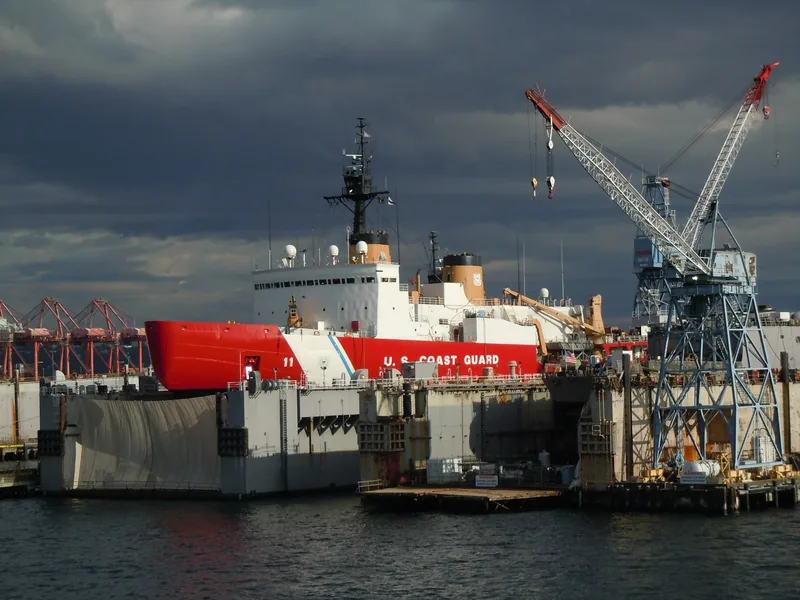
Hull painting
Ready to paint your ship hull?
Get a complete Bajak system for your hull: primer, epoxy and antifouling. Our team will help you plan quantities and products.
Step 5: Apply Antifouling Below the Waterline
When you learn how to paint a ship hull, remember that antifouling goes on the part that stays under water. Its job is to stop barnacles, algae and slime from settling, which keeps the hull smooth and efficient.
Your plan for how to paint a ship hull should name the antifouling. Use one that suits the vessel’s speed and activity. A product such as Bajak Antifouling Paint is made for ship hulls and submerged structures. Apply it within the recoat window of the epoxy beneath it.
Keep the antifouling film thickness in line with the data sheet. A film that is too thin may not last the full docking cycle.
Step 6: Topcoat the Topsides and Boot-Top
In how to paint a ship hull, the topsides matter too. Above the waterline the hull faces sun, spray and wear. The topcoat resists weathering and keeps colour and gloss. It also protects the epoxy underneath from UV light.
Whatever your approach to how to paint a ship hull, use a topcoat approved for your system, and apply it within its window over the epoxy. Mask the waterline carefully so the antifouling and topcoat meet cleanly.
Typical Hull Coating System by Zone
How to paint a ship hull depends on the zone. Hull zones face different conditions, so each needs a different finishing layer. The table below summarises a typical layout.
| Hull zone | Typical system | Main purpose |
|---|---|---|
| Underwater (bottom) | Primer, epoxy build coats, antifouling | Corrosion barrier and fouling control |
| Boot-top / waterline | Primer, epoxy build coats, resistant finish | Wet and dry cycling, abrasion |
| Topsides | Primer, epoxy build coats, topcoat | Weathering and appearance |
| Decks and superstructure | Primer, epoxy, topcoat as specified | Wear and UV resistance |
Always confirm the exact system with the supplier and the vessel specification. Ship hull coatings are chosen per vessel, not per catalogue.
How to Paint a Boat Hull Made of Steel
Boat builders ask how to paint a boat hull made of steel. The sequence is the same as how to paint a ship hull: clean, blast or grind, prime, build with epoxy, then add antifouling and topcoat.
On smaller hulls, brush and roller application is common. This makes film thickness harder to control, so measure it often and apply extra coats where the data sheet requires. Keep products from one system, and respect the same overcoat intervals.
Inspect and Record Film Thickness After You Paint a Ship Hull
Inspection closes the job of how to paint a ship hull. Measure dry film thickness with a calibrated gauge and compare it with the specification. Record results by zone.
- Check coverage on edges, welds and corners.
- Look for runs, sags, pinholes and missed areas.
- Repair defects before the next coat or before launch.
- Keep batch numbers, readings and weather records.
Good records of how to paint a ship hull protect you if a claim arises. They also help plan the next maintenance cycle. See also: how often to repaint a ship hull.
Common Mistakes When Painting a Steel Hull
- Painting over salts, oil or dust.
- Ignoring dew point and steel temperature.
- Missing the overcoat window.
- Skipping stripe coats on edges and welds.
- Applying too thin a film to save paint.
- Mixing unrelated products in one system.
Most of these mistakes in how to paint a ship hull can be avoided with a clear plan and a close reading of the manufacturer’s data sheet.
Where to Find Bajak Marine Coatings
If you plan how to paint a ship hull, note that Stock Sanaat supplies Bajak coatings for industrial and marine buyers, including primers, epoxy coatings and antifouling. Ask for the data sheets and a system recommendation for your vessel before you order.
Frequently Asked Questions
How do you paint a ship hull?
Prepare the steel first: wash it, remove salts and grease, then blast to the specified cleanliness. Apply the primer, then the epoxy build coats, then the antifouling below the waterline and a topcoat above it. Respect the film thickness and overcoat intervals on the data sheet at every stage.
What is the best paint for a steel ship hull?
There is no single best paint. A steel hull needs a system: a corrosion-protective primer, epoxy build coats, antifouling for the underwater area and a weather-resistant topcoat above the waterline. The best choice is the system that suits the vessel, trading area and dry-docking cycle, from one compatible manufacturer.
How many coats does a ship hull need?
It depends on the specification. A typical steel hull system has a primer, two or more epoxy build coats and one or two antifouling or topcoat layers. The number of coats matters less than reaching the specified dry film thickness. Always follow the paint data sheet and the owner’s specification.
Can you paint a ship hull in the water?
Normally no. The hull must be clean, dry and free of salts to give good adhesion, so full coating work is done in dry dock or on a slipway. Some limited underwater cleaning and maintenance is possible, but it is not a substitute for a properly prepared and coated hull.
How do you paint a boat hull made of steel?
The process is the same as for a ship, scaled down. Blast or grind the steel clean, apply a primer, build up epoxy coats, then add antifouling below the waterline and a topcoat above it. Use products from one system and follow the recoat window on the data sheet.
What surface preparation does a steel hull need before painting?
The steel must be clean, dry and free of oil, salts and loose rust or old paint. Most hull specifications call for abrasive blasting to a defined standard such as Sa 2.5, plus a suitable surface profile. Dust is removed before the first coat is applied.
How long must you wait between hull coats?
Wait at least the minimum overcoat interval on the data sheet, and do not exceed the maximum. Too soon traps solvent. Too late leaves a hard, glossy surface that the next coat cannot bond to. The intervals change with temperature, so check them against the actual conditions on the day.
Conclusion: A Good Hull Coating Starts with Good Preparation
Now you know how to paint a ship hull in the right order: prepare, prime, build, protect and finish. Each step supports the next, and the data sheet sets the limits.
Need help with a hull coating project? Request data sheets for Bajak 65% Zinc-Rich Epoxy and Bajak Epoxy Polyamide Coating, or contact the Stock Sanaat team with your vessel details. We will help you match the right system.
Recent Posts