
Stock Sanat Specialized Magazine

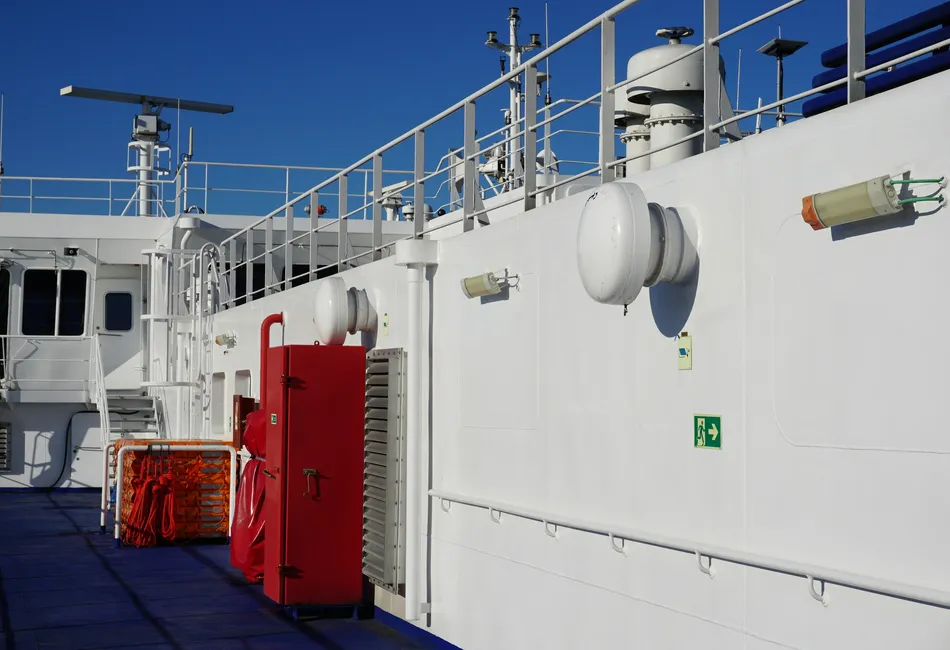
The last coat on a ship is the one the sun, salt and crew actually touch. Pick the wrong one and you repaint sooner, lose docking days and pay twice for access.
This guide compares acrylic vs polyurethane topcoat for hull sides above the waterline, superstructure and decks. It is written for shipowners, superintendents and repair yard contractors who must choose before ordering.
Table of Contents
Acrylic vs Polyurethane Topcoat: The Short Answer
In the acrylic vs polyurethane topcoat decision, neither product wins everywhere. Polyurethane is usually the stronger choice for harsh exposure, long gloss life and hard-wearing surfaces. Acrylic is usually the simpler, faster and cheaper choice for light-duty areas and quick repaints.
Stock Sanat Caspian, the exclusive Bajak representative since 2020, supplies both. So this comparison has no reason to push one product. The right answer depends on where the paint goes, how long it must last and how fast the yard has to work.
| Factor | Acrylic topcoat | Polyurethane topcoat |
|---|---|---|
| Packaging | Usually one component | Two components: base plus hardener |
| Application | Simple and forgiving | Needs mixing, pot life control and good ventilation |
| Gloss and colour retention | Good | Very good; the main reason to choose it |
| Hardness and abrasion resistance | Moderate | Higher |
| Chemical and washdown resistance | Limited | Better |
| Price per litre | Usually lower | Usually higher |
| Best fit | Light-duty areas, touch-ups, fast turnaround | Exposed superstructure, hull sides, decks, long cycles |
The table shows how an acrylic vs polyurethane topcoat differs in general. Exact values change from product to product, so confirm them in the technical data sheet (TDS) of the paint you buy.
What Is an Acrylic Marine Topcoat?
An acrylic marine topcoat dries as solvent leaves the film. It does not need a hardener to cure, which keeps application simple. It is also easy to touch up, because new paint blends into the old film.
The trade-off is toughness, and in an acrylic vs polyurethane topcoat comparison it is the biggest gap. An acrylic film is generally softer than a cross-linked polyurethane film. It tolerates strong solvents, fuel spills and heavy abrasion less well.
Where acrylic makes sense
- Accommodation exteriors and areas with low wear
- Store rooms, casings and other light-duty steel
- Quick maintenance repainting when the ship cannot wait
- Projects where the budget per litre is the main limit
Bajak Acrylic Topcoat is described by the manufacturer as an acrylic finishing coat with weather and UV resistance, colour and gloss retention, fast drying and a smooth finish. It suits steel structures and industrial equipment. It is listed in our marine paint range.
What Is a Polyurethane Topcoat for Ships?
A polyurethane topcoat for ships is a two-component finish. The base and the hardener are mixed on site just before use. They react and form a hard, tightly bonded film that resists weather, washing and wear.
Bajak Polyurethane Topcoat (Bajathane) follows this pattern. It is supplied with its own hardener and applied as the final coat over primed steel and epoxy undercoats. Typical marine uses are decks and superstructure above the waterline.
What the crew must manage
Two-component paint brings two jobs. The first is pot life: mixed paint has a limited working time, so only mix what the crew can apply. The second is safety. Polyurethane hardeners are normally isocyanate based, so follow the safety data sheet for ventilation and respiratory protection.
Mixing ratio, pot life and film thickness differ by product. Take them from the Bajak TDS, not from a general guide.
Gloss Retention: Acrylic vs Polyurethane Topcoat in Gulf Climate
Gloss retention is how long a finish keeps its shine and colour under sun and weather. In the Persian Gulf, ships face strong UV, high heat, humidity and salt spray at the same time. Over the years, UV breaks down the binder, the surface turns dull and chalky, and colour fades.
Aliphatic polyurethane topcoats are widely chosen for outdoor work because they hold gloss and colour well. Acrylic topcoats also resist UV and keep a good look for a long time. In an acrylic vs polyurethane topcoat comparison for UV life, the polyurethane finish is generally the one that stays cleaner and brighter.
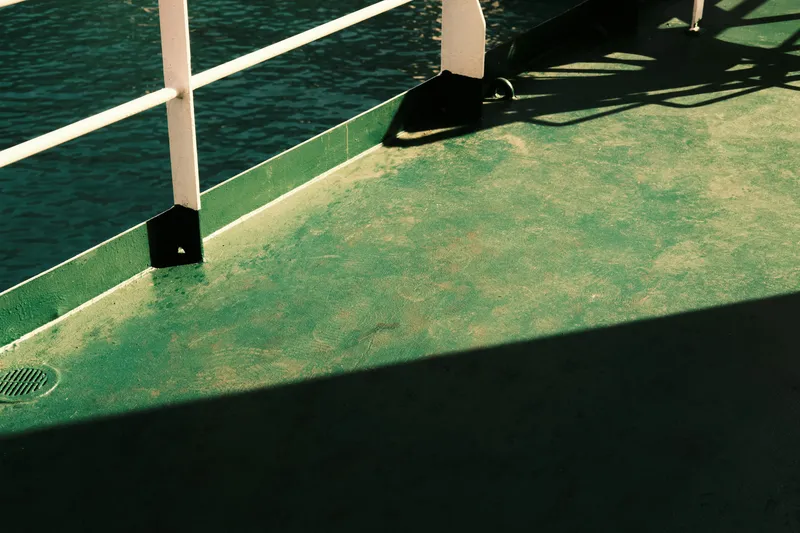
If the ship is white, light grey or any colour where fading shows, gloss retention weighs heavily in the acrylic vs polyurethane topcoat choice. A dull superstructure also holds dirt more easily, which makes cleaning harder.
Durability, Hardness and Chemical Resistance
A topcoat protects the coats beneath it from impact, scuffing and washing. Decks and hull sides above the waterline see ropes, chains, fenders, cleaning agents and occasional fuel or oil spills.
For durability, an acrylic vs polyurethane topcoat check favours polyurethane: its film is harder and more chemical resistant, so it usually lasts longer in these zones. An acrylic film is fine where wear is low, but it marks more easily. Repairing a damaged finish means access, staging and labour. That cost often exceeds the price of the paint.
For deck areas with heavy walking traffic, ask us about the full system. A non-slip finish and the topcoat should be specified together.
Topcoat selection
Choosing between acrylic and polyurethane topcoats?
Bajak topcoats are available for decks, superstructures and industrial steel. Get advice matched to your exposure and finish needs.
Recoat Time, Application and Cure
On a busy yard, acrylic is the easier of the two. It needs no mixing, and the crew can recoat or touch up without a strict pot life. Polyurethane asks for more discipline. Mix only what you can apply, and keep the surface free of moisture, because water can react with the hardener and spoil the film.
Check dew point and steel temperature before spraying either paint. Our guide to marine paint cure time explains touch-dry, recoat and full cure stages.
This guide does not quote recoat intervals or dry film thickness. The Bajak product pages list colours, film thickness, drying times and mixing ratio as items to confirm in the TDS. Ask our team for the sheet that matches your project.
Cost: Price per Litre vs Cost per Year
Polyurethane usually costs more per litre than acrylic. That is not the whole picture. The paint is only one part of a repaint job. Dry-dock days, staging, blasting and labour often cost more than the topcoat itself.
If a polyurethane finish lets the ship go longer before the next repaint, the higher price per litre can lower the yearly cost. Judge the acrylic vs polyurethane topcoat price gap over the whole repaint cycle. If the area is low-risk, or a repaint is already planned soon, acrylic can be the smarter buy. For price drivers in general, see our article on marine paint cost per liter.
Prices depend on volume, colour and pack size, so request a quote for your acrylic vs polyurethane topcoat order, with your area and the coating system you plan to use.
How to Choose Between Acrylic vs Polyurethane Topcoat
Use these cases as a starting point for your acrylic vs polyurethane topcoat specification.
- Hull sides above the waterline on a seagoing ship: choose polyurethane for gloss, hardness and long cycles.
- Superstructure, funnel and exposed steel: choose polyurethane when appearance and UV life matter.
- Decks with traffic and washdown: choose polyurethane, with a suitable non-slip system if needed.
- Accommodation exteriors and low-wear areas: acrylic is usually enough.
- Fast touch-ups and tight budgets: acrylic saves time and cost.
Two more checks apply to every acrylic vs polyurethane topcoat choice. First, test compatibility with the existing paint, because some old films lift under strong solvents. Second, make sure the topcoat matches the primer and epoxy beneath it. Our guide to the marine coating system shows how the layers fit, and the marine paint types guide compares the main families.
A third option is an alkyd finish for general protective work. You can see these in our alkyd paints range.
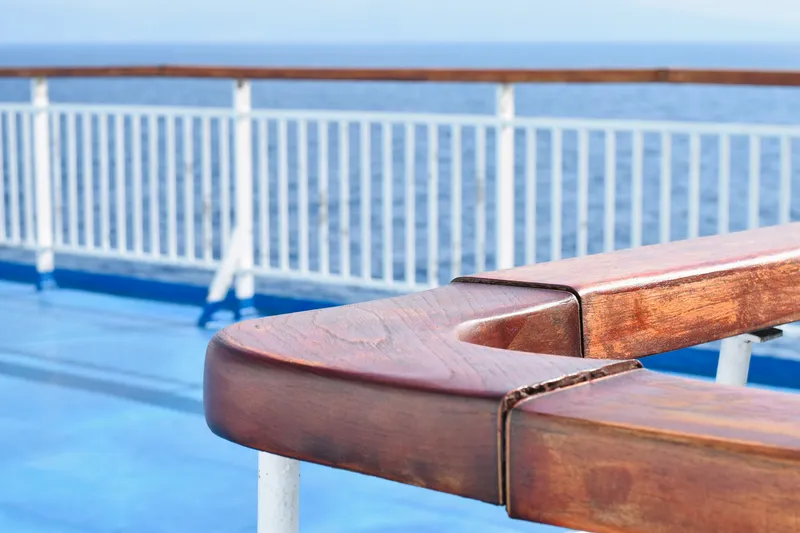
Topcoat Cannot Fix a Weak System
Whichever side of the acrylic vs polyurethane topcoat debate you choose, a topcoat is only as good as the layers under it. Poor surface preparation, a missed primer or a wet substrate will cause blistering and peeling whichever finish you use. Treat the topcoat as the last step of a complete system, not as a repair for earlier mistakes.
For background on the chemistry, see the general overview of polyurethane materials. For marine use, always follow the Bajak data sheets.
Frequently Asked Questions
What is the main difference between acrylic and polyurethane topcoat?
Acrylic is usually a simple, fast-drying finish that dries as solvent leaves. Polyurethane is a two-component finish that cures with a hardener into a harder film. In general, polyurethane lasts longer in harsh exposure, while acrylic is easier and cheaper to apply.
Which is better for ships in the Persian Gulf: acrylic vs polyurethane topcoat?
For exposed hull sides and superstructure, polyurethane is usually the better choice because it holds gloss and colour under strong UV, heat and salt. Acrylic still works for low-wear areas and quick repainting. Match the choice to the area, the budget and the planned repaint cycle.
Is polyurethane topcoat more expensive than acrylic?
In an acrylic vs polyurethane topcoat price comparison, polyurethane usually costs more per litre, because it is a two-component product. The yearly cost can still be lower if it extends the time between repaints. Prices depend on volume, colour and pack size, so send us your area for a quote.
Can I apply polyurethane topcoat over acrylic paint?
It depends on the condition and type of the old film. Strong solvents in the new coat can lift some old paint. Always test a small patch first and check the product data sheet. When in doubt, ask our team before you order.
What is gloss retention in a marine topcoat?
Gloss retention is how long a topcoat keeps its shine and colour while exposed to sun, salt and weather. A finish with good gloss retention fades and chalks more slowly, stays cleaner and looks better between repaints. Polyurethane is generally the stronger option here.
Does Stock Sanat Caspian supply both Bajak topcoats?
Yes. Stock Sanat Caspian is the exclusive Bajak representative since 2020 and supplies Bajak Acrylic Topcoat and Bajak Polyurethane Topcoat. Send us your area and coating system, and we will recommend a finish and send the technical data sheets.
Request a Quote for Your Marine Topcoat
Tell us the area, the colour and the coating system for your acrylic vs polyurethane topcoat decision. We will recommend the right finish and send the technical data sheets with your quote.
Recent Posts