
Stock Sanat Specialized Magazine

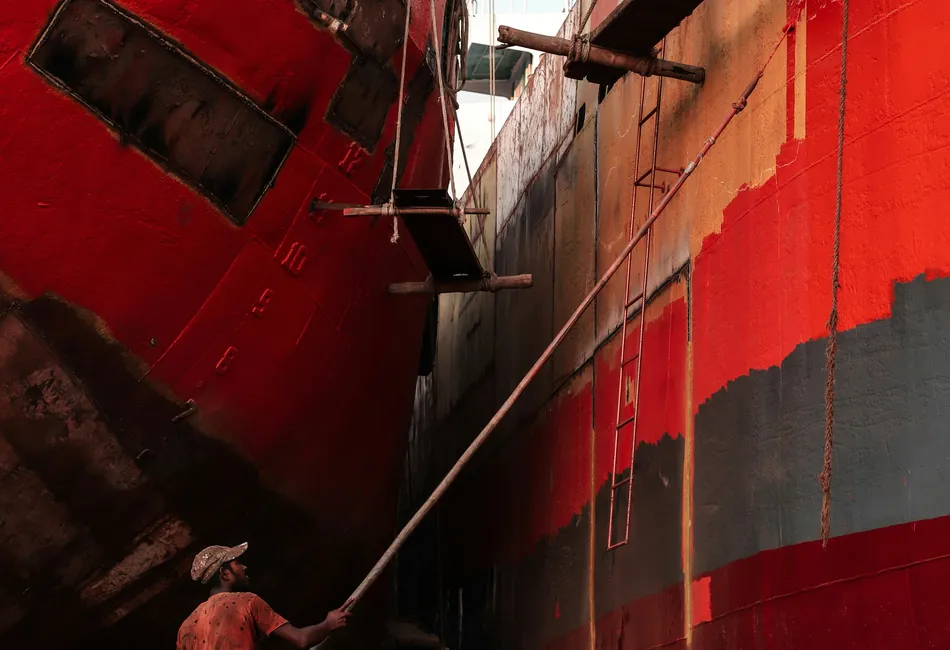
Good marine paint compatibility means a new coat bonds to the old one. A wrong pairing on a ship shows up months later as lifting, cracking or peeling, often after the vessel is back at sea.
This guide explains marine paint compatibility for epoxy, alkyd, polyurethane, acrylic and antifouling coatings. It is written for shipowners, superintendents and dry dock contractors who must decide what goes over what before they order paint.
Table of Contents
What Marine Paint Compatibility Means
Marine paint compatibility is the ability of a new coat to bond to the coat under it without damaging that coat. Two things decide it: chemistry and timing.
Chemistry matters for marine paint compatibility because every paint carries solvents. A strong solvent in the new coat can soften, wrinkle or lift the old film. Resin type matters too, because some resins grip each other well and others do not.
Timing matters because most coatings change as they cure. A fresh film bonds chemically to the next layer. A fully cured, smooth film offers much less grip. That is why every data sheet gives an overcoating interval, and why timing is part of marine paint compatibility.
The bond between two layers is called intercoat adhesion. When it fails, the top coat peels away in sheets even though each paint is fine on its own. Our article on marine paint peeling, blistering and rust shows what these failures look like.
Marine Paint Compatibility Table: What Can Go Over What
The marine paint compatibility table below gives general rules for the five common coating types. It reads from the old coat on the hull to the new coat you plan to apply.
| Existing coat (cured and sound) | Usually safe to apply over it | Avoid, or test first |
|---|---|---|
| Epoxy | More epoxy, polyurethane topcoat, or a tie coat followed by antifouling | Any coat applied after the overcoating window without abrading the surface |
| Alkyd | More alkyd; acrylic after a patch test | Epoxy and polyurethane, because strong solvents can lift the old alkyd |
| Polyurethane | More polyurethane or acrylic, inside the window or after abrading | Epoxy over aged polyurethane, which is hard and glossy with poor grip |
| Acrylic | More acrylic; polyurethane after a patch test | Coats with strong solvents, which can soften the acrylic film |
| Old antifouling | The same or a compatible antifouling after cleaning | Epoxy, polyurethane and alkyd; remove it or use a sealer the data sheet approves |
Treat this table as a starting point, not a specification. Products inside one resin family can behave differently. Always read the technical data sheet (TDS) of the new paint and, where you can, the old one.
If you do not know what is on the hull, request a quote and tell us the existing system. We will suggest a compatible build-up and send the data sheets.
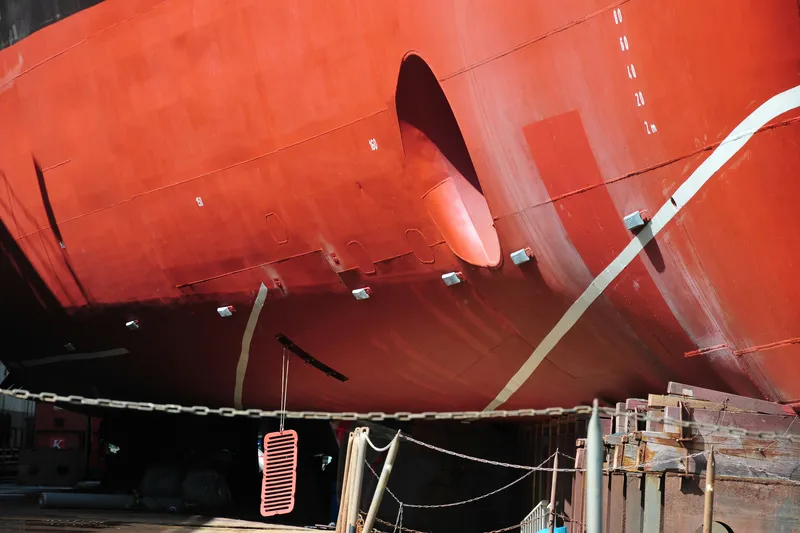
Epoxy Over Alkyd: Why It Often Fails
Epoxy over alkyd is one of the most common marine paint compatibility questions during repairs. It looks like an upgrade, but it is risky.
Epoxy coatings usually contain strong solvents and cure by a chemical reaction. An alkyd film cures by reacting with oxygen and stays softer. Strong solvents can soften it, wrinkle it or lift it off the steel.
Even when the epoxy holds, the old alkyd layer becomes the weak link in the system. If it fails, the epoxy comes off with it.
There are three safer options:
- Remove the alkyd on the area and rebuild the system from bare steel and primer.
- Patch test first and confirm the result with the paint maker.
- Stay with alkyd for light-duty areas above the waterline. See our alkyd paints range.
The reverse case, alkyd over epoxy, is usually possible once the epoxy is cured, clean and lightly abraded. The result is a less durable finish than polyurethane, and alkyd is not meant for immersion.
Polyurethane Over Epoxy: The Standard Pairing
Polyurethane over epoxy is the standard pairing in a marine coating system. The epoxy builds film thickness and protects the steel. The polyurethane holds gloss and colour in sun and salt. Our guide to the marine coating system shows where each layer sits.
The pairing has the best marine paint compatibility when you respect the timing in the data sheet. Apply the topcoat inside the recoat window and the two layers bond chemically.
If the window has passed, the epoxy has hardened. Then follow these steps:
- Wash off salt, oil and dirt with fresh water and a suitable cleaner.
- Remove any chalky layer that sunlight has formed on the epoxy.
- Abrade the surface lightly so the topcoat has a grip.
- Let the surface dry completely before painting.
The reverse, epoxy over polyurethane, is harder. An aged polyurethane film is smooth and gives little grip, so it needs careful abrading and a patch test. Browse our epoxy paints and polyurethane coatings to compare products.
Coating compatibility
Avoid paint compatibility failures before they start.
Our team can check your existing coating and propose a compatible Bajak marine paint system for your vessel.
Marine Paint Compatibility for Antifouling and Acrylic
Antifouling over epoxy
Antifouling usually goes over an epoxy anticorrosive coat. Some antifouling products bond poorly to a fully cured epoxy. Many systems therefore use a tie coat between the two. Read Tie Coat Marine Paint: Bridging Epoxy and Antifouling for the details.
Going the other way is not possible. Epoxy over old antifouling will not bond well, because the antifouling is designed to wear and release biocide.
Acrylic over other coats
Acrylic dries as solvent leaves the film. It is forgiving and fast, and it often bonds well over sound alkyd or acrylic. It is a weaker choice over unknown old paint, so run a patch test. For heavy exposure, polyurethane is usually the stronger topcoat.
Overcoating Windows: Why Timing Matters
Marine paint overcoating, and so marine paint compatibility, depends on time as much as on resin. Every data sheet lists a minimum and a maximum interval before the next coat. The values depend on the product, the temperature and the humidity.
Too early, and solvent is trapped in the film. This can cause blisters, soft spots or lifting. Too late, and the film is fully cured, so the next coat has little to bond with.
We do not quote fixed hours here, because they differ from product to product. Check the data sheet and our guide to marine paint cure time. Record the temperature when you paint, as cold, damp weather stretches every interval.
How to Run a Patch Test Before You Commit
A patch test is the cheapest marine paint compatibility insurance in a dry dock. It costs a small area of paint and may save a whole hull.
- Pick a small area that represents the surface, such as a section of the old coat in good condition.
- Clean it, dry it and prepare it as you would for the real job.
- Apply the new coat at the thickness the data sheet gives.
- Let it cure for the time the data sheet requires.
- Look for wrinkling, lifting, softening or colour bleed.
- Check adhesion with a cross-cut or pull-off test. See the overview of paint adhesion testing.
If the patch fails, change the system before you paint the full area. A failed patch is a cheap lesson.
7 Essential Rules for Marine Paint Compatibility
Use these seven rules as a marine paint compatibility checklist before you order any overcoat.
- Identify the existing coat. Do not guess. Ask for the old paint specification or have it tested.
- Read both data sheets. The TDS of the new paint states what it can go over.
- Prefer one maker’s system. Coats designed together are tested together.
- Respect the overcoating window. Note the temperature and the time between coats.
- Clean, dry and abrade. Salt, oil and chalk stop any coat from bonding.
- Always patch test. Check the result before painting a large area.
- Do not skip the primer or the tie coat. Where the system calls for one, use it. See our primers.
Common Marine Paint Compatibility Mistakes
- Painting epoxy over old alkyd without a test.
- Applying polyurethane or antifouling long after the window, with no abrading.
- Mixing products from different makers and assuming they are compatible.
- Painting over salt, oil or a damp surface.
- Treating the topcoat as a repair for earlier mistakes. A topcoat cannot fix a weak system.
Frequently Asked Questions
Can you paint epoxy over alkyd?
It is risky. The strong solvents in epoxy can soften and lift an old alkyd film, and the alkyd then becomes the weak layer. Remove the alkyd, or run a patch test and confirm the result with the paint maker before you commit to a full area.
Can I apply polyurethane over epoxy?
Yes. Polyurethane over epoxy is the standard pairing in marine systems. Apply it inside the recoat window in the data sheet. If the window has passed, wash the surface, remove any chalk and abrade it lightly first so the topcoat can grip.
What is intercoat adhesion?
Intercoat adhesion is the bond between two layers of paint. When it is poor, the upper coat peels or lifts even if each paint is sound on its own. Wrong pairings, missed overcoating windows, dirt and salt on the old film are the usual causes.
How do I test marine paint compatibility?
Apply the new coat to a small, representative patch prepared like the real job. Let it cure as the data sheet requires, then look for wrinkling, lifting or softening. Finish with a cross-cut or pull-off adhesion test before painting a large area.
Can antifouling go over epoxy?
Yes, antifouling normally goes over an epoxy anticorrosive coat. Some antifouling products bond poorly to fully cured epoxy, so many systems add a tie coat in between. Follow the data sheet for the exact interval and for the products approved together.
How long can I wait before overcoating marine paint?
It depends on the product, the temperature and the humidity, so there is no single number. Each data sheet lists a minimum and maximum interval. If you pass the maximum, clean and abrade the surface, then apply the next coat, ideally after a patch test.
Request a Quote for a Compatible Coating System
Tell us the existing coat, the area and the exposure, and we will check marine paint compatibility for you. We will recommend a compatible system and send the technical data sheets with your quote. Stock Sanat Caspian has been the exclusive Bajak representative since 2020.
Recent Posts