
Stock Sanat Specialized Magazine


Zinc silicate gives steel very strong protection, but it is not a primer you can simply paint over. Overcoat it wrongly and the topcoat blisters, pinholes or peels months later.
This guide explains the zinc silicate primer from a buyer’s side: where it fits on ships, where it does not, and how to overcoat it. It is written for shipowners, superintendents and repair yard contractors who must choose between silicate and epoxy zinc. It complements our guide to the zinc-rich primer for marine steel, so we focus on the silicate and its limits.
Table of Contents
What Is a Zinc Silicate Primer?
A zinc silicate primer is a two-component coating. One part is zinc dust. The other is an inorganic silicate binder. You mix them just before use, so the pot holds a heavy, zinc-filled paint.
The binder cures by reacting with moisture in the air. This is the main difference from an epoxy primer, which cures by a chemical reaction between two organic parts. According to Hempel’s technical guideline on inorganic zinc silicates, curing speed depends on humidity, steel temperature and air movement.
The zinc works as a sacrificial layer. If the film is scratched, the zinc corrodes first and protects the steel next to the damage. Inorganic zinc silicate is usually chosen when this protection must be as strong as possible and the surface can be prepared well.
Zinc Silicate Primer vs Zinc Epoxy
Most buyers compare two families: inorganic zinc silicate and zinc-rich epoxy. The table shows the practical differences. It is a general comparison. Exact film thickness, drying and recoat times always come from the product data sheet.
| Factor | Zinc silicate primer | Zinc-rich epoxy |
|---|---|---|
| Binder | Inorganic silicate | Organic epoxy |
| Curing | Reacts with moisture in the air | Chemical reaction of two components |
| Cathodic protection | Typically the stronger of the two | Good, with a lower-risk film |
| Overcoating | Sensitive: porous film needs a sealing step | Easier and more tolerant |
| Surface preparation | Demanding | More tolerant of site conditions |
| Heat resistance | Higher | Lower |
| Best fit | Aggressive exposure, new building, controlled shop conditions | Repairs, dry-dock work, mixed site conditions |
Neither choice is better for every job. A zinc silicate primer rewards good preparation and a controlled coating plan. Zinc epoxy rewards speed and forgiveness. For product details, see Bajak 65% Zinc-Rich Epoxy.
Where a Zinc Silicate Primer Works on Ships
A zinc silicate primer fits best where the steel can be blasted to a high standard, the film can cure properly and the full coating system is planned from the start. Typical cases are:
- New building and block work: steel is prepared in a shop, so conditions are controlled.
- Aggressive exposure areas: Hempel describes its zinc silicates as primers in three-layer systems for highly aggressive environments.
- Tanks: some grades are specified as single-layer tank linings, but only when the data sheet allows it.
- Heat-exposed steel: silicate binders resist higher temperatures than epoxy binders.
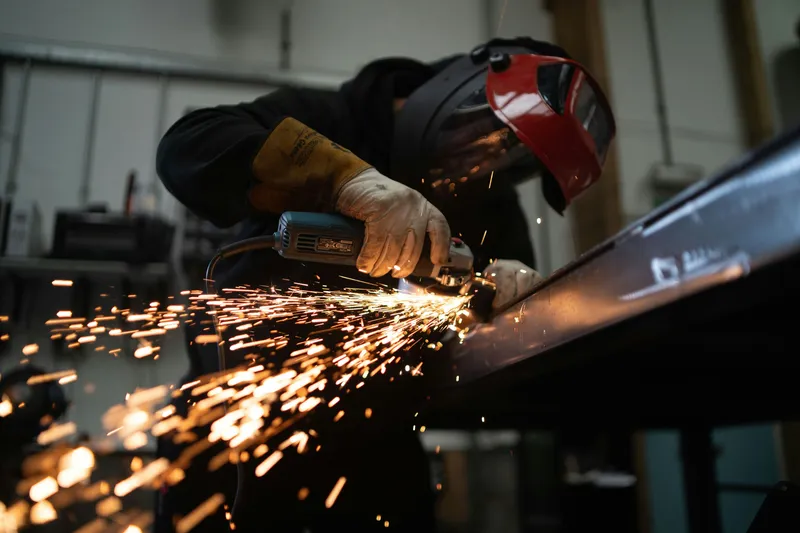
Good preparation is not optional. Hempel’s guideline asks for steel that has not rusted worse than grade B of ISO 8501-1, and warns that deeply corroded steel is hard to protect with a zinc silicate. Read our guide to marine paint surface preparation before you specify it.
Limits of a Zinc Silicate Primer
The same features that make the primer strong also create its limits. Know them before you order.
A Porous Film
An unweathered zinc silicate film is porous. Air and solvent can be trapped in the pores. When the next coat goes on, the trapped air escapes through it. The result is popping, pinholes or bubbles in the topcoat.
Sensitive to Film Thickness
A film that is too thick can crack. Hempel warns that dry film thickness above roughly 125 microns risks mud cracking or peeling. Too little thinner causes dry spray, which is poor film formation and can cause failure.
Weather and Application Window
Because curing needs moisture, very dry air slows it. The guideline also gives a recommended surface temperature range and advises night-time application in warm climates. Check the data sheet for the exact limits of your product.
Unsuitable Surfaces
Inorganic zinc silicates are not suitable for porous substrates such as cast iron. They are also hard to inspect: damaged spots on the flat grey film are difficult to see, so quality control matters.
Zinc primers
Need a zinc primer for steel protection?
Compare Bajak primers for marine and industrial steel, then ask our team which one suits your surface and topcoat.
Overcoating a Zinc Silicate Primer Step by Step
Overcoating zinc silicate is where most failures start. A safe sequence has four steps.
- Confirm the cure. Hempel says the film must be fully cured before overcoating, checked with the ASTM D4752 solvent rub test.
- Clean the surface. Remove oil and dirt with a detergent wash. Remove white rust, which is zinc corrosion product, by fresh-water cleaning as the guideline describes.
- Seal the porosity. Apply a mist coat, also called a flash coat. Spray a very thin first pass of the next coat, let the air escape, then apply the rest.
- Apply the full coat. Use the intermediate or tie coat named in your coating specification.

Damaged areas need extra care. The guideline calls for abrasive blasting of burns and weld spatter, then restoring the zinc layer before any overcoat. Do not try to fill pinholes by painting over them; seal the film before the full coat instead.
Whatever overcoat you choose must be approved for the primer. Check our page on marine paint compatibility, then confirm the system in the data sheets of every coat.
How to Choose Between Silicate and Epoxy Zinc
Use these questions to decide.
- Can the surface be blasted to the specified grade and kept clean until painting?
- Is the film going to cure in suitable weather, or will the ship stay in a damp yard?
- Will a skilled crew apply the mist coat and control film thickness?
- Is the next coat easy to apply within the coating system?
If you answer yes to all four, a zinc silicate primer is worth considering. If one answer is no, a zinc-rich epoxy is usually the safer path. It tolerates site conditions and overcoats more easily. Browse the full range on the primers page.
We supply Bajak zinc-rich epoxy. The product page does not list recoat intervals or film thickness, so ask us for the technical data sheet before you finalise a specification. If your project specifically requires an inorganic silicate, tell us before you order.
Frequently Asked Questions
What is a zinc silicate primer?
A zinc silicate primer is a two-component coating made of zinc dust and an inorganic silicate binder. It cures by reacting with moisture in the air and protects steel sacrificially. It is used in aggressive environments where very good surface preparation is possible.
Is zinc silicate better than zinc epoxy?
Not always. Zinc silicate typically gives stronger cathodic protection and higher heat resistance. Zinc epoxy is easier to overcoat and more tolerant of site conditions. The better choice depends on surface preparation, weather, crew skill and the rest of your coating system.
Why does a topcoat bubble over zinc silicate?
Zinc silicate is porous, and air trapped in the pores escapes into the next coat as it is applied. This causes popping, pinholes or bubbles. A thin mist coat applied first seals the pores so the full coat can go on without defects.
What is a mist coat on zinc silicate?
A mist coat, or flash coat, is a very thin first pass of the next coat. It is sprayed, sometimes thinned, so the air can escape from the pores. After it, you apply the rest of the coat. Check the data sheet for the approved material and thinning.
How do I know zinc silicate is cured before overcoating?
Run the ASTM D4752 solvent rub test. Hempel’s guideline asks for a resistance rating of at least 4 before overcoating, meaning only a slight amount of zinc on the cloth after 50 double rubs. Always follow the data sheet of your own product.
Can I use zinc silicate on cast iron?
No. Hempel’s guideline states that inorganic zinc silicates are not suitable for porous substrates such as cast iron. Choose another primer and confirm it with the coating supplier before you specify it.
Does Stock Sanat Caspian supply zinc primers?
Yes. Stock Sanat Caspian, the exclusive Bajak representative since 2020, supplies Bajak 65% Zinc-Rich Epoxy. Send us your project details, and we will confirm the right primer, send data sheets and quote.
Request a Quote for Your Zinc Primer System
Choosing a zinc primer depends on your steel, your yard conditions and your coating system. Contact us to request a quote with your vessel, the area and your current specification, and the Stock Sanat Caspian team will recommend a suitable primer and send the data sheets. You can also view Bajak 65% Zinc-Rich Epoxy now.
Recent Posts