

What Is Epoxy Paint?

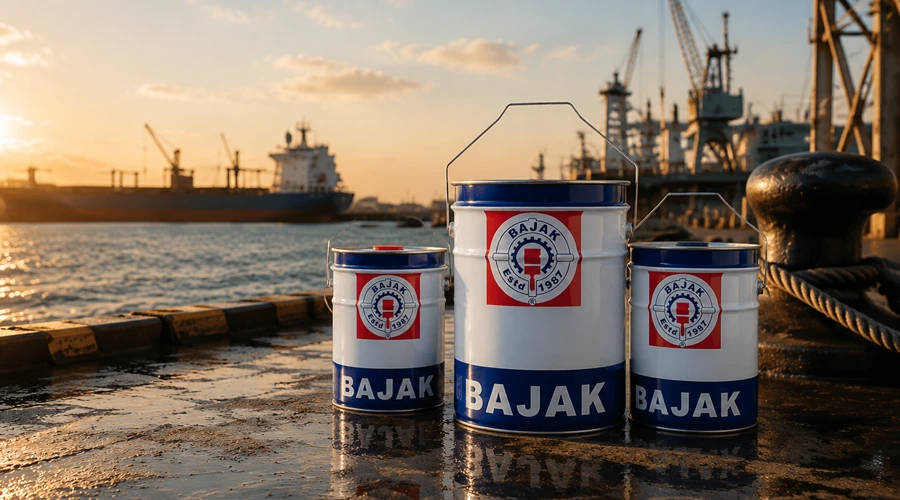
What Is Epoxy Paint?
In industrial, commercial, and construction projects, choosing the right protective coating can make a huge difference in the durability and performance of a surface. Floors, metal structures, concrete surfaces, and industrial equipment are constantly exposed to pressure, chemicals, moisture, abrasion, and heavy use. Without proper protection, these surfaces can quickly lose their quality and require expensive repairs.
One of the most reliable solutions for protecting different surfaces is epoxy paint. Epoxy paint is a high-performance coating known for its excellent adhesion, strong resistance, and long-lasting protection. It is widely used in factories, warehouses, garages, workshops, parking areas, and many other environments where ordinary paints cannot provide enough durability.
But what is epoxy paint exactly, and why is it so popular in industrial applications?
Epoxy paint is a two-component coating system that is usually made from an epoxy resin and a hardener. When these two components are mixed together, a chemical reaction begins, creating a strong and durable coating layer. This process gives epoxy paint its unique properties, including high mechanical strength, resistance to chemicals, and excellent protection against wear and corrosion.
Unlike conventional paints that mainly create a decorative layer on the surface, epoxy paint forms a much stronger protective barrier. This makes it an ideal choice for surfaces that need both appearance improvement and long-term protection.
At Stock Sanat, we provide high-quality industrial epoxy paints from trusted brands such as Bajac, helping businesses and professionals choose reliable coatings for their projects.
How Does Epoxy Paint Work?
To understand why epoxy paint is different from regular paints, it is important to understand how it works.
Epoxy paint works through a chemical bonding process between two main components:
- Epoxy resin
- Hardener (curing agent)
When these two materials are mixed, they create a chemical reaction called curing. During this process, the liquid coating transforms into a solid, strong, and highly resistant surface layer.
This cured layer provides several important advantages:
- Strong adhesion to different surfaces
- Resistance to impact and abrasion
- Protection against chemicals and oils
- Improved surface durability
- Reduced maintenance requirements
The quality of the final coating depends on several factors, including:
- Surface preparation
- Mixing ratio of resin and hardener
- Application method
- Environmental conditions during curing
- Quality of the epoxy product
For this reason, choosing a professional-grade epoxy paint is essential, especially for industrial environments where coating failure can lead to additional costs.
What Are the Main Components of Epoxy Paint?
Epoxy paint consists of different chemical components that work together to create a durable protective coating. The two main components are:
1. Epoxy Resin
Epoxy resin is the primary material responsible for adhesion and durability. It allows the coating to bond strongly with surfaces such as concrete, steel, and other industrial materials.
The resin provides:
- High strength
- Excellent chemical resistance
- Strong surface bonding
- Long-term protection
2. Hardener or Curing Agent
The hardener activates the curing process. Without the hardener, epoxy resin cannot create the strong protective layer that epoxy coatings are known for.
The curing agent affects:
- Drying time
- Final hardness
- Resistance properties
- Overall performance
The combination of high-quality resin and the correct hardener creates a coating system that can withstand demanding industrial conditions.
What Makes Epoxy Paint Different From Regular Paint?
Many people compare epoxy paint with traditional paints because both are used for surface protection and decoration. However, their performance levels are significantly different.
Regular paints mainly focus on improving appearance and providing basic protection. They usually create a thin layer that can be damaged by heavy traffic, chemicals, or moisture.
Epoxy paint, on the other hand, creates a much stronger protective surface.
| Feature | Regular Paint | Epoxy Paint |
|---|---|---|
| Durability | Medium | Very High |
| Chemical Resistance | Low | Excellent |
| Abrasion Resistance | Limited | High |
| Protection Against Moisture | Moderate | Excellent |
| Suitable For Heavy Traffic Areas | Usually No | Yes |
| Industrial Applications | Limited | Extensive |
Because of these advantages, epoxy paint has become one of the most popular choices for industrial flooring, machinery, metal structures, and protective applications.
What Are the Benefits of Epoxy Paint?
Epoxy paint is widely used because it offers a combination of protection, durability, and visual improvement. Some of the most important benefits include:
High Durability and Long Service Life
One of the biggest advantages of epoxy paint is its durability. Once fully cured, epoxy creates a hard surface that can handle heavy use, frequent movement, and mechanical stress.
In industrial environments where floors and equipment are exposed to constant pressure, epoxy paint helps extend the lifespan of surfaces and reduces the need for frequent repairs.
Excellent Chemical Resistance
Industrial areas often deal with chemicals, oils, fuels, and cleaning materials. Many conventional paints cannot withstand these substances and may peel or deteriorate over time.
Epoxy paint provides strong resistance against many chemicals, making it suitable for:
- Factories
- Laboratories
- Automotive workshops
- Warehouses
- Production facilities
Resistance Against Abrasion and Wear
Heavy traffic can quickly damage ordinary coatings. Forklifts, vehicles, machinery, and continuous movement can create friction and surface damage.
Epoxy paint creates a tough coating layer that protects surfaces against:
- Scratches
- Impact
- Heavy traffic
- Mechanical wear
This makes it an excellent option for industrial floors and commercial spaces.
Protection Against Moisture and Corrosion
Moisture is one of the biggest causes of surface damage, especially for concrete and metal structures.
Epoxy paint creates a protective barrier that reduces water penetration and helps prevent:
- Rust formation on metal surfaces
- Concrete deterioration
- Surface degradation
For metal protection applications, epoxy coatings are commonly used as part of industrial corrosion protection systems.
Types of Epoxy Paint
Epoxy paint is available in different types depending on the application area, surface condition, and required performance. Choosing the right type of epoxy paint is important because every environment has different requirements.
The most common types of epoxy paint include:
1. Water-Based Epoxy Paint
Water-based epoxy paint uses water as a carrier instead of strong solvents. It is easier to apply, has lower odor, and is commonly used in areas where environmental considerations are important.
Advantages of water-based epoxy paint include:
-
Easy application
-
Low odor
-
Faster cleaning after application
-
Suitable for light to medium-duty applications
However, compared with solvent-based and 100% solid epoxy systems, it usually provides lower resistance against extreme industrial conditions.
Water-based epoxy paint is often used for:
-
Residential garages
-
Light commercial spaces
-
Indoor concrete floors
-
Areas with moderate traffic
2. Solvent-Based Epoxy Paint
Solvent-based epoxy paint contains chemical solvents that improve penetration and adhesion. This type provides better performance compared with many water-based products.
It is commonly selected for areas that require:
-
Higher durability
-
Better chemical resistance
-
Stronger surface protection
Typical applications include:
-
Industrial floors
-
Metal structures
-
Machinery surfaces
-
Workshops
Because solvent-based epoxy paints contain solvents, proper ventilation and safety measures are required during application.
3. 100% Solid Epoxy Paint
100% solid epoxy paint is one of the strongest epoxy coating systems available. It contains almost no solvents, meaning the coating creates a thicker and more durable layer after curing.
This type is preferred for heavy-duty industrial environments because it offers:
-
Maximum durability
-
Excellent chemical resistance
-
High thickness
-
Strong mechanical performance
Common applications include:
-
Manufacturing plants
-
Heavy industries
-
Warehouses
-
Industrial flooring systems
For demanding projects where long-term protection is required, professional-grade products such as Bajac epoxy paints can provide reliable performance.
Where Is Epoxy Paint Used?
One of the reasons epoxy paint has become so popular is its versatility. It can be applied on different surfaces and used in many industries.
From industrial floors to metal equipment, epoxy paint provides protection and improves the appearance of surfaces.
Industrial Floors
Industrial flooring is one of the most common applications of epoxy paint.
Factories, warehouses, and production areas require flooring that can withstand:
-
Heavy machinery
-
Constant foot traffic
-
Vehicle movement
-
Chemical exposure
-
Oil and grease contamination
Epoxy paint creates a smooth, durable surface that is easier to clean and maintain.
Many industrial facilities choose epoxy flooring systems because they reduce maintenance costs and improve workplace safety.
Epoxy Paint for Concrete Surfaces
Concrete is a strong construction material, but it is naturally porous. Without protection, concrete surfaces can absorb moisture, chemicals, and contaminants.
Applying epoxy paint on concrete helps:
-
Seal the surface
-
Reduce water absorption
-
Improve resistance against damage
-
Create an easier-to-clean finish
Epoxy paint for concrete floors is commonly used in:
-
Parking areas
-
Garages
-
Storage rooms
-
Commercial buildings
-
Industrial facilities
Proper surface preparation is extremely important before applying epoxy paint on concrete. Dust, oil, and damaged areas must be removed to achieve strong adhesion.
Epoxy Paint for Metal Surfaces
Metal surfaces are often exposed to moisture, chemicals, and environmental conditions that can cause corrosion.
Epoxy paint for metal provides a protective barrier that helps prevent rust and extends the service life of metal components.
It is commonly used for:
-
Steel structures
-
Industrial equipment
-
Pipes
-
Storage tanks
-
Machinery
In many industrial projects, epoxy primer is applied before epoxy paint to improve corrosion protection and increase coating performance.
What Are the Industrial Applications of Epoxy Paint?
Epoxy paint plays an important role in many industries because of its protective properties.
Manufacturing Industry
Manufacturing facilities often experience heavy traffic, chemical exposure, and mechanical stress.
Epoxy paint helps manufacturers maintain durable surfaces that can handle demanding working conditions.
Applications include:
-
Production floors
-
Equipment protection
-
Machine areas
-
Storage spaces
Automotive Industry
Automotive workshops and factories require coatings that can resist oils, fuels, and chemicals.
Epoxy paint is used for:
-
Workshop floors
-
Service areas
-
Metal components
-
Equipment protection
Its resistance against oil and grease makes it a practical choice for automotive environments.
Oil and Gas Industry
The oil and gas industry requires highly resistant coatings because equipment is exposed to aggressive environments.
Epoxy coatings are commonly used for:
-
Steel structures
-
Pipelines
-
Storage tanks
-
Industrial equipment
Their ability to protect surfaces against corrosion makes them an important part of industrial maintenance programs.
Food and Pharmaceutical Industries
Cleanliness is extremely important in food and pharmaceutical facilities.
Epoxy paint provides smooth and non-porous surfaces that are easier to clean and maintain.
Benefits include:
-
Improved hygiene
-
Resistance against cleaning chemicals
-
Reduced contamination risks
Epoxy Paint vs Epoxy Coating: What Is the Difference?
Many people use the terms epoxy paint and epoxy coating interchangeably, but there are some differences.
Epoxy coating is a broader term that refers to protective systems made with epoxy materials. Epoxy paint is one type of epoxy coating that is usually applied as a paint-like layer.
| Feature | Epoxy Paint | Epoxy Coating |
|---|---|---|
| Thickness | Usually thinner | Usually thicker |
| Application | Similar to painting | Professional coating process |
| Protection Level | High | Very High |
| Industrial Use | Common | Extensive |
| Surface Protection | Good | Excellent |
For simple protective and decorative purposes, epoxy paint may be enough. However, heavy industrial projects may require a complete epoxy coating system.
How to Apply Epoxy Paint?
Correct application plays a major role in the final performance of epoxy paint. Even the highest-quality product cannot perform properly if the surface preparation and application process are incorrect.
The main application steps include:
Step 1: Surface Preparation
Before applying epoxy paint, the surface must be completely clean and prepared.
Preparation may include:
-
Removing dust and dirt
-
Cleaning oil and grease
-
Repairing cracks
-
Removing old damaged coatings
-
Creating proper surface roughness
A properly prepared surface improves adhesion and prevents peeling.
Step 2: Mixing Components
Two-component epoxy paints must be mixed according to the manufacturer’s instructions.
Incorrect mixing ratios can cause problems such as:
-
Poor curing
-
Reduced durability
-
Weak adhesion
Always follow the technical guidelines provided with the product.
Step 3: Applying the Epoxy Paint
Epoxy paint can be applied using different methods depending on the project:
-
Roller application
-
Brush application
-
Spray application
The application method depends on:
-
Surface type
-
Required thickness
-
Working conditions
Step 4: Curing Process
After application, epoxy paint needs enough time to cure.
During curing:
-
Avoid heavy traffic
-
Protect the surface from contamination
-
Maintain suitable environmental conditions
The final strength of epoxy paint develops after complete curing.
How Long Does Epoxy Paint Last?
One of the main reasons businesses choose epoxy paint is its long service life. Unlike ordinary paints that may require frequent maintenance and repainting, epoxy paint can provide years of reliable protection when it is applied correctly.
The lifespan of epoxy paint depends on several factors, including:
-
Quality of the epoxy product
-
Surface preparation before application
-
Level of traffic and usage
-
Environmental conditions
-
Exposure to chemicals and moisture
-
Maintenance practices
In industrial environments, high-quality epoxy paint systems can last for many years while maintaining their protective properties.
For example, an epoxy-coated industrial floor in a warehouse with proper maintenance can continue performing effectively under heavy traffic conditions. However, surfaces exposed to aggressive chemicals or extreme mechanical stress may require more frequent inspection and maintenance.
Choosing a professional epoxy paint product, such as Bajac epoxy paint supplied by Stock Sanat, helps ensure better durability and long-term performance.
Is Epoxy Paint Waterproof?
A common question about epoxy paint is: Is epoxy paint waterproof?
The answer is that epoxy paint provides excellent water resistance and creates a protective barrier that reduces moisture penetration. However, it is important to understand that waterproofing performance depends on the type of epoxy system, application quality, and surface condition.
After curing, epoxy paint creates a dense and non-porous layer that helps protect surfaces from:
-
Water absorption
-
Humidity
-
Moisture damage
-
Surface deterioration
This makes epoxy paint suitable for environments where surfaces are frequently exposed to moisture, such as:
-
Industrial washing areas
-
Warehouses
-
Garages
-
Production facilities
-
Concrete floors
For applications that require complete waterproofing or immersion resistance, specialized epoxy coating systems may be more suitable.
How to Choose the Best Epoxy Paint?
Selecting the right epoxy paint requires understanding the needs of your project. The best epoxy paint is not always the most expensive product; it is the one that matches the working conditions and surface requirements.
Before purchasing epoxy paint, consider the following factors:
1. Surface Type
The first step is identifying the surface where the epoxy paint will be applied.
Different surfaces require different solutions:
-
Concrete surfaces may require specific primers and preparation methods.
-
Metal surfaces usually need corrosion protection systems.
-
Industrial equipment may require high-strength epoxy coatings.
Choosing the correct product for the surface improves adhesion and performance.
2. Environmental Conditions
The working environment has a major impact on epoxy paint selection.
Consider:
-
Temperature changes
-
Humidity levels
-
Chemical exposure
-
Mechanical pressure
-
Indoor or outdoor conditions
For example, an epoxy paint used in a factory floor must have higher resistance compared with one used in a low-traffic commercial area.
3. Required Resistance Level
Different epoxy paints provide different levels of protection.
Depending on your application, you may need resistance against:
-
Chemicals
-
Oils
-
Abrasion
-
Impact
-
Corrosion
-
Moisture
Industrial projects usually require epoxy paints with higher performance specifications.
4. Product Quality and Brand Reputation
The quality of epoxy paint directly affects the final result.
A low-quality product may lead to:
-
Poor adhesion
-
Cracking
-
Peeling
-
Reduced service life
-
Higher maintenance costs
Working with reliable brands and professional suppliers helps prevent these issues.
Why Choose Bajac Epoxy Paint?
When selecting an industrial epoxy paint, product quality and reliability are extremely important.
Bajac epoxy paint is designed for professional applications where strong protection and durability are required.
Bajac products are suitable for different industrial needs and provide advantages such as:
-
High adhesion
-
Strong resistance against wear
-
Reliable surface protection
-
Professional industrial performance
-
Suitable quality for demanding environments
At Stock Sanat, we provide Bajac epoxy paints for customers looking for reliable coating solutions for industrial and construction projects.
Our team can help you choose the right epoxy paint based on:
-
Surface type
-
Application environment
-
Required performance
-
Project requirements
Why Buy Epoxy Paint From Stock Sanat?
Choosing the right supplier is just as important as choosing the right coating product.
At Stock Sanat, we focus on providing professional industrial coating solutions with reliable products and technical support.
When you purchase epoxy paint from Stock Sanat, you can benefit from:
Quality Products
We offer professional-grade epoxy paints suitable for industrial applications.
Expert Guidance
Choosing the wrong coating can increase project costs. Our specialists help customers select the right epoxy solution based on their needs.
Competitive Pricing
We provide epoxy paint solutions with competitive prices while maintaining product quality.
Suitable Options for Different Projects
Whether you need epoxy paint for:
-
Industrial floors
-
Concrete surfaces
-
Metal structures
-
Machinery
-
Protective applications
Stock Sanat can provide suitable options.
Looking for a reliable epoxy paint solution for your project? Contact Stock Sanat today and get professional advice about choosing the right Bajac epoxy paint for your application.
Frequently Asked Questions About Epoxy Paint
What is epoxy paint used for?
Epoxy paint is used to protect and improve different surfaces, including concrete floors, metal structures, industrial equipment, warehouses, factories, and commercial spaces. It provides durability, chemical resistance, and long-term surface protection.
Is epoxy paint stronger than normal paint?
Yes. Epoxy paint is significantly stronger than ordinary paint because it creates a chemically bonded protective layer with higher resistance against abrasion, chemicals, impact, and moisture.
Can epoxy paint be used on concrete?
Yes. Epoxy paint is commonly used on concrete surfaces because it seals the porous structure of concrete and improves durability, appearance, and resistance against damage.
Can epoxy paint be applied on metal?
Yes. Epoxy paint can be applied on metal surfaces, especially when combined with proper surface preparation and suitable epoxy primers. It helps protect metal against corrosion and environmental damage.
How many coats of epoxy paint are needed?
The number of coats depends on the product type, surface condition, and required protection level. Many industrial applications require a primer coat followed by one or more epoxy paint layers.
How long does epoxy paint take to dry?
Drying time depends on the epoxy formulation, temperature, humidity, and application thickness. Complete curing usually takes longer than surface drying because the chemical reaction continues after the coating feels dry.
Is epoxy paint suitable for industrial use?
Yes. Epoxy paint is widely used in industrial environments because of its excellent durability, chemical resistance, and ability to protect surfaces under demanding conditions.
Final Conclusion: Is Epoxy Paint the Right Choice?
Epoxy paint is one of the most effective solutions for protecting industrial, commercial, and construction surfaces. Its excellent durability, strong adhesion, chemical resistance, and long service life make it a preferred choice for many professional applications.
From factory floors and warehouses to metal structures and industrial equipment, epoxy paint helps improve surface performance while reducing maintenance costs.
However, achieving the best results depends on selecting the right product, preparing the surface correctly, and following proper application methods.
If you are looking for high-quality epoxy paint for your project, Stock Sanat offers professional Bajac epoxy paint solutions designed for reliable industrial performance.
Contact Stock Sanat today to choose the right epoxy paint based on your project requirements and receive expert guidance for your coating needs.