
Stock Sanat Specialized Magazine

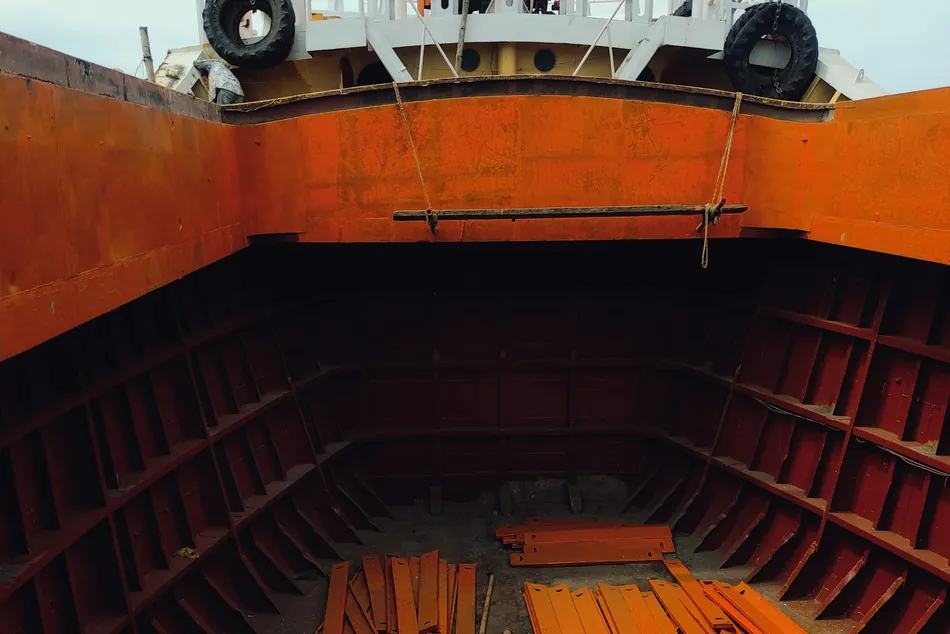
Salt water, humidity and constant movement attack bare steel quickly. Marine epoxy paint for steel is the layer that keeps that attack away from the metal. Used well, it extends the life of a hull, a tank or a deck. Used badly, it peels within a season.
This guide shows where epoxy sits in a marine system, how many coats to apply, what film thickness to aim for, and the mistakes that cause early failure. It is written for shipyards, boat builders, contractors and industrial buyers.
Table of Contents
What Is Marine Epoxy Paint for Steel?
Marine epoxy paint for steel is a two-component coating. One part holds the resin and pigments. The other part is the curing agent, often a polyamide. When you mix them, a chemical reaction hardens the film. If you want the basics first, read what epoxy paint is.
The cured film is hard, dense and resistant to water, many chemicals and abrasion. That is why shipyards use it as the main barrier coat. The base chemistry comes from epoxy resins, which are also used in adhesives and industrial floors.
People search for it under several names: marine epoxy paint, marine grade paint for steel, epoxy polyamide, or epoxy primer for steel hull. They all point to the same family of products, used at different stages of the system. In this guide, marine epoxy paint for steel means the epoxy build coat.
Where Epoxy Sits in a Marine Coating System
A marine system is built in layers. Each layer has one job. Epoxy normally sits in the middle, between the primer and the final coat. Our guide to the marine coating system covers the full logic in more detail.
| Layer | Typical product | Main job |
|---|---|---|
| Primer | Epoxy primer or zinc-rich epoxy | Adhesion and corrosion control on blasted steel |
| Build coat | Marine epoxy paint for steel | Barrier against water, salt and abrasion |
| Topcoat | Acrylic, alkyd or polyurethane | UV, colour and weather resistance |
| Underwater coat | Antifouling paint | Stops marine growth on the hull |
On new steel, the primer can be an epoxy primer or a zinc-rich product. See our notes on zinc-rich primer for marine steel and the Bajak 65% Zinc-Rich Epoxy product. The epoxy build coat then goes on top.

Why Epoxy Needs a Topcoat Above the Waterline
Epoxy resists water very well. But sunlight breaks down the surface and it turns chalky. The colour fades first, and the film slowly thins. For that reason, exposed areas get a topcoat such as Bajak Acrylic Topcoat over the epoxy.
Where to Use Marine Epoxy Paint on Steel
Marine epoxy paint for steel is not only for ships. Any steel exposed to salt or constant moisture can use it. Common areas include:
- Hull plating: the epoxy build coat under antifouling or topside finish.
- Decks and superstructure: under a UV-stable topcoat.
- Ballast and cargo tanks: where immersion and condensation are constant.
- Offshore and port structures: jetties, pipework, platforms and steel piles.
- Boat trailers and workshop steel: lighter duty, same principles.
For immersed areas, always confirm that the product is approved for immersion. Some epoxies are only meant for atmospheric exposure.
How Many Coats and What Dry Film Thickness?
Most schemes using marine epoxy paint for steel apply two epoxy coats over one coat of primer, then a topcoat or antifouling coat. Some severe zones need more. The product data sheet is the final word.
Dry film thickness (DFT) is the thickness of the cured paint. It matters more than the number of coats. Thin film means less barrier and earlier rust. Thick film can trap solvent and crack.
| Zone | Typical coats | What decides the thickness |
|---|---|---|
| Topsides and decks | Primer, 1 to 2 epoxy, topcoat | Data sheet and exposure level |
| Underwater hull | Primer, 2 epoxy, antifouling | Immersion rating and antifouling system |
| Ballast tanks | Primer, 2 or more epoxy | Tank specification and inspection rules |
| Offshore steel | Primer, epoxy, topcoat | Project standard and service life |
Check the thickness after every coat with a gauge. Fixing a thin area before the next coat is far cheaper than recoating a failed hull.
Many marine specifications aim for a total system thickness in the hundreds of microns. Your data sheet gives the real figure for your product. Never guess it from another brand.
Step-by-Step: Applying Marine Epoxy Paint for Steel
A good result depends on the order of work. To apply marine epoxy paint for steel correctly, follow these steps:
- Prepare the steel. Blast or grind to the specified cleanliness and profile.
- Remove dust, oil and salt. Wash and dry the surface before painting.
- Check the weather. Steel must be dry and above the dew point.
- Mix the two components. Use the ratio on the data sheet and stir fully.
- Apply the primer. Keep to the specified film thickness.
- Apply the epoxy coats. Respect the recoat window between coats.
- Measure the thickness. Repair thin spots before the next layer.
- Add the topcoat or antifouling coat. Then allow full cure before service.

Our guide to marine paint surface preparation explains blasting grades and surface profile in more detail.
Marine epoxy
Need marine epoxy paint for steel structures?
Browse Bajak epoxy coatings for steel hulls and tanks, or ask our team to size a system for your project.
Common Mistakes with Marine Epoxy on Steel
Most early failures of marine epoxy paint for steel come from the job, not from the paint. These mistakes appear again and again:
Poor Surface Preparation
Rust, mill scale, salt and oil stop the paint from bonding. Even the best product peels over a dirty surface. Preparation decides the life of the coating more than any other step.
Missing the Recoat Window
Epoxy cures with time. If you recoat too early, solvent is trapped. If you recoat too late, the surface is too hard and smooth. The next coat then sits on top without bonding, and it can peel off later.
Using the Wrong Thinner
Thinners are not interchangeable. A wrong thinner can slow curing, leave the film soft and cause pinholes. Use only the thinner the manufacturer names, and only in the amount allowed.
Wrong Mix Ratio or Pot Life
Epoxy is two-component. A wrong ratio leaves some of the film uncured. Mixed paint also has a limited pot life. Do not add more thinner to revive paint that has started to thicken.
Painting in the Wrong Conditions
Damp steel, cold surfaces and condensation harm adhesion and curing. Check temperature, humidity and dew point before you start. For symptoms after the job, see why marine paint peels.
How to Choose Marine Epoxy Paint for Steel
Use this short checklist before you buy marine epoxy paint for steel:
- Confirm the exposure: immersion, splash zone or atmospheric.
- Check that the product suits your primer and your topcoat.
- Read the data sheet for film thickness and recoat times.
- Ask for the correct thinner and mix ratio in writing.
- Prefer one manufacturer for the whole system.
- Plan blasting and weather before the paint arrives.
The Epoxies category is a good place to compare options. For example, Bajak Epoxy Polyamide Coating is one option for general epoxy polyamide protection. It comes in several colours, so you can colour-code coats and spot missed areas.
Marine Epoxy Paint for Steel: FAQ
What is marine epoxy paint for steel used for?
Marine epoxy paint for steel forms the tough barrier layer in a coating system. It protects hulls, decks, ballast tanks and offshore structures from salt water, moisture and abrasion. It is normally applied over a primer and under a topcoat or antifouling coat, because epoxy alone chalks in sunlight.
How many coats of epoxy does marine steel need?
Most schemes use two epoxy coats over a primer, then a topcoat or antifouling coat. Heavy-duty areas such as ballast tanks may need more. The exact number depends on the film thickness your data sheet specifies, so check it before you order paint and plan the job.
What dry film thickness should marine epoxy reach?
Dry film thickness depends on the product and the exposure zone. The data sheet gives a target per coat and a total for the system. Measure with a gauge after each coat, not only at the end, so thin spots are fixed while the surface is still easy to recoat.
Can I apply epoxy over rusty steel?
Not as a normal practice. Epoxy bonds best to clean, blasted steel with a suitable surface profile. Rust, mill scale, salt and oil weaken adhesion and cause early blistering. A few special surface-tolerant products exist, but they still need loose rust removed and a data-sheet check first.
What happens if I miss the epoxy recoat window?
If the previous coat cures too far, the next coat cannot bond chemically and may peel off in sheets. Check the data sheet for the minimum and maximum recoat interval at your temperature. If the window has passed, abrade the surface and clean it before recoating.
Can I thin marine epoxy with any thinner?
No. Use only the thinner named by the manufacturer. A wrong thinner can slow curing, leave the film soft or cause pinholes. Add only the amount the data sheet allows, mix the two components fully, and respect the pot life so the paint does not harden in the can.
Is marine epoxy paint for steel enough on its own?
Rarely. Epoxy gives excellent protection against water and chemicals, but it fades and chalks under UV light. Above the waterline, add an acrylic, alkyd or polyurethane topcoat. Below the waterline, an antifouling coat goes over the epoxy to stop marine growth.
Conclusion: Prepare Well and Respect the Data Sheet
Marine epoxy paint for steel is the workhorse of a marine system, but it only works when the steel is clean, the coats are measured and the recoat window is respected. Match the primer, epoxy and topcoat, and keep to one manufacturer where you can.
Need help choosing? Browse the Epoxies category or contact the Stock Sanaat team with your project type and exposure zone. We will help you match the right products.
Recent Posts