
Stock Sanat Specialized Magazine

Paint can look perfect on the day and still fail a year later. One common cause is a thin film of moisture on the steel that nobody saw. Dew point in marine painting is the number that tells you when that film will form.
This field guide gives shipowners, repair contractors and yard supervisors six clear rules. They cover how to read air temperature, humidity and steel temperature, the 3 °C margin that most data sheets use, and what to do in hot, humid ports such as Bandar Abbas and Bushehr.
Table of Contents
What Dew Point in Marine Painting Means
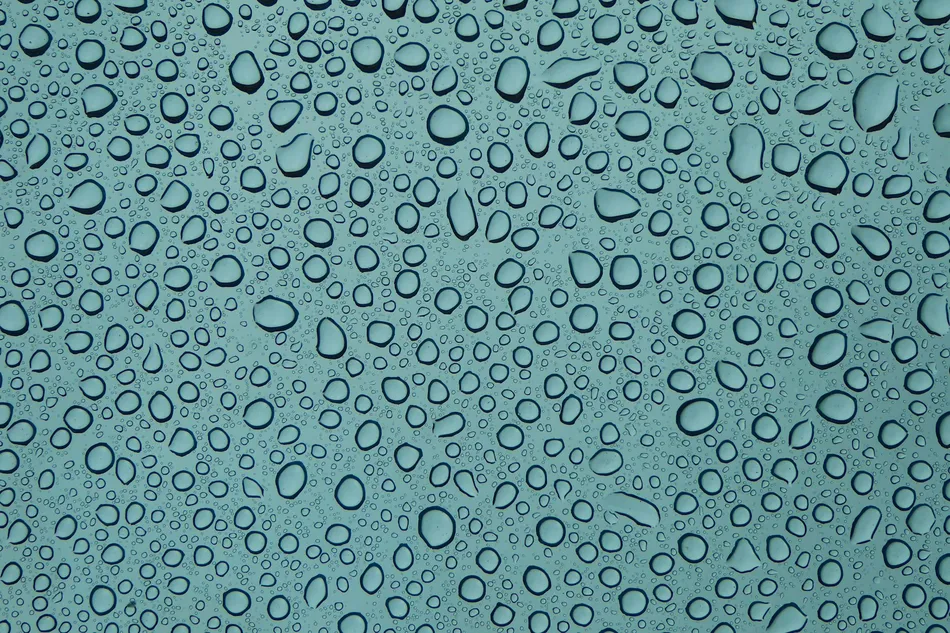
Dew point is the temperature at which the water vapour in the air starts to turn into liquid. Air at a given temperature and humidity holds a fixed amount of vapour. When a surface is colder than the dew point, the vapour condenses on it as tiny droplets.
On a ship, the surface is steel. Steel is dense and heats and cools slowly, so it often stays colder than the air around it. That is why dew point in marine painting matters even on a day that feels warm and dry.
Paint applied over a damp surface cannot bond properly. The film traps moisture, and the problems show up later as blisters, rust spots and loss of adhesion. Our guide to marine paint peeling, blistering and rust shows how these failures look on a real hull.
Why Condensation Under Paint Causes Failures
Condensation under paint is hard to spot because the film dries on top and hides the problem below. The damage usually follows the same path:
- Poor adhesion. Water on the steel stops the primer from wetting the surface.
- Flash rust. Freshly blasted steel starts to rust quickly in humid air and under moisture.
- Surface defects. Some epoxy systems can show a greasy or hazy layer, called blushing, when they cure in cool, damp conditions.
- Blisters. Moisture and salts under the film draw in more water and push the coating up.
Good control of dew point in marine painting avoids all four. Checking the weather before each coat costs far less. For the prepared-surface side of the same issue, read our guide to marine paint surface preparation.
Rule 1: Measure Three Things, Not One
A weather forecast is not enough for dew point in marine painting. You need three readings taken at the place of work:
- Air temperature near the surface.
- Relative humidity of the air in the same place.
- Steel temperature on the surface to be painted.
Use a digital hygrometer or a sling psychrometer for the air, and a magnetic or contact thermometer for the steel. Many digital gauges calculate the dew point for you. Keep the instruments calibrated, and write down the date of the last check.
Rule 2: Keep Steel at Least 3 °C Above the Dew Point
This is the dew point in marine painting rule that most coating data sheets use. The steel temperature must be at least 3 °C above the dew point during application and curing. Always read the data sheet of your product, because some systems ask for more.
Relative humidity alone can mislead you. The same 80% humidity gives a very different dew point at 20 °C than at 32 °C. The table below shows approximate values worked out with a standard formula.
| Air temperature | Relative humidity | Approx. dew point | Steel must be at least |
|---|---|---|---|
| 25 °C | 60% | 17 °C | 20 °C |
| 30 °C | 70% | 24 °C | 27 °C |
| 32 °C | 80% | 28 °C | 31 °C |
| 35 °C | 75% | 30 °C | 33 °C |
In the last row the air is 35 °C, yet a hull that is only 31 °C is already too cold to paint. That is the main lesson for dew point in marine painting: a hot day does not make the steel safe.
Most data sheets also set a maximum relative humidity, commonly around 85%. Check both limits. For general background on the physics, see this overview of the dew point.
Rule 3: Measure the Steel Where You Paint
Steel temperature is not the same everywhere, so dew point in marine painting checks must reflect that. The side facing the sun can be much warmer than the shaded side. Plates near cold ballast water or an open tank can be colder than the air for hours.
- Measure at several points on each area, including shaded zones.
- Check the coldest spot, because that is where condensation starts first.
- Check again before every coat, not only before the first one.
Steel also lags behind the air. After a cool night, the hull may still be colder than the morning air even when the air feels pleasant. Early morning dew point in marine painting readings are often the most dangerous.
Application conditions
Painting a hull in humid weather?
Our team can help you choose a Bajak marine paint system that suits your yard conditions and schedule.
Rule 4: Log Readings Before, During and After
A written log of dew point in marine painting readings protects both the yard and the owner. It shows that the conditions met the data sheet limits when each coat went on. It also helps if a warranty question comes up later.
- Air temperature, relative humidity and calculated dew point
- Steel temperature at the measured points and the margin above the dew point
- Time, date, location on the vessel and the coat applied
- Name of the inspector and the instrument used
Take readings at the start, at regular intervals during the shift, and again before the film is left to cure overnight. Add the log to the dry dock record described in our dry dock coatings checklist.
Rule 5: Plan the Work Around the Daily Cycle
In humid coastal weather, dew point in marine painting limits the best window to a few hours. It usually opens a few hours after sunrise, when the steel has warmed above the dew point, and closes in the afternoon, when the steel starts to cool again.
- Blast and prime in the same shift where possible, so flash rust has little time to form.
- Start application after the steel has passed the 3 °C margin, not at the start of the shift.
- Stop early enough that the film can set before the evening cool-down.
- Keep a plan for cancelling, because a skipped hour is cheaper than a rejected coat.
This timing is part of the full coating plan. See how to paint a ship hull for the order of coats and the overcoat intervals that depend on it.
Rule 6: Control the Air When the Weather Will Not Help
In ports on the Persian Gulf coast, such as Bandar Abbas and Bushehr, warm and humid air is common in summer. Sea air also carries salt. When natural conditions often fall outside the limits, active control of dew point in marine painting conditions is worth the cost.
Dehumidification and Heating
A dehumidifier dries the air inside an enclosed area, such as a tank, a hold or a tented hull section. Heating the steel gently can also raise it above the dew point. Both options need an enclosed space and good ventilation, so solvent vapour does not build up.
Containment and Shelter
Screens or tents reduce wind and sea spray. They do not remove humidity, so keep measuring inside the enclosure.
Reschedule When the Margin Is Missing
If the steel is not 3 °C above the dew point and you cannot fix it, wait. Rework after a failed coat costs more than a short delay. Agree this stop-work rule in writing with the yard before docking.
Dew Point in Marine Painting: Quick Field Checklist
Use this short dew point in marine painting list on deck or in the dock before the paint tins are opened.
- Read air temperature, relative humidity and steel temperature at the work area.
- Work out the dew point from the readings.
- Confirm that the steel is at least 3 °C above the dew point.
- Confirm that humidity is within the data sheet limit.
- Write all readings in the log.
- Start only when every item is a yes, and repeat the checks during the shift.
With the right conditions confirmed, choose a coating that suits the job. For steel below the waterline and in tanks, a two-pack epoxy such as the Bajak Epoxy Polyamide Coating is a common anticorrosive choice, but always follow its data sheet for temperature and humidity limits.
Get the Right Epoxy and Support for Your Next Coating Job
Good dew point in marine painting control and the right paint work together. Browse the Bajak Epoxy Polyamide Coating for steel protection, see the full epoxy paint range, or contact the Stock Sanat team with your vessel details and docking dates to request a quote.
What is dew point in marine painting?
Dew point in marine painting is the temperature at which moisture condenses on a surface. If the steel is colder than this temperature, water forms on it and the paint cannot bond. Painters calculate it from air temperature and relative humidity before every coat.
How far above the dew point must steel be before painting?
Most coating data sheets require the steel temperature to be at least 3 °C above the dew point. Some products ask for a larger margin. Check the technical data sheet of the exact product and follow the stricter limit if the data sheet and the specification differ.
What humidity is too high for marine paint?
Many marine paint data sheets set a maximum relative humidity of about 85%. That limit alone is not enough, because the steel temperature must also stay above the dew point. Always check both the humidity and the dew point margin against the data sheet.
How do you measure steel temperature before painting?
Use a magnetic or contact surface thermometer placed directly on the steel, in sun and in shade. Take several readings, including the coldest area. Repeat them during the shift, because steel temperature changes slowly and can lag behind the air temperature.
What happens if you paint steel that is below the dew point?
Moisture on the steel stops the paint from wetting the surface. This can cause poor adhesion, flash rust, hazy film and later blistering. The coating may look fine at first, but it often fails early and has to be blasted and recoated.
Can dehumidifiers solve humidity problems in hot ports?
In an enclosed area such as a tank or tented section, dehumidifiers and gentle heating can bring the steel above the dew point. They work only in a closed space with good ventilation. Keep checking dew point in marine painting readings for air and steel inside the enclosure.
Recent Posts