
Stock Sanat Specialized Magazine

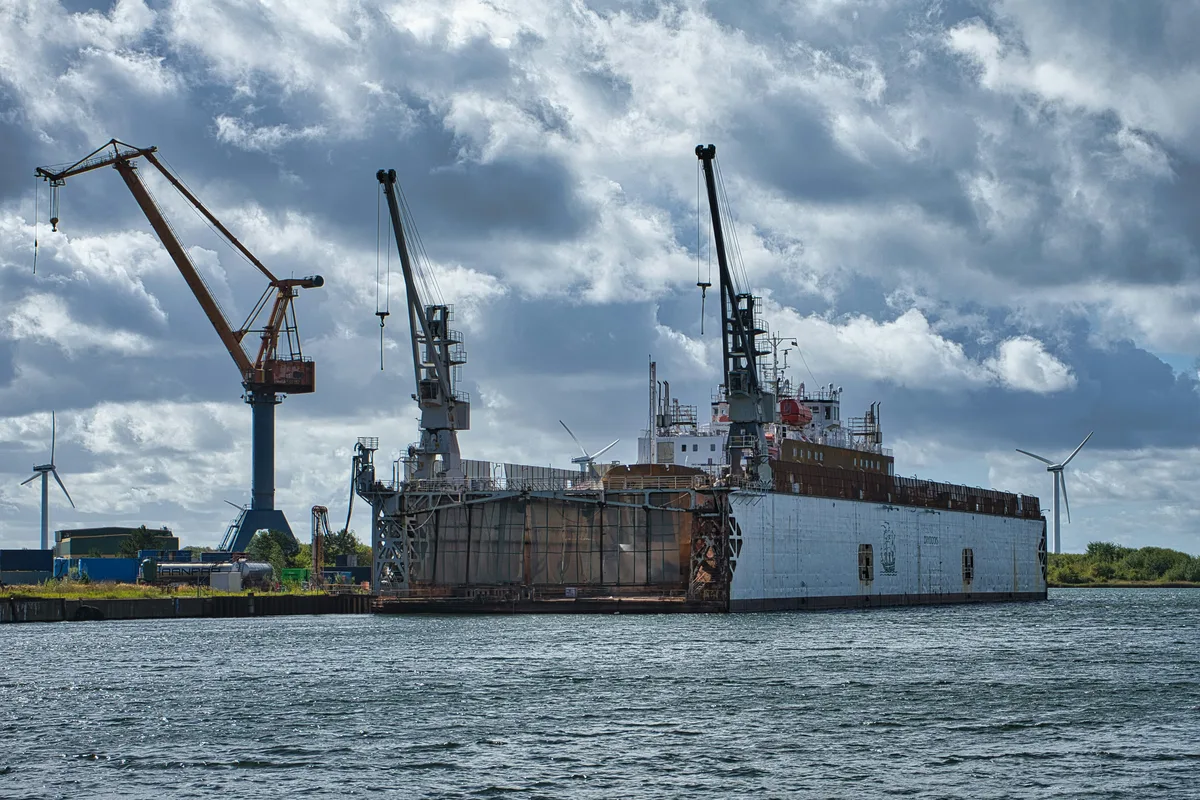
A pitted hull looks like a small problem. It is not. Pits trap salt and moisture, and paint laid over them often fails early.
This guide explains how to deal with ship hull pitting corrosion before repainting. It covers cleaning, salt removal, epoxy filling and the point where the steel must be cut out. It is written for shipowners, superintendents and dry-dock contractors.
Table of Contents
What Is Ship Hull Pitting Corrosion?
In simple terms, ship hull pitting corrosion is a local attack on the plate. Instead of thinning the whole plate evenly, it digs small, deep holes into the steel. Each hole can keep growing under a thin layer of rust or old paint.
Ship hull pitting corrosion usually starts where the coating is damaged: a scrape, a weld, a failed edge or a blister. Seawater reaches bare steel, and a small spot begins to corrode faster than the area around it. If you want the general background, see the overview of pitting corrosion.
For paint, ship hull pitting corrosion is a special problem. They are hard to clean, they hold soluble salts, and a normal coat bridges them instead of filling them.
Why Pitted Steel Plate Fails Under New Paint
Steel plate pitting causes three separate failures. A good ship hull pitting corrosion repair must address all of them.
- Trapped salt. Salts left inside a pit draw moisture through the new coat. This leads to blisters and rust spots.
- Thin film at the edges. Paint pulls away from sharp pit rims and leaves a thin film exactly where rust restarts.
- Air pockets. A coat sprayed over a deep pit can trap air, which then pops and leaves a pinhole.
That is why ship hull pitting corrosion cannot be fixed by painting over it. The pit must be cleaned, tested and usually filled first. Our guide on marine paint peeling, blistering and rust shows what happens when this step is skipped.
Fill the Pit or Replace the Plate? How to Decide
With ship hull pitting corrosion, this is the first decision at the dock. Do not make it by eye alone.
The question is not only how many pits there are. It is how much sound steel remains. A surveyor or the class society measures the plate thickness and decides if the hull plating still meets the rules. Local, scattered pits in thick plate are usually filled. Deep or connected pits in thin plate may need renewal.
| Condition found | Usual repair route |
|---|---|
| Shallow, scattered pits; plate thickness still within limits | Clean, test for salts, fill with epoxy filler, then coat |
| Deeper pits in a small area; thickness still acceptable | Blast, fill and stripe coat; record and monitor |
| Pits linked together or very close to the minimum thickness | Cut out the section and weld in new plate |
| Holes through the plate or leaks | Steel renewal by a qualified yard; not a coating job |
A filler adds no strength. It only gives the paint a smooth surface. Never use it to hide plate that is too thin. The final call on structure belongs to the surveyor, not to the paint supplier.
Deep Cleaning: Removing Rust and Salt From Pits
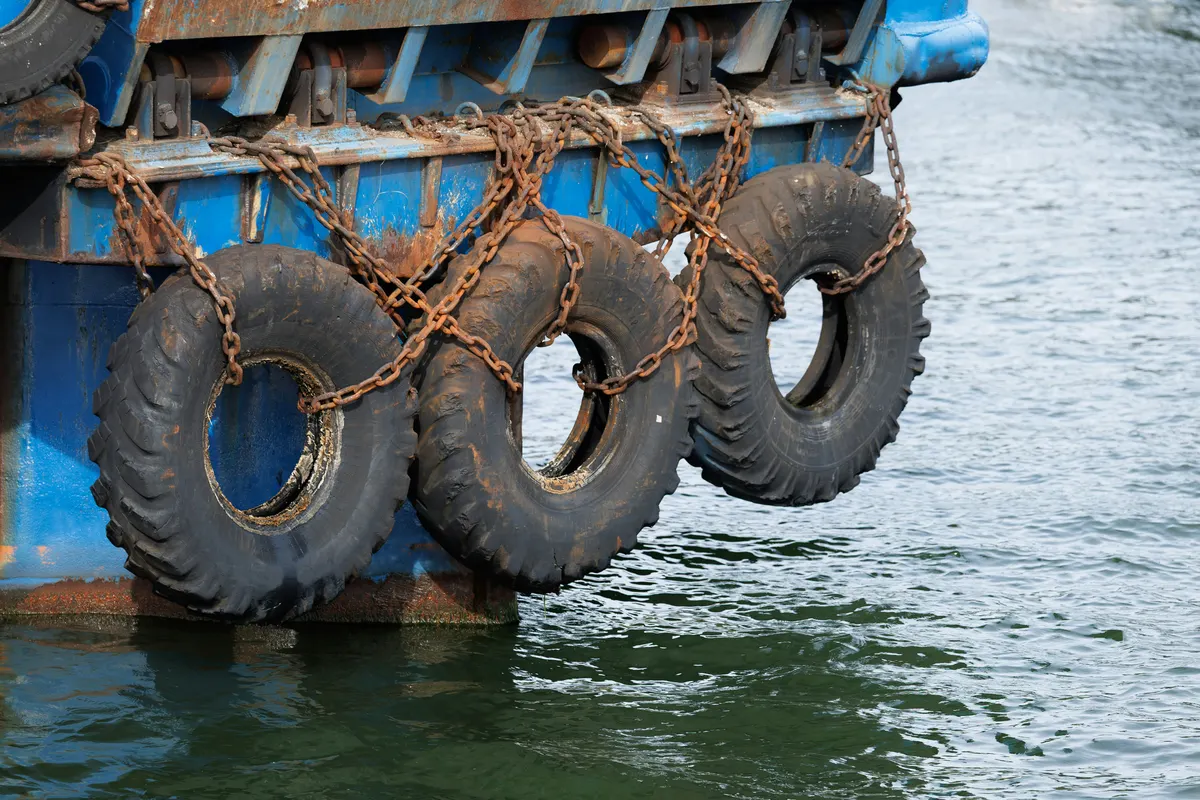
In ship hull pitting corrosion repair, cleaning decides whether the filler will stick. A pit that looks clean can still be full of salt.
Abrasive blasting and power tools
Open blasting reaches into pits better than wire brushes. Use a blasting angle that works into the hole, not just across it. Where blasting is not possible, needle guns or rotary tools clean deep pits less well. Our article on marine paint surface preparation explains blast grades and the profile the coating needs.
Soluble salt removal
Salt is the hidden enemy in ship hull pitting corrosion. It stays in the pit after blasting and creates new blisters later.
- Wash the blasted area with clean fresh water under high pressure.
- Let it dry, then test the surface for soluble salts with a standard test method.
- Repeat washing and testing until the result is within the limit set in the paint data sheet.
- Re-blast any spot that flash-rusts before coating.
The limit depends on the product and the service. Always read it from the technical data sheet of the system you plan to use. Do not guess a number.
Check the dew point
Wet pits flash-rust fast. Keep the steel temperature above the dew point before you fill or coat. Our guide on dew point in marine painting gives the rules.
Epoxy Filler for Pitted Steel: How Pit Filling Works
After cleaning, ship hull pitting corrosion repair moves to pit filling before painting, which levels the surface. The filler is usually a two-component epoxy putty or a high-build epoxy. It must be compatible with the primer and the full coating system.
An epoxy filler for pitted steel does three jobs. It fills the pit so the film is even. It removes sharp edges that thin the coat. And it seals out water so the pit cannot restart.
Choose the right product
- Check that the filler is made for steel and for the exposure of the area, as with any ship hull pitting corrosion repair product.
- Confirm it can be overcoated by the primer or epoxy in your system.
- Where full blasting is not possible, a surface-tolerant epoxy mastic coating can be a practical option.
Apply it correctly
Mix the two components exactly as the data sheet says. Press the filler into the pit with a spatula or putty knife so no air stays below it. Then level it with the plate. Let it cure as the data sheet requires before you sand and coat.
If you are comparing products, browse our epoxy paints and primers. We do not publish cure times here. Use the values in the data sheet for your product and temperature.
Hull repair coatings
Repainting a pitted hull? Start with the right epoxy.
Stock Sanat Caspian supplies Bajak epoxy coatings for pit filling and hull steel protection. Send us the plate condition and we will recommend a system.
Step-by-Step Repair Sequence Before Repainting
This is a clear order of work for ship hull pitting corrosion on a docked vessel. Adjust it to the class rules and the paint data sheet.
- Mark and record. Map the pitted areas and photograph them for the file.
- Get a thickness check. Measure the plate and agree which areas can be filled and which need renewal.
- Blast the steel. Remove rust, old paint and scale down to bright steel.
- Wash and test for salts. Repeat until the result meets the data sheet limit.
- Prime the bare steel. Use the primer from your coating system on the cleaned pits.
- Fill the pits. Apply epoxy filler, level it and let it cure.
- Stripe coat and full system. Brush a stripe coat on pit rims and welds, then apply the full coating system.
Always follow the maximum and minimum recoat windows of the products you use. Our dry dock coatings checklist puts this sequence into a full docking plan.
When Steel Plate Pitting Needs Cutting and Welding
Some damage cannot be coated. If steel plate pitting has eaten the plate to its limit, the repair is structural.
- Cut out the affected plate section back to sound steel.
- Weld in new plate according to the class-approved procedure.
- Grind the weld flush, then blast the area and a margin around it.
- Coat the repair as new construction, with the full system and a stripe coat on the welds.
Steelwork must be done by qualified welders under survey. Paint starts only after the repair is accepted. A coating contractor should never be asked to close a thin plate with filler.
Coating Over Repaired Pits
Once the ship hull pitting corrosion repair is cured, the area joins the main painting job. Apply the primer, intermediate coats and topcoat in the order of the system. For immersed areas, the antifouling comes last.
After ship hull pitting corrosion repair, keep the film thickness even over filled pits. The check is simple: if the area was patched, a stripe coat and a second look at the thickness measurement are cheap insurance. To plan how long the coating should last, read how often a ship hull should be repainted.
Common Mistakes in Ship Hull Pitting Corrosion Repair
- Painting over ship hull pitting corrosion without cleaning or salt testing.
- Using a filler that does not match the primer or topcoat.
- Filling pits to hide plate that is too thin.
- Skipping the stripe coat on pit rims and welds.
- Coating while the steel is below the dew point.
- Ignoring recoat windows between filler and paint.
Get the Right Coating System for Ship Hull Pitting Corrosion Repair
Stock Sanat Caspian is the exclusive Bajak representative since 2020. For ship hull pitting corrosion repair, tell us your hull area, steel condition and docking date. We will suggest a suitable primer, epoxy and topcoat system and send the technical data sheets with your quote.
- Contact us to request a quote for pitted hull repair coatings
- Browse epoxy paints for steel hulls
- Browse marine primers for bare steel
Frequently Asked Questions
What is ship hull pitting corrosion?
Ship hull pitting corrosion is local attack that forms small, deep holes in the steel plate instead of thinning it evenly. It often starts under damaged paint, and each pit can grow below rust. Pits are hard to clean and can trap salt, so they need special repair before repainting.
Can I paint over pitted steel without filling the pits?
You can, but with ship hull pitting corrosion it is risky. Paint bridges deep pits and leaves air and salt inside, which cause blisters and early rust. Clean the pits, test for soluble salts and fill them where needed. Only the paint data sheet and the surveyor can confirm what is acceptable for your hull.
What filler is used for pit filling before painting?
Pit filling before painting normally uses a two-component epoxy putty or filler made for steel. It must be compatible with the primer and topcoat in the system. Check the data sheet for mixing, curing and recoat times, and use the same paint maker where possible.
When should a pitted steel plate be replaced instead of filled?
Replace the plate when pits are deep, linked or close to the minimum allowed thickness, or when they go through the steel. Filler adds no strength. A surveyor or the class society measures the plate and decides if it needs to be cut out and welded.
Why must salts be removed from pits before coating?
In ship hull pitting corrosion, soluble salts stay inside pits after blasting. Under the new coat they draw in moisture and cause blisters and rust. Wash with fresh water, test the surface, and repeat until the salt level meets the limit in the paint data sheet for your system.
Does epoxy mastic work on pitted hull steel?
For ship hull pitting corrosion, a surface-tolerant epoxy mastic is useful where full blasting is difficult, such as spot repairs. It tolerates imperfect surfaces better than standard epoxy, but it does not replace plate repair. Follow the data sheet for the surface preparation it requires.
Recent Posts