
Stock Sanat Specialized Magazine

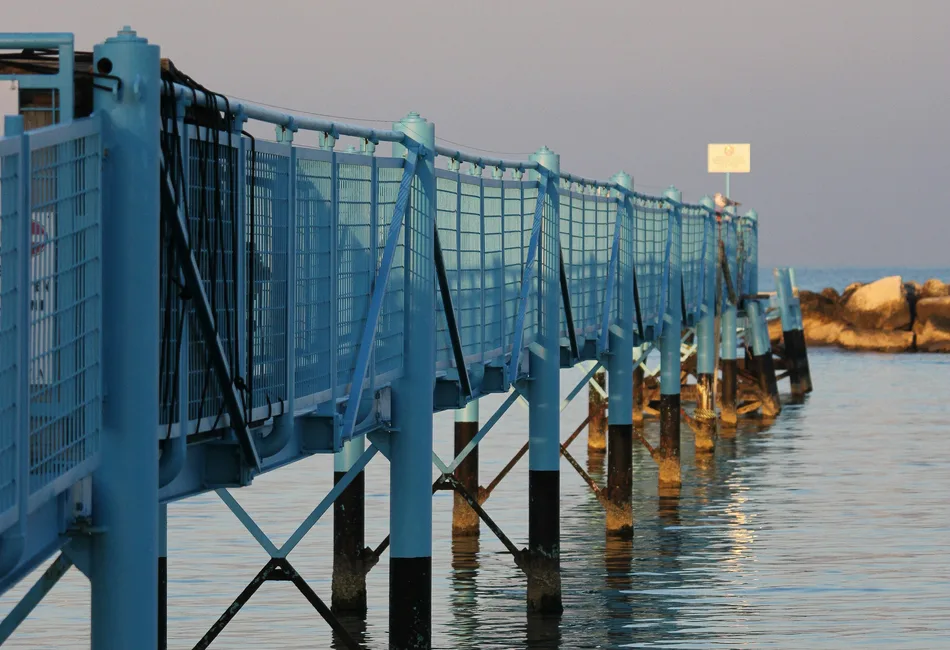
A steel pier, jetty leg or vessel hull in the Gulf lives in salt air, spray and sun. The coating you pick for it decides how often you will be back with a blasting crew. Two names come up again and again: sprayed aluminium and zinc-rich paint.
This guide compares thermal spray aluminium vs zinc-rich primer in plain terms. It is written for shipowners, port contractors and buyers who must choose a protective system for steel in the splash zone or in a salty atmosphere.
Table of Contents
Thermal Spray Aluminium vs Zinc-Rich Primer: The Short Answer
Thermal spray aluminium vs zinc-rich primer is not a contest with one winner. They are two different tools. One is a metal coating melted onto the steel. The other is a paint loaded with zinc dust.
- Thermal spray aluminium (TSA) suits steel that is wetted and dried again and again, such as the splash zone, when the owner can pay for heavy preparation and equipment.
- Zinc-rich epoxy primer suits steel in a salty atmosphere, shipyard repairs and on-site work, where a brush or spray gun is the practical tool.
- A duplex system adds paint layers over the metal or the primer to extend the life of the whole system.
What Is Thermal Spray Aluminium (TSA)?
Thermal spray aluminium, also called thermally sprayed aluminium or metallizing, is a coating made of metal, not paint. Aluminium wire or powder is melted in a spray gun. A gas jet throws the molten droplets onto the steel, where they freeze into a layer.
The usual methods are arc spray and flame spray. The process and materials are covered by ISO 2063, which deals with thermal spraying of zinc, aluminium and their alloys for the protection of iron and steel against corrosion.
Because the layer is metal, it does not dry, cure or thin out like paint. It bonds to a blasted surface. That is why the steel must be blasted to a very clean grade first. A Hempel guide to thermally sprayed metal states that the substrate must be grit blasted to Sa 3 with an angular profile.
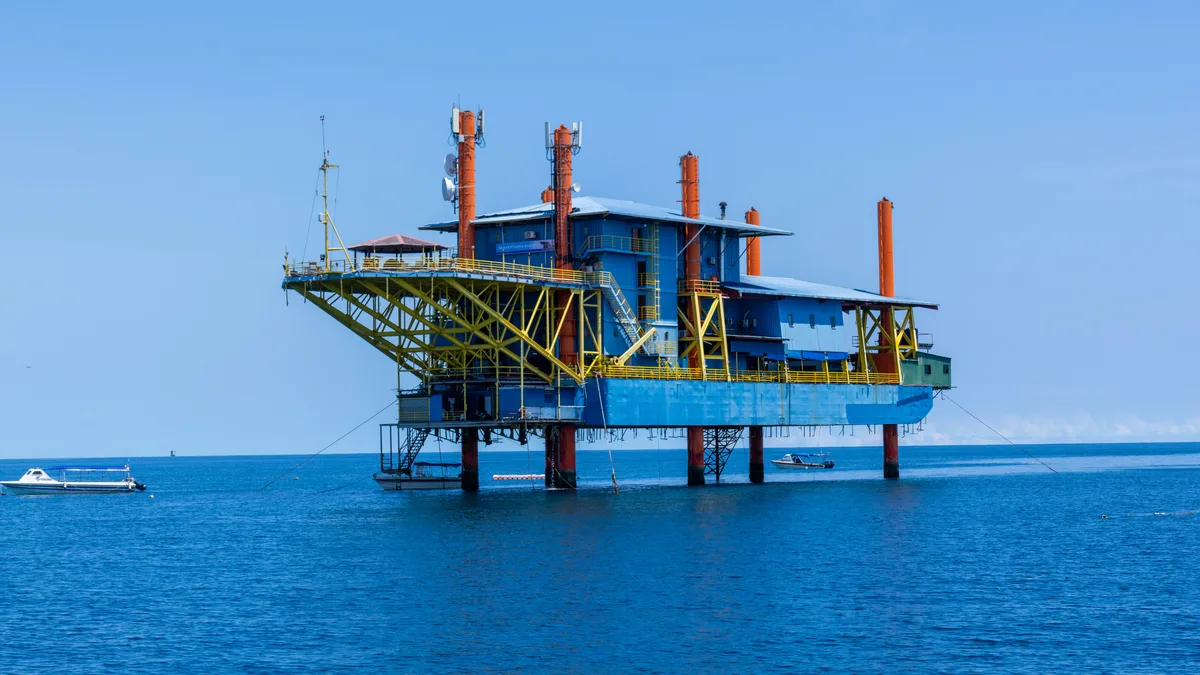
A sprayed aluminium layer also has tiny pores. Left open, they can trap salts and moisture. The same Hempel guide explains that a thin sealer is used to fill the pores, so the metal can protect the steel by galvanic action. This is the “sealed TSA” you will see in specifications. It is one more step to price when you weigh thermal spray aluminium vs zinc-rich primer.
What Is a Zinc-Rich Epoxy Primer?
A zinc-rich epoxy primer is a paint. It is a two-component epoxy with a high load of zinc dust. After it cures, the zinc particles touch each other and the steel. When the steel is scratched, the zinc corrodes first and protects the exposed area.
This is the job of the first coat in a marine system. It is applied by brush, roller or spray, on steel blasted to the grade stated on the data sheet. Our guide to zinc-rich primer for marine steel explains where it goes in the coat sequence.
A typical product in this class is the Bajak 65% Zinc Rich Epoxy Primer. In the thermal spray aluminium vs zinc-rich primer debate, it sits on the paint side: it is not a sprayed metal, and it is meant to be overcoated with an epoxy and a topcoat.
Thermal Spray Aluminium vs Zinc-Rich Primer: Side-by-Side Comparison
The table below sets thermal spray aluminium vs zinc-rich primer against four practical points. It gives no film thickness or life figures, because those depend on the specification and the data sheet.
| Point | Thermal spray aluminium (TSA) | Zinc-rich epoxy primer |
|---|---|---|
| Surface prep | Blasting to Sa 3 with an angular profile; very clean steel is essential | Blasting to the grade on the data sheet; usually less demanding than for TSA |
| Application | Spray equipment, power, compressed air and trained operators; hard in the open wind | Brush, roller or airless spray; easy to carry to site |
| Maintenance / repair | Damaged areas need local blasting and re-spray, then the sealer again | Touch-up by brush or spray after cleaning; follow overcoating rules |
| Best use | Splash zone and areas hard to reach later for maintenance | Atmospheric zones, hull and deck steel, and repair work |
In short, thermal spray aluminium vs zinc-rich primer is a trade between up-front effort and paint upkeep. TSA asks more from the job at the start. Zinc-rich epoxy asks less, but it needs paint layers above it and repainting over the years.
Zinc-rich epoxy system
Need the paint system under your topcoat?
Tell us your steel, exposure zone and standard. We will suggest a Bajak zinc-rich epoxy, epoxy and polyurethane system and send the data sheets with your quotation.
Surface Preparation for Thermal Spray Aluminium vs Zinc-Rich Primer
Preparation is where most of the cost and risk sit. Both systems need clean, dry, blasted steel, free of salt and oil. For the basics, read our guide to marine paint surface preparation.
TSA is applied to steel blasted to Sa 3, and it must be coated soon after blasting, before the steel flash rusts. The rig needs power, compressed air and shelter from wind. Zinc-rich epoxy is mixed from two components and applied with ordinary paint tools. Zinc settles fast in the can, so keep stirring during use.
Splash Zone and Atmospheric Zone: Where Each System Fits
Where the steel sits matters more than any brand. The splash zone is wetted by waves, then dried by sun and wind, over and over. Coatings there face abrasion, salt build-up and constant wet-dry cycles. The atmospheric zone sees salt air and rain but not waves.
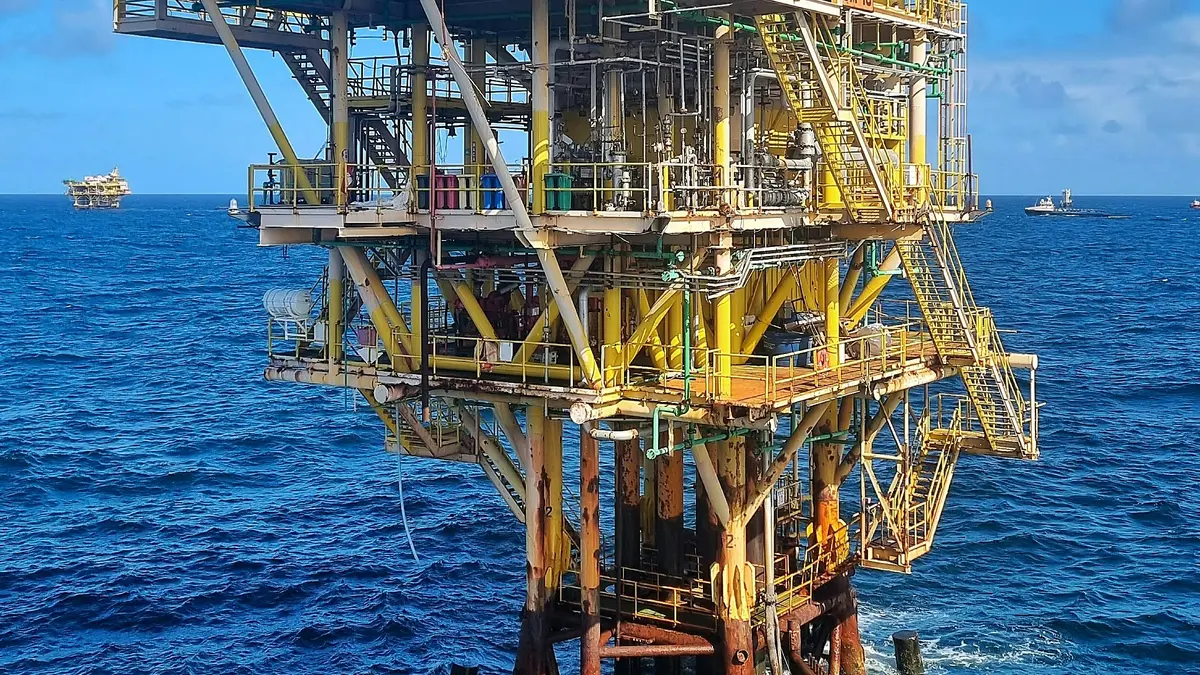
Technical guides often list thermal spray aluminium for the splash zone of offshore steel, because a metal coating handles abrasion and wet-dry cycling well. Zinc-rich epoxy under an epoxy and polyurethane topcoat is the common choice for hulls, decks and structures in the atmospheric zone.
The thermal spray aluminium vs zinc-rich primer question changes again for steel that stays under water. For that, look at the marine coating system and ask the paint maker for the approved system.
Why TSA Needs a Sealer Coat
A sprayed metal layer is porous. Sealing fills those pores with a thin, low-solids paint. The Hempel guide says the sealer soaks into the metal layer with no measurable build and lets the metal protect the steel by galvanic action.
For aluminium in marine service, the same guide notes that NORSOK M-501 recommends sealing only for the harshest zones. It also says that full paint systems over sprayed aluminium have broken down early in some offshore cases. Check the current edition of the standard and the maker advice before you decide on thermal spray aluminium vs zinc-rich primer.
When Zinc-Rich Epoxy Primer Is the Better Choice
In the thermal spray aluminium vs zinc-rich primer choice, pick the paint route when the job favours easy access and lower set-up cost. In practice, that means these cases:
- Repairs and dry-dock work where a metallizing crew is not available.
- Steel in the atmospheric zone, such as decks, superstructure and storage tanks.
- Projects that already use a primer, epoxy and polyurethane coat sequence.
On these jobs, the zinc-rich layer is only the base. It needs an intermediate epoxy and a UV-stable topcoat. Our marine epoxy paint guide covers the middle layer, and the Bajak Polyurethane Topcoat is a typical finish coat.
When a Duplex System Beats Thermal Spray Aluminium vs Zinc-Rich Primer Alone
A duplex system ends the either-or of thermal spray aluminium vs zinc-rich primer. It means metal or zinc-rich primer plus paint on top. The paint protects the zinc or aluminium from the weather, and the metal protects the steel if the paint is damaged. Done well, the layers work together.
- Zinc-based duplex: zinc-rich epoxy primer, an epoxy intermediate coat and a polyurethane topcoat.
- Metallized duplex: thermal spray metal, a sealer and, where the maker and standard allow it, an epoxy and a topcoat.
The standards decide how many layers and how thick. ISO 12944 is the main reference for paint systems on steel. Our summary of marine paint standards shows what it requires. Never copy thickness figures from an article; take them from the specification and the data sheet.
How to Choose: 6 Questions Before You Decide
Use these questions to settle the thermal spray aluminium vs zinc-rich primer choice for your project.
- Is the steel in the splash zone, the atmospheric zone or under water?
- Can you blast to Sa 3 and coat before the steel rusts again?
- Is metallizing equipment, power and shelter available on site?
- Will the area be easy or hard to reach for repairs later?
- What does the owner specification or class society require?
- What does the paint maker approve for overcoating?
Weigh thermal spray aluminium vs zinc-rich primer against these answers. If most point to harsh wetting and hard access, TSA deserves a close look. If most point to site work, repairs and a normal paint cycle, a zinc-rich epoxy system is usually the practical path.
Common Mistakes in the Thermal Spray Aluminium vs Zinc-Rich Primer Decision
- Treating TSA and zinc-rich primer as the same kind of product.
- Skipping the sealer on sprayed metal.
- Using a zinc-rich primer without the intermediate and topcoat the system needs.
- Painting over sprayed aluminium without the maker approval.
Ask Us for the Paint System Under Your Topcoat
Stock Sanat Caspian is the exclusive Bajak representative since 2020. We do not sell thermal spray aluminium, so we cannot advise on that side of thermal spray aluminium vs zinc-rich primer. We supply the paint side: a zinc-rich epoxy primer, epoxy coats and a polyurethane topcoat. Send us your steel, the exposure zone and the standard you follow, and we will propose a suitable system with the data sheets.
We do not publish numeric data for every Bajak product. When you need film thickness or recoat times, we will confirm them from the data sheet before you order.
Frequently Asked Questions
Thermal spray aluminium vs zinc-rich primer: what is the difference?
In thermal spray aluminium vs zinc-rich primer, the first is a metal layer melted onto blasted steel by a spray gun, and it is normally sealed. The second is an epoxy paint filled with zinc dust and applied with ordinary paint tools. That is the core difference.
Thermal spray aluminium vs zinc-rich primer in the splash zone: which is better?
Technical guides often prefer TSA for the splash zone of offshore steel, because a sprayed metal layer handles abrasion and wet-dry cycles well. Zinc-rich epoxy under a full paint system is more common elsewhere. The final choice depends on the specification and site access.
Why does thermal spray aluminium need a sealer?
The sprayed aluminium layer is porous. A thin, low-solids sealer fills the pores, keeps salts and moisture out and lets the metal protect the steel by galvanic action. Without it, the coating can corrode early. Follow the maker advice for the sealer type.
What surface preparation does TSA need compared with zinc-rich primer?
TSA needs abrasive blasting to Sa 3 with an angular profile, and the steel must be coated soon after blasting. Zinc-rich epoxy is blasted to the grade on its data sheet, which is usually less demanding. Both need clean, dry steel free of salt and oil.
Can I use zinc-rich epoxy primer in permanent immersion?
Do not assume so. Zinc-rich epoxy is mainly used in atmospheric zones and under a full paint system, not as a stand-alone coating for steel that stays under water. For immersion, ask the paint maker for the approved system and check the data sheet.
What is a duplex system on steel?
A duplex system combines a metal or zinc-rich coat with paint layers on top. For example, zinc-rich epoxy primer, an epoxy intermediate and a polyurethane topcoat. The paint shields the zinc from weather, and the zinc protects the steel if the paint is damaged.
Recent Posts